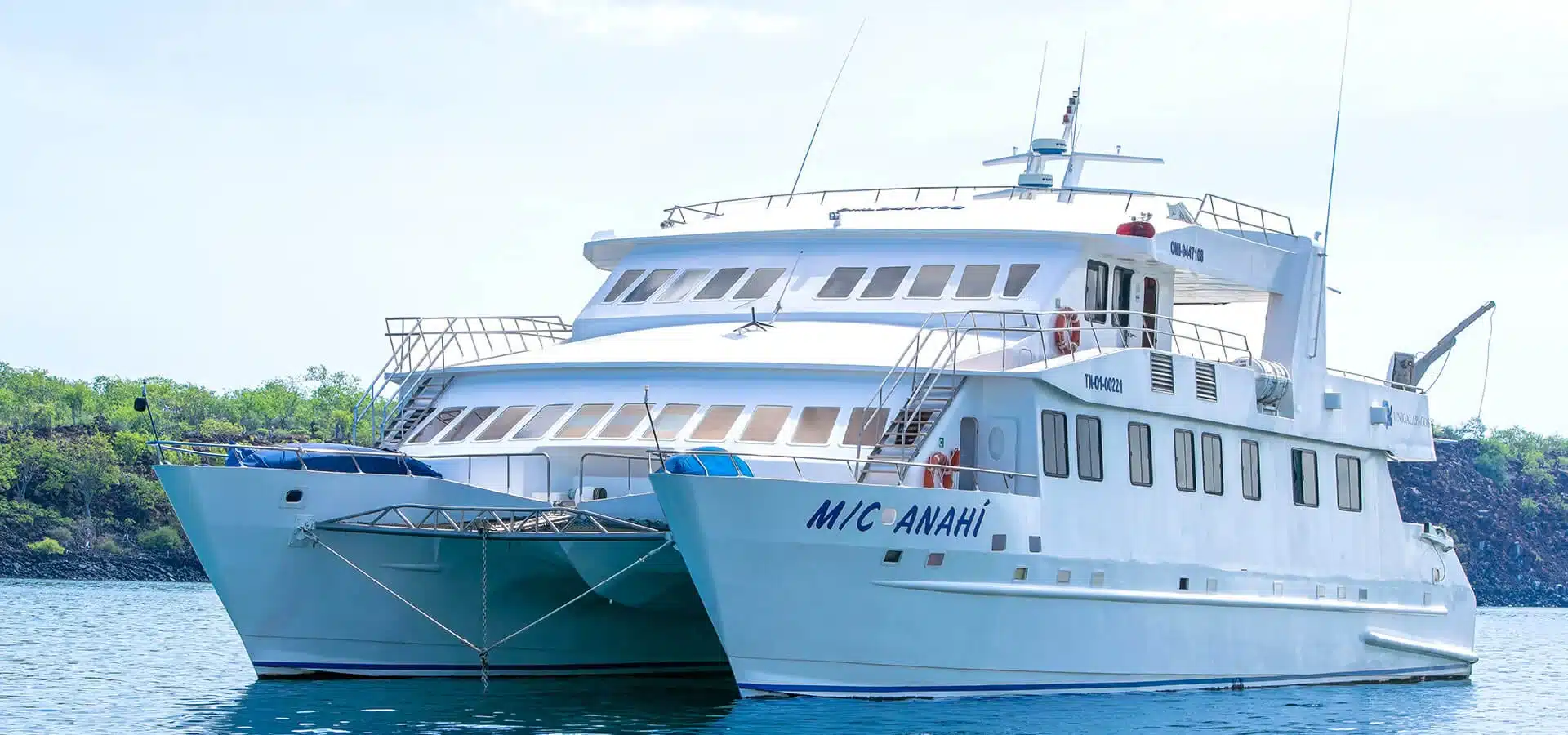
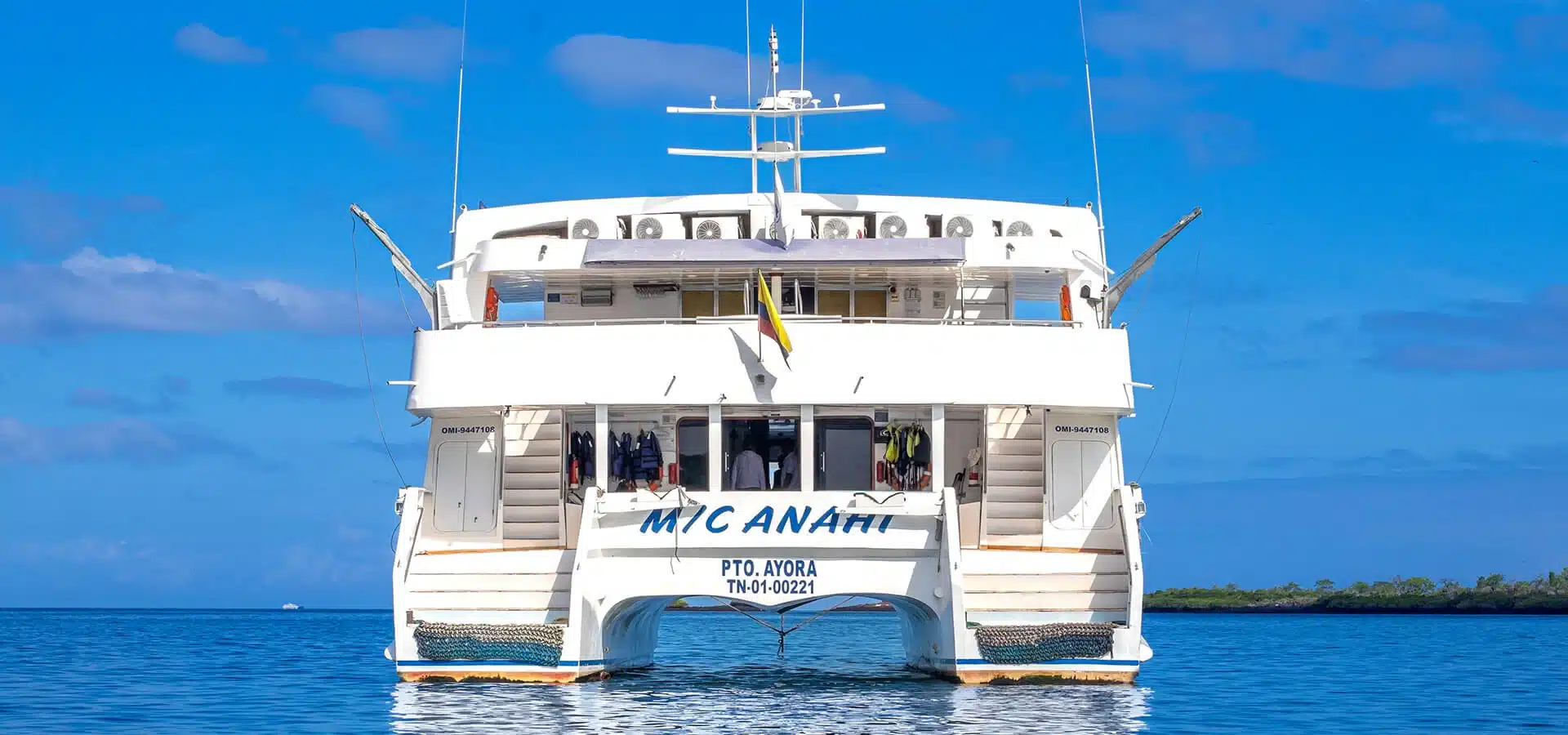
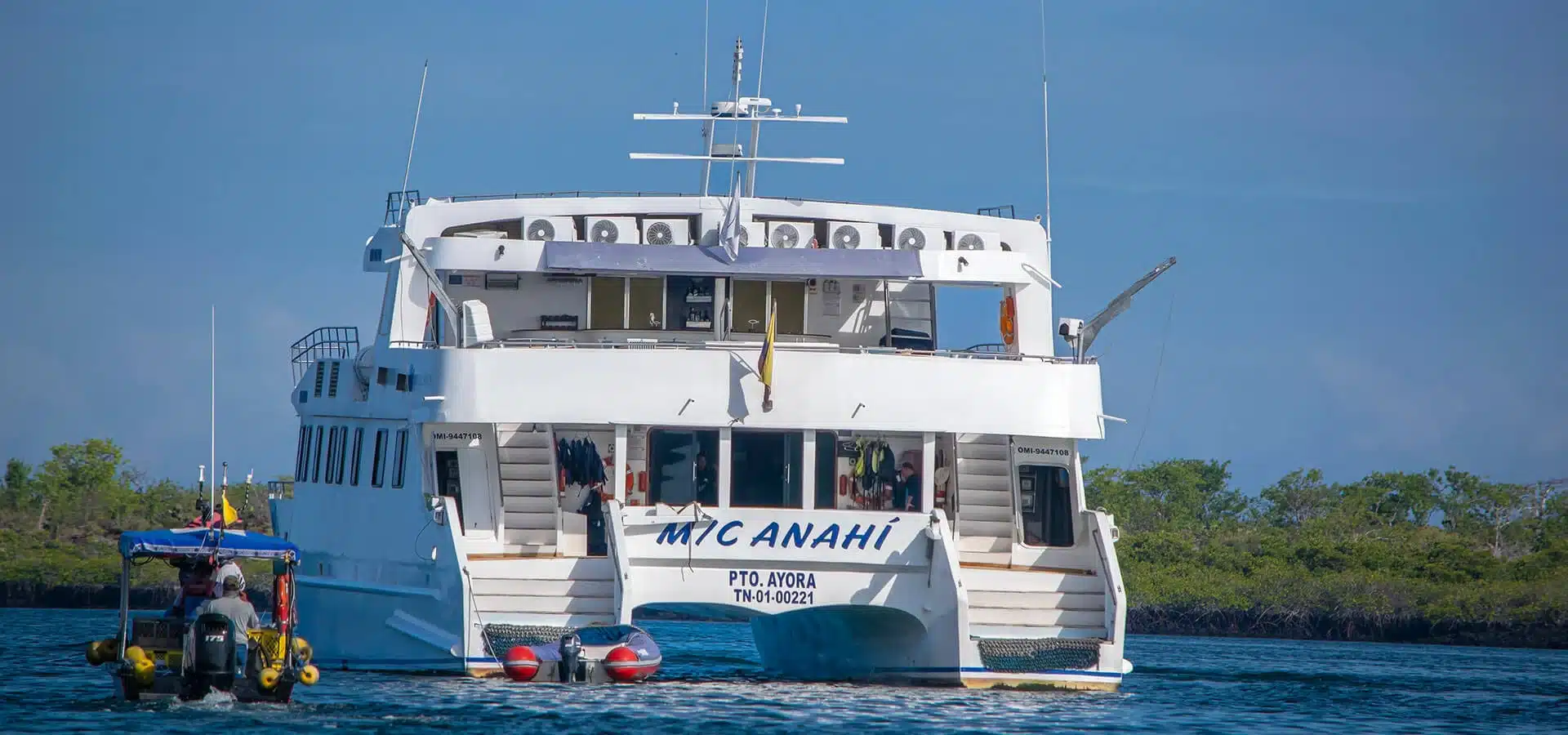
Galapagos Tourist Superior Catamaran Yacht, M/C Anahí
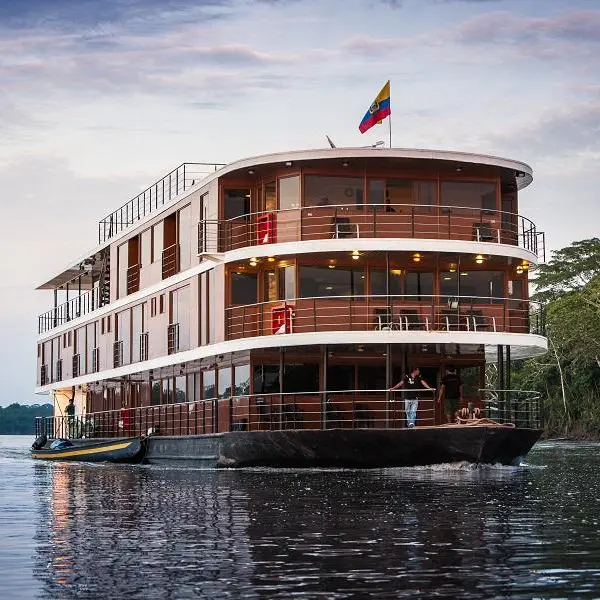
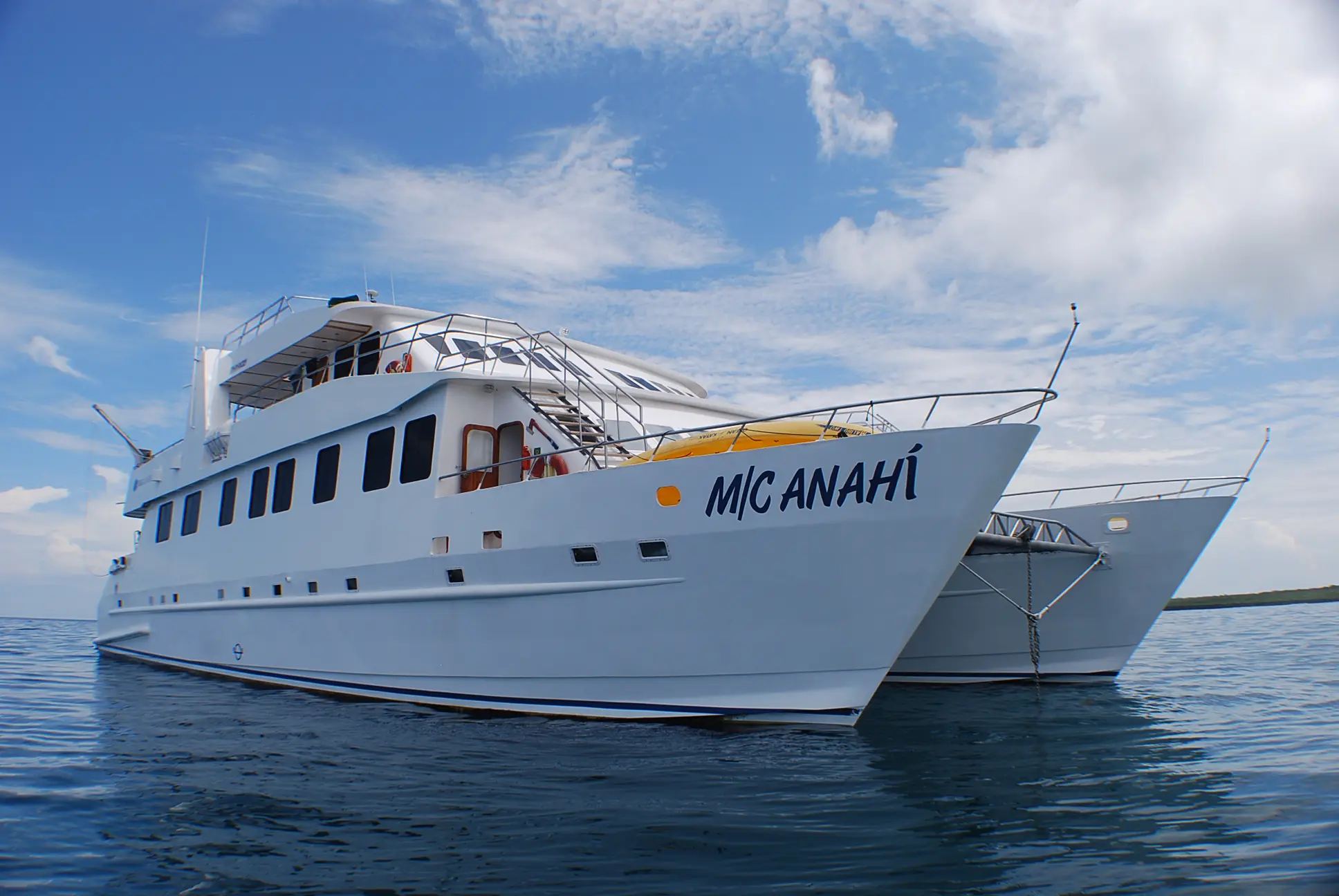
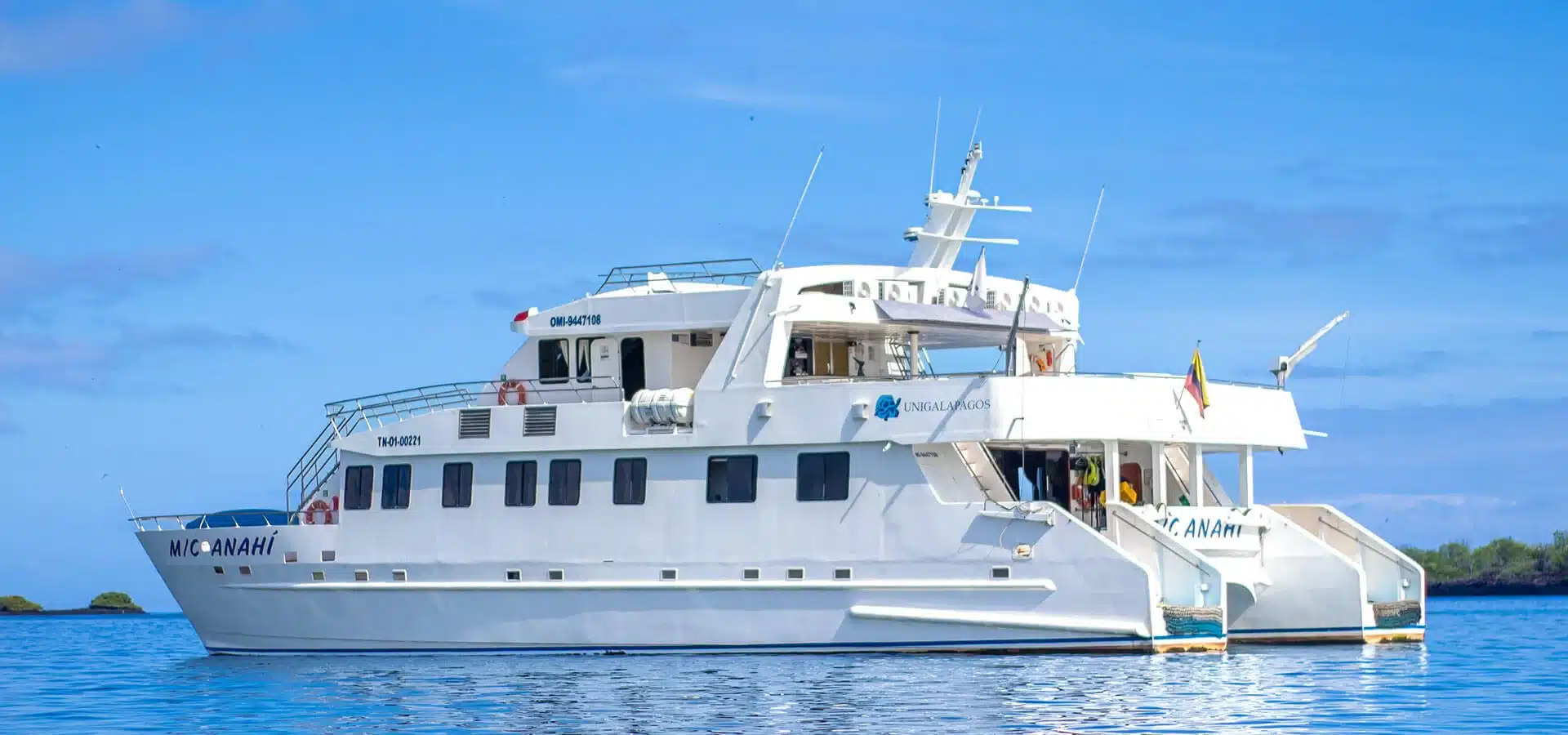
The Anahí Galapagos Tourist Superior Catamaran Yacht is the ideal boat to explore the Galapagos Islands. Sail and explore the iconic Galapagos Islands.
Traveling in the Galapagos Islands is much more than a cruise, it is an unforgettable experience with a small and intimate group you will discover the fascinating flora, fauna, history, and geography of the enchanted islands. Whether you choose to charter the Anahi Yacht Catamaran, reserve a private cabin, or reserve a shared cabin, we assure you an adventure full of exploration and discovery always accompanied by a personalized service aboard a first-class yacht.
With an exceptional navigation route, our travel itineraries take you through the most exotic destinations of the Galapagos Islands. During the guided tours you will be able to explore and discover these beautiful paradisiacal islands and after a day full of activities return on board where you can relax and enjoy comfortable and cozy spaces.
Itinerary
Itinerary 4D/3N (Tuesday to Friday)
Day 1: San Cristobal
A.M.
Flying from Quito or Guayaquil, our flight will arrive around noon (local time) to San Cristobal, where you will be greeted in the lobby by our guide, who will be waiting for your arrival to drive you to Yacht Anahí. Your baggage will be handled by one of our crew members who, aboard the small Zodiacs will transport you directly to the yacht. The captain and the crew will welcome you on board, and then you will have your cabins assigned. After lunch, our guide will give you a brief explanation of the afternoon activities.
P.M.
Interpretation Center of San Cristobal, located on the outskirts of the small town of Puerto Baquerizo Moreno, the capital city of the Galápagos province. The interpretation center will give us an introduction to the islands, and their natural and human history. Afterwards, we will walk to the place known as ‘Cerro Tijeretas’.
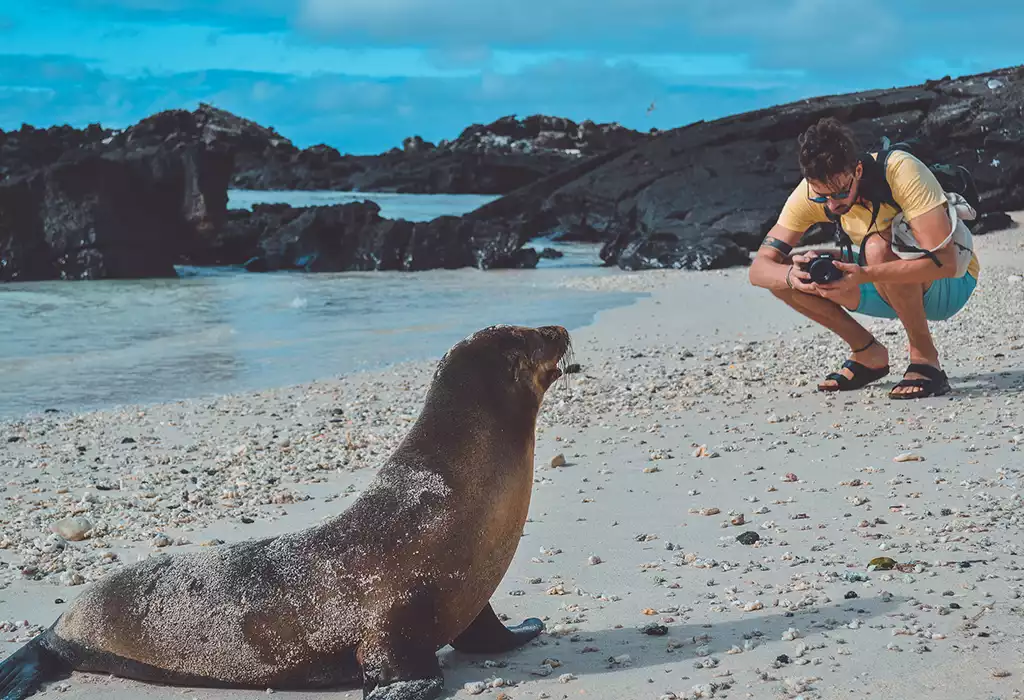
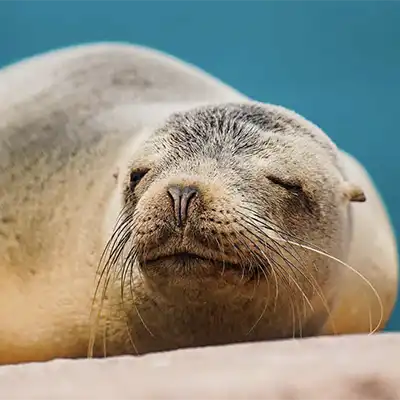
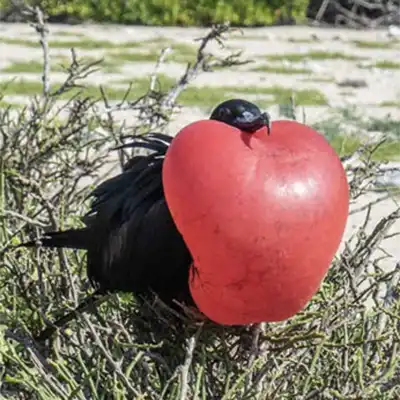
This short 30-minute walk starts from the interpretation center and takes you to the top of the hill. Once there, the visitors can enjoy a spectacular sight of the surrounding white beaches and the incredible geographical formations of the Pacific Ocean. The hill is often visited by Frigate birds that nest there in certain seasons of the year. From the hill we will descend into a small cove known as Punta Carola, where we will observe a colony of sea lions.
At night (if you want) you can go into the city for a walk and maybe have a drink at one of the local bars.
Lunch and dinner are included aboard.
Day 2: Española
A.M.
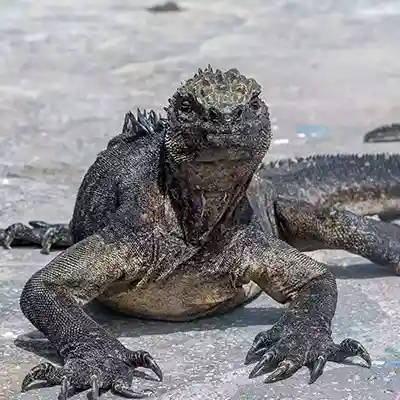
Punta Suárez: A destination of great interest due to the incredible abundance of birds and endemic species like the Española Mockingbird, which has a distinctively longer and more curved beak than variations found on other islands; the Galápagos lava lizard; the marine iguana of the venustissimus subspecies; and more. We can also observe seagulls and other tropical birds that live on the rocky slopes. Among the more interesting attractions of the island is the waved albatross, as the entire world population of this species comes to breed here between March and December. Punta Suarez is one of the most sought after land visits of the Galapagos, where hundreds of nazca boobies, colonies of sea lions, large colonies of marine iguanas live in the area, and different species of birds can be seen doing their mating dances.
P.M.
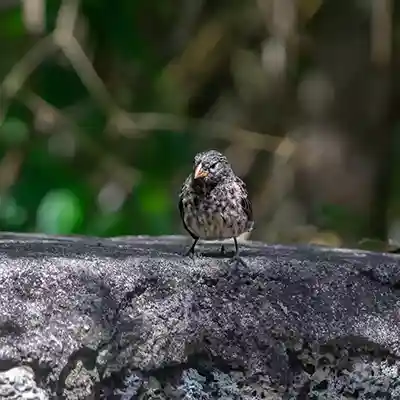
Bahía Gardner: A beautiful beach that is excellent for swimming and snorkeling with white coral sand and an . Here we can find a large colony of playful sea lions and local species of snakes, while we will undoubtedly see Darwin’s finches, mockingbirds and sea turtles.
Breakfast, lunch and dinner are included aboard.
Day 3: Floreana
A.M.
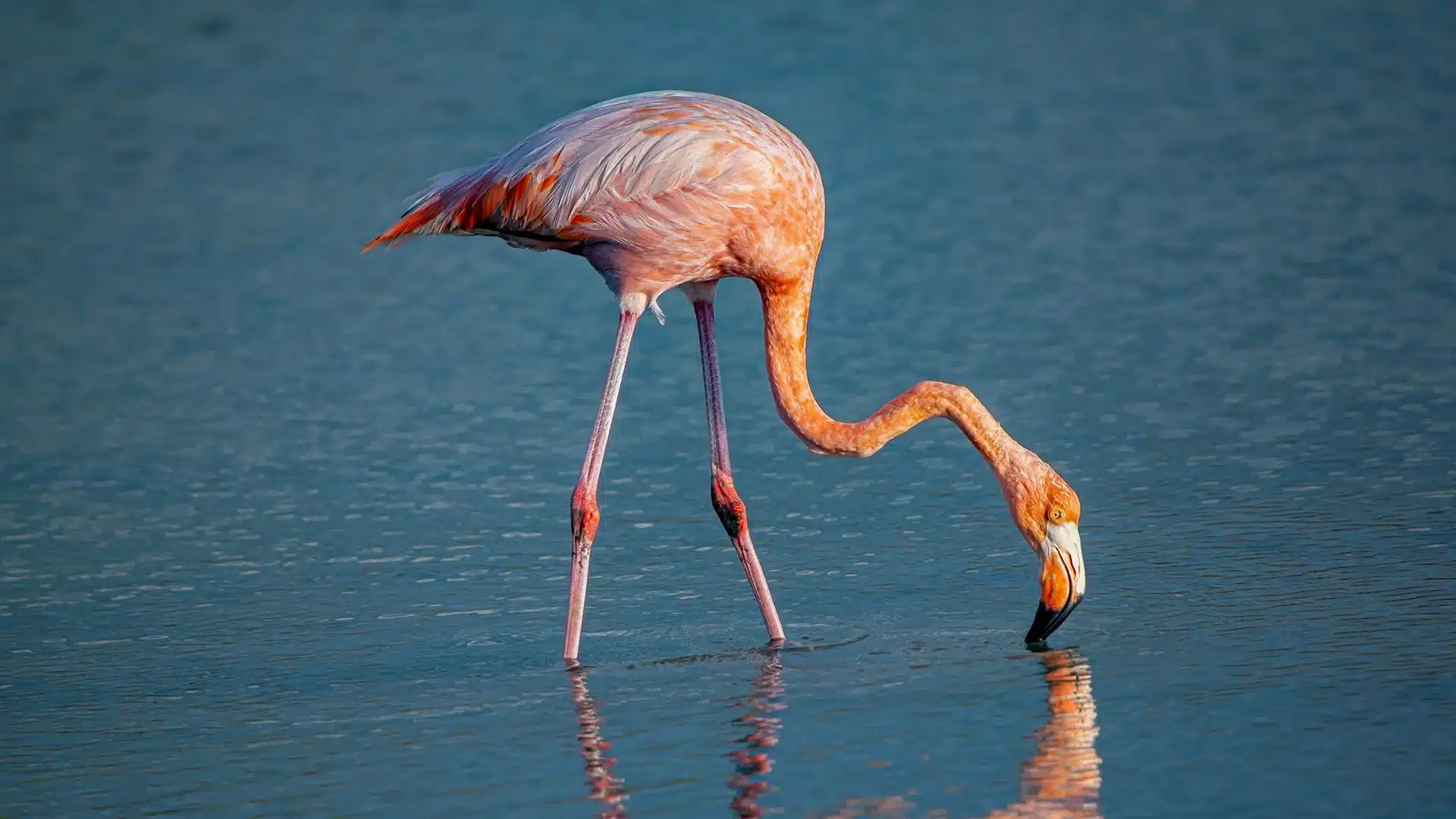
Our morning visit at Punta Cormorant stops by one of the largest flamingo lagoons of the archipelago, located between two volcanic hills that gives the area a special atmosphere. There are varieties of sea birds that can be seen in addition to flamingos, the most frequent ones being black necked stilts, white-cheeked pintails and other migratory birds.
This is a unique area due to the high percentage of endemic plants. Here we can see a unique “Green Beach” (due to the high percentage of olivine crystals in the sand) and the “Flour Sand Beach” mainly composed of coral reefs, making these, amongst the most interesting beaches of the islands. Then we return to the yacht to begin our snorkeling activity at the location known as “Devil’s Crown”. This is a sunken volcanic crater where the interior of the formation is ideal for the formation of a marvelous coral reef habitat, making it one of the most fascinating marine sites in the Galápagos.
P.M.
Bahía “Post Office”: Historically, it served as a letter exchange station in the 18th century when the crew of a whaling ship utilized a wooden barrel. Both sailors and tourists have used this system to communicate with people from all around the world. The idea is to bring letters or postcards to their destination by hand, creating a very special “postal service” This site was also the landing place for some of the first settlers on the islands. Then we will visit the Asilo de la Paz, known for its strange history as one of the first occupied areas of the islands by the German Witmer family. We return to the yacht and head to Puerto Ayora, the largest city in the Galápagos.
If we are lucky, we may see a pod of dolphins during our trip, as well as manta rays and sea turtles.
Breakfast, lunch and dinner are included aboard.
Day 4: Santa Cruz – Baltra
A.M.
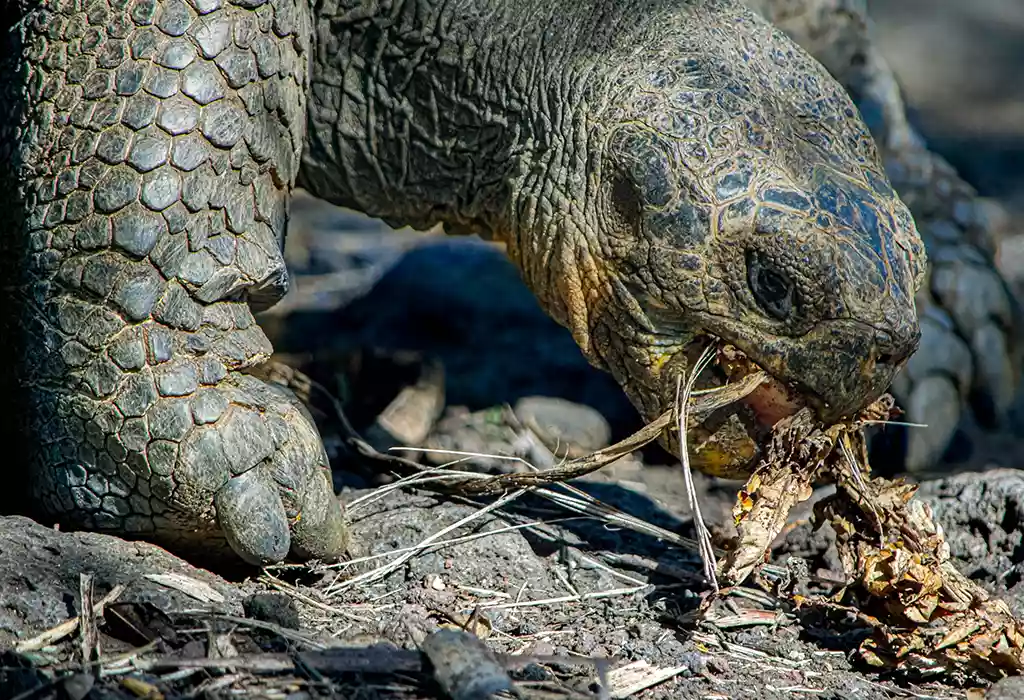
After breakfast, we will visit an interesting location, before departing for the airport. We will visit the Fausto Llerena Interpretation Center where you can see different sizes and species of tortoises. If we have time, we can also visit the special compartment where the embalmed body of the famous giant tortoise “Solitario George” is on display.
Then we will be transported to the Itabaca channel, which we will cross with a local ferry, and then will take a bus to the Baltra Island Airport. Our trip ends here. We will say goodbye to our guide and to the Galápagos Islands, who will be waiting for your next visit.
Breakfast included on board.
Itinerary 5D/4N (Friday to Tuesday)
Day 1: Baltra – Santa Cruz
A.M.
Flying from Quito or Guayaquil, our flight will arrive to Baltra Island at around noon (local time), where we will be greeted by our guide in the lobby, who will be waiting for our arrival to drive us to Yacht Anahí. Your baggage will be handled by one of our crew members who, aboard the small Zodiacs will transport you directly to the yacht. The captain and the crew will welcome you on board, and then you will have your cabins assigned. After lunch, our guide will give you a brief explanation of the afternoon activities.
P.M.
Bachas Beach: The sand of the beach is made of decomposed coral, making it white and soft, while it is also one of the favorite nesting places of sea turtles. Nearby, we can also find a small lagoon where we will be able to observe flamingos, black-necked stilts, thrushes, as well as two old ships that were abandoned during the Second World War. Furthermore, we will also find sea lions, marine iguanas, and seabirds resting on the beach. We will enjoy the tranquility of the beach as well as spend some time with the playful sea lions that like to swim with the visitors.
At 7 pm. we will have an official welcome, followed by a delicious dinner. After dinner, your guide will give you information on the following day’s activities.
Lunch and dinner are included aboard.
Day 2: Genovesa
A.M.
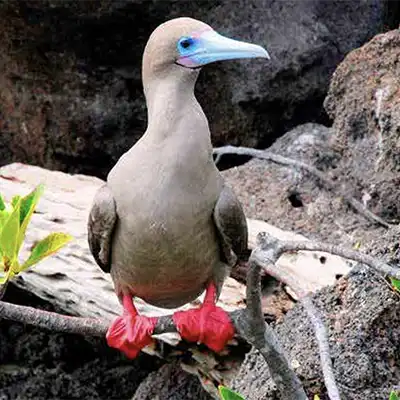
Darwin Bay: A beautiful bay area due to the great diversity of seabirds that nest in the mangroves that dominate the area. These include red-footed boobies, Nazca boobies, swallow-tailed gulls, Galápagos petrels, seabirds, Darwin finches, mockingbirds, and Galápagos doves.
P.M.
Prince Philip’s Steps: We will climb 25 meters of stairs at one of the best bird nesting sites on the islands. We will have the opportunity to snorkel, kayak, hike, and take a ride in a panga.
Breakfast, lunch and dinner are included aboard.
Day 3: South Plazas – Santa Fe
A.M.
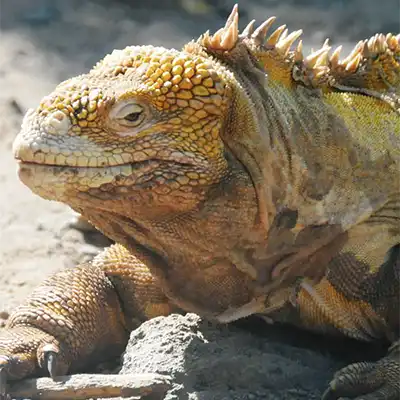
Plaza Islands: These islands have an unusual vegetation, which creates an interesting landscape that helps to enhance the fauna and the flora of the Galápagos. It is also possible to observe land iguanas in the shade of cacti. The main attractions of the Plaza Islands include land iguanas, sea lions, and swallow-tailed gulls, as well as lizards, island insects, red-beaked sparrows, frigate birds, and pelicans that glide down the cliffs. Then we will return to the yacht for lunch and a deserved rest.
P.M.
Santa Fe Island: An extremely scenic island, where we can visit two different trails, with one of them leading to a beautiful viewpoint on the top of a cliff, where you can find endemic land iguanas of the island. The other trail is a small circular path close to the beach, where we will be able to observe another colony of land iguana. Here we will also have the possibility to kayak, snorkel, panga ride, or walk, in order to observe and enjoy nature. Then we will return to the yacht for dinner and a time of relaxation.
Breakfast, lunch and dinner are included aboard.
Day 4: San Cristobal – Kicker Rock / Lobos
A.M.
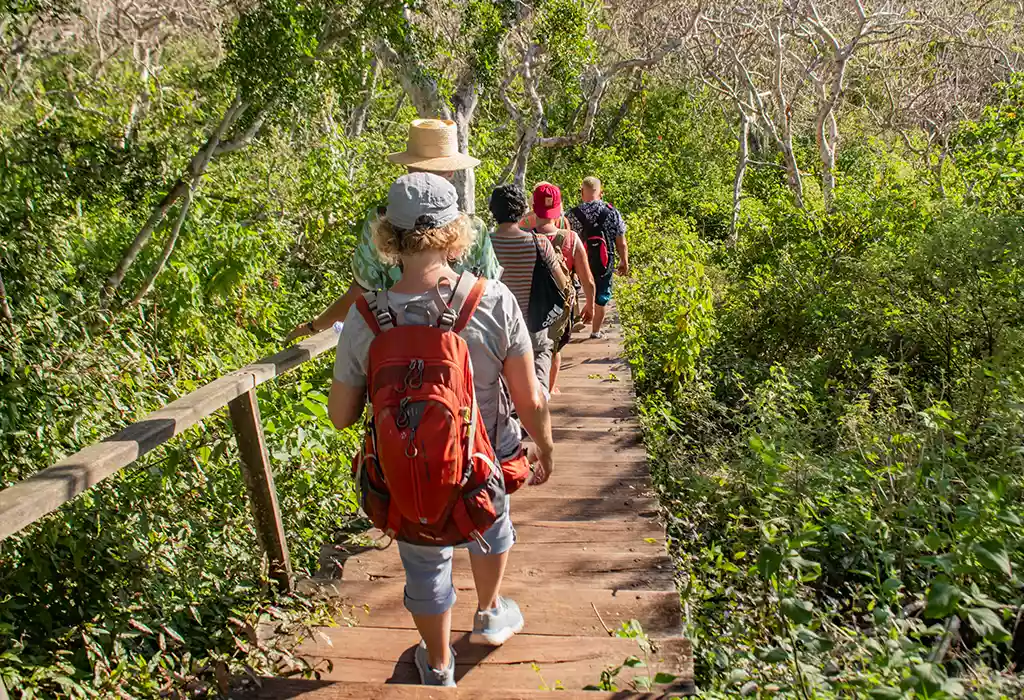
Punta Pitt: Considered as one of the most beautiful and impressive sites in the Galápagos, it has become one of the favorite nesting sites for seabirds. Here we will be able to see three species of frigate birds and their nesting sites in the same area. Then we will return to the yacht for lunch.
P.M.
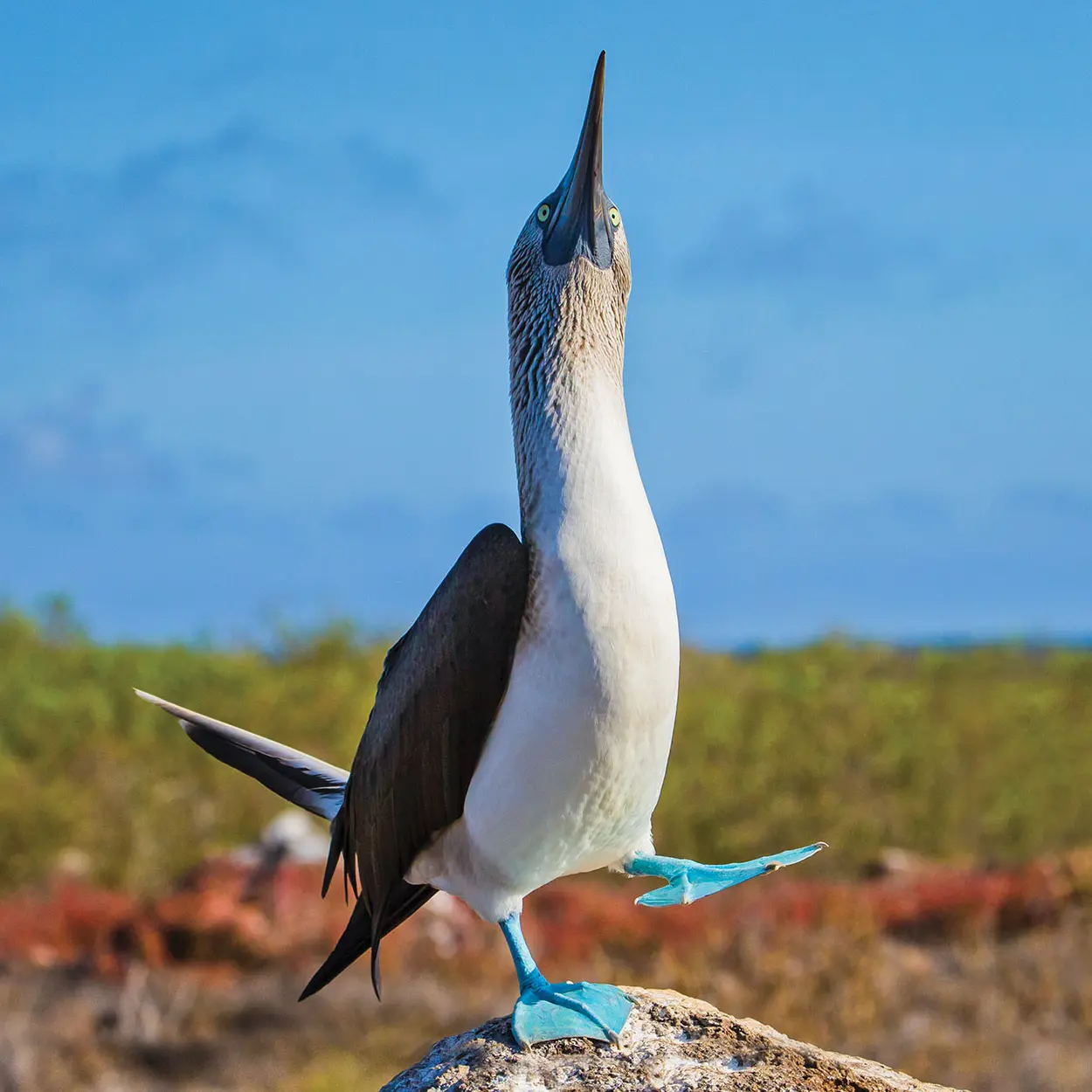
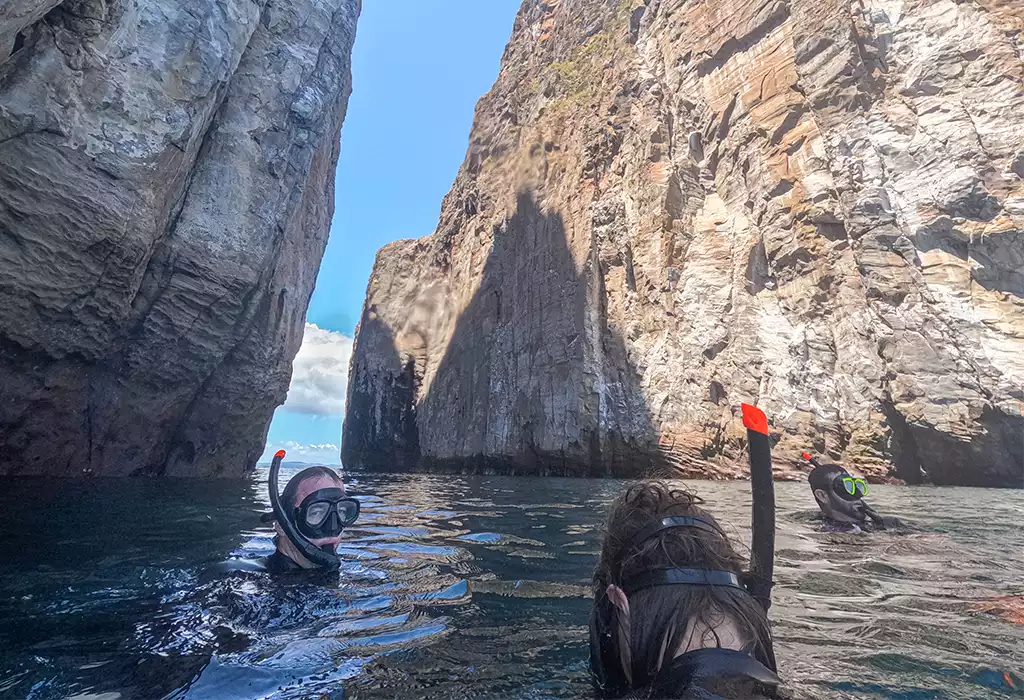
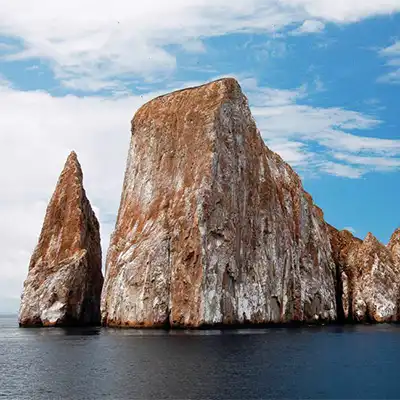
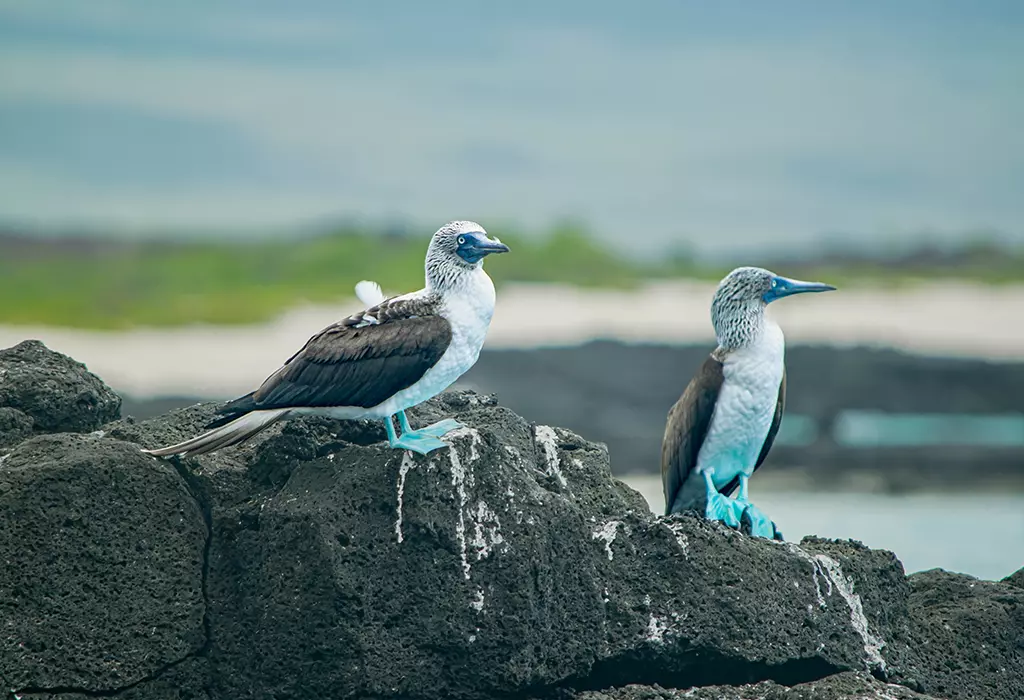
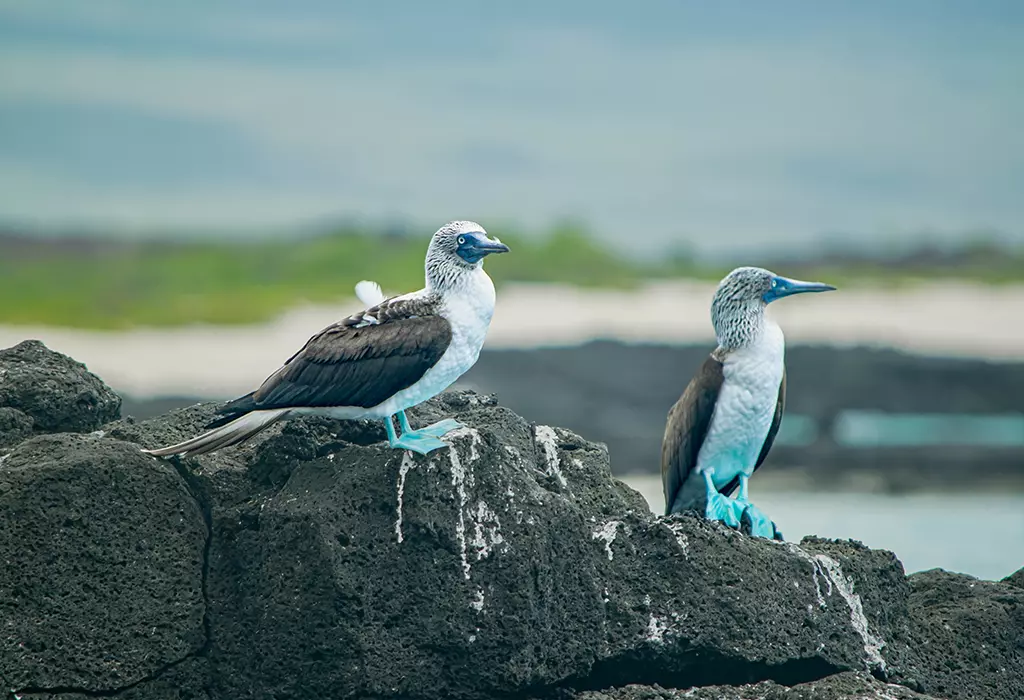
Kicker Rock: Is a gigantic and impressive rock formation known locally as ‘León Dormido’ where we can see a multitude of blue-footed boobies, masked boobies, pelicans and sea birds that will delight us with their majestic flights to be photographed.
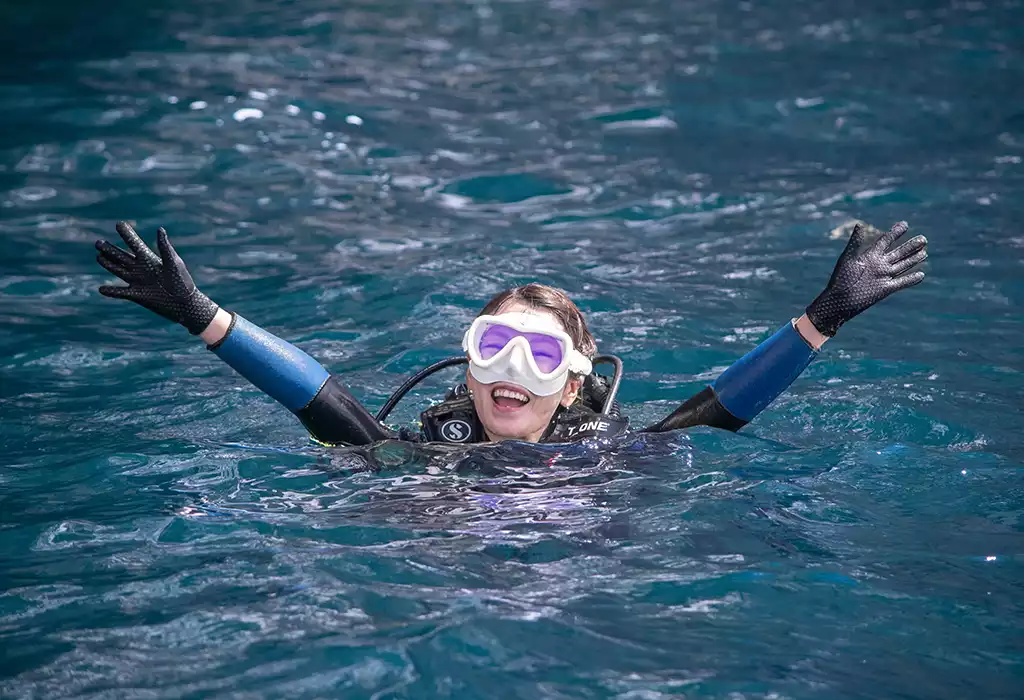
Later we head towards Isla Lobos, an islet separated from San Cristóbal Island by a narrow stretch of calm waters. On the islet we will take a walk that will allow us to observe frigates, blue-footed boobies, masked boobies, a colony of sea lions and we will also be able to snorkel in the arm of the sea, probably with the company of sea lions and different kinds of colorful fish. The atmosphere is one of tranquility and primitive beauty, a typical environment of the Galapagos Islands.
Breakfast, lunch and dinner are included aboard.
Day 5: San Cristobal
A.M.
In the morning, our guide will take us to the top of San Cristóbal Island. Following, our tour has 2 options. The first option starts from Puerto Baquerizo Moreno, and involves a visit to the El Junco Lagoon. For hundreds of years, rain water and condensation have caused an accumulation of water in the caldera of an extinct volcano, creating a paradise for frigate birds and turtles.
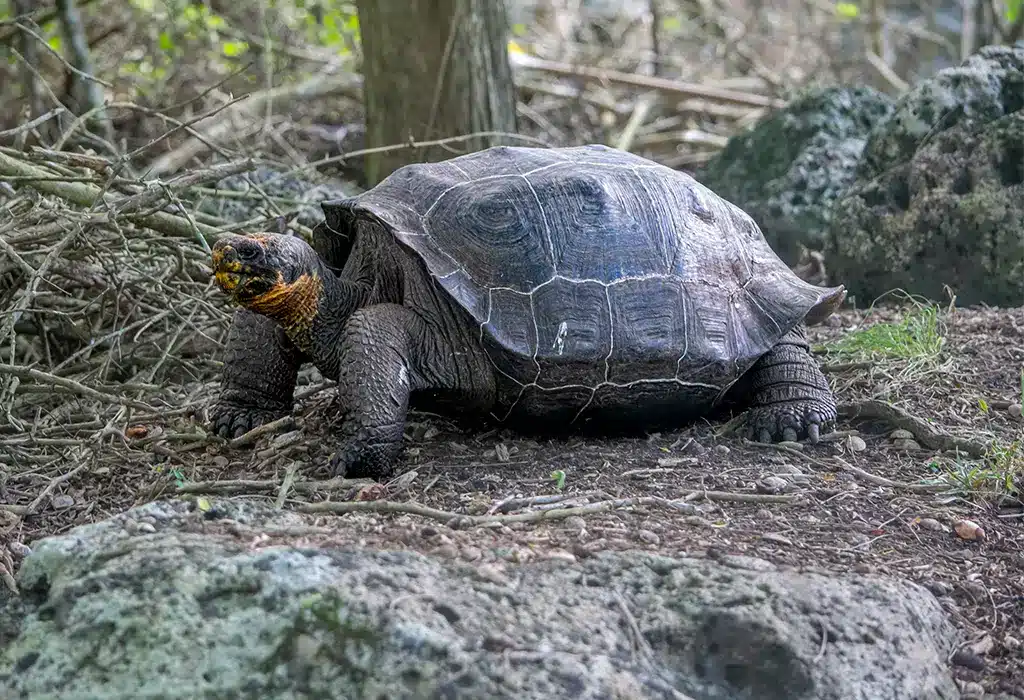
Alternatively, we will visit the “Cerro Colorado” turtle breeding center. There we will have a pleasant walk along a path that allows us to be in close contact with the turtles, that can vary from the smallest to the oldest of giants.
After our visit, we will depart for the airport for our return flight to Quito or Guayaquil.
Breakfast is included aboard.
Itinerary 8D/7N (Friday to Friday)
Day 1: Baltra – Santa Cruz
A.M.
Flight from Quito or Guayaquil to the Galápagos Islands.
P.M.
Upon our arrival to Baltra Airport, our guide will greet us in the lobby, assist you with your luggage, and will accompany us on the short bus ride (15 minutes) to the Itabaca Channel. After crossing, we will travel for 45 minutes to 1 hour by bus towards the highlands of the island of Santa Cruz. Then we will enjoy lunch on a private ranch. Passengers who embark on the yacht in Puerto Ayora will be transported up to the highlands to join the group and start de visit.
Our guide will take us on a walk through a beautiful forest full of ferns, sedges, and miconias, while you might also observe some giant tortoises in their natural habitat.
Later, we will head to one of the many lava tunnels in the area. Here we will enjoy a short walk through the tunnel, where we can admire the results of a powerful volcanic eruption that occurred millions of years ago.
After our visit, we will head to Puerto Ayora and board the yacht, where we will have an official welcome drink, followed by dinner. After dinner, our guide will explain the following day’s activities as well as some general recommendations for visitors of the Galápagos Islands.
Lunch and dinner are included on the ranch and aboard.
Day 2: Isabela
A.M.
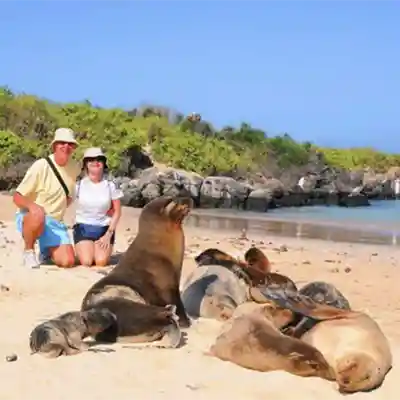
Isabela is the name of the largest and the youngest island within the Galápagos Archipelago. In the morning we will begin our first visit to the islets known as Las Tintoreras, located south of Puerto Villamil. This area has a small bay of calm turquoise water, where we can observe sea lions, sea turtles, marine iguanas, stingrays, and many more aquatic species.
Next, we will walk along a path and explore two different beaches. The first beach that we will encounter is a popular place for sea lions and marine iguanas that nest in the area, while the second beach is surrounded by button mangroves (Conocarpus erecta) and white mangroves (Laguncularia racemosa).
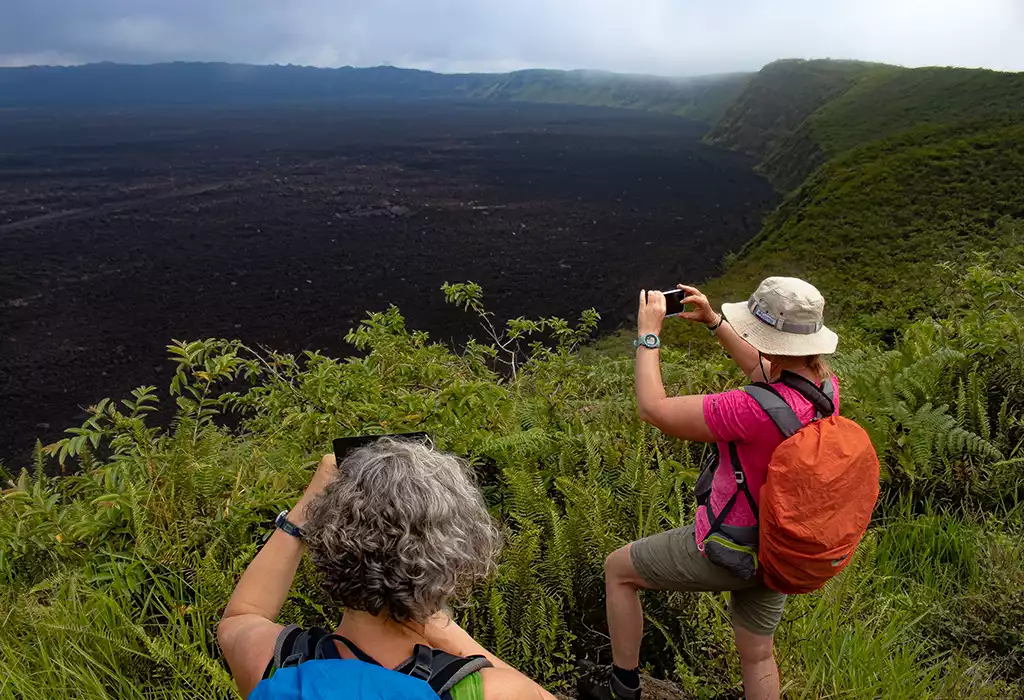
After the visit to “Las Tintoreras”, we will disembark to Puerto Villamil to head to the Sierra Negra Volcano, found in the highlands of the island, as it rises to an altitude of 1124m. It is located between the Cerro Azul volcano to the west, and the Alcedo volcano to the north. Furthermore, it is one of the most active volcanoes of the Galápagos, with the latest eruption occurring in June 2018.
P.M.
After lunch, during the afternoon, we will visit the wetlands known as “Los Humedales”, where we will be able to see a wide variety of wetland birds with majority of them being endemic to the island.
After our visit, we will have some free time in the small town of Puerto Villamil. At the end of the day we will board the yacht for dinner and a well-deserved rest.
Breakfast, lunch and dinner are included aboard.
Day 3: Isabela
A.M.
Punta Moreno is located on the north coast of Isabela Island, between the Sierra Negra and Cerro Azul volcanoes. The distance of the trail is about 2100 meters, but this will grant us a panoramic view of the three most active volcanoes in the Galápagos: Sierra Negra and Cerro Azul on Isabela Island, and the summit of Fernandina Island. We will have the opportunity to do a surface dive in this area, where, despite the cold waters, marine life is abundant. After this visit we will return to the yacht for lunch and a little rest before heading out for our afternoon activity.
P.M.
In the afternoon we will visit Elizabeth Bay. The trip will begin in a cove surrounded by red mangroves. Here we will be able to observe sea turtles, flightless cormorants, spotted eagle rays, golden rays, brown pelicans and sea lions. Visitors have often been able to see Galápagos falcons fly over their heads, while Pompano and Mahi-mahi fish schools are seen swimming below. This is an amazing site due to the large amount of marine and terrestrial fauna as well as due to the unique and beautiful landscape of the area. After this visit, we will return to the yacht for dinner and rest.
Breakfast, lunch and dinner are included aboard.
Day 4: Isabela
P.M.
Urbina Bay is located at the east base of the Alcedo volcano, with an approximately 3200m path connecting it to the beach, where, after a beach landing, we will have to cross through the coastal zone, traversing sand, rocks, lava, corals, and plant formations. At this site, we will be able to see large sized land iguanas, as well as giant Galápagos tortoises, flightless cormorants, blue-footed boobies, Galápagos penguins, pelicans, and marine iguanas.
P.M.
We will return to the yacht to enjoy a delicious lunch, followed by a short sailing towards Tagus Cove. Here we will have the opportunity to snorkel, surface dive, or to kayak. At around 4pm, we will hike to the top of the cliff that takes us to a viewpoint of Lake Darwin, a lake that has high saline concentrations.
Finally, we will observe Lake Darwin. It doesn’t contain any fish, and only a few lifeforms due to its high salinity. Supposedly, in the past there was an explosive volcanic eruption in the area, since there are large number of volcanic rocks of varying sizes that can be found here. Among the most common are small spherical balls, that are almost perfect in shape, referred to as “lapili” or petrified rain.
Breakfast, lunch and dinner are included aboard.
Day 5: Fernandina – Isabela
A.M.
Fernandina is the third largest island in the archipelago and has only one point of interest. Punta Espinoza is located on the far northeast part of the island and is a narrow platform of lava and sand that extends from the base of the volcano to the sea.
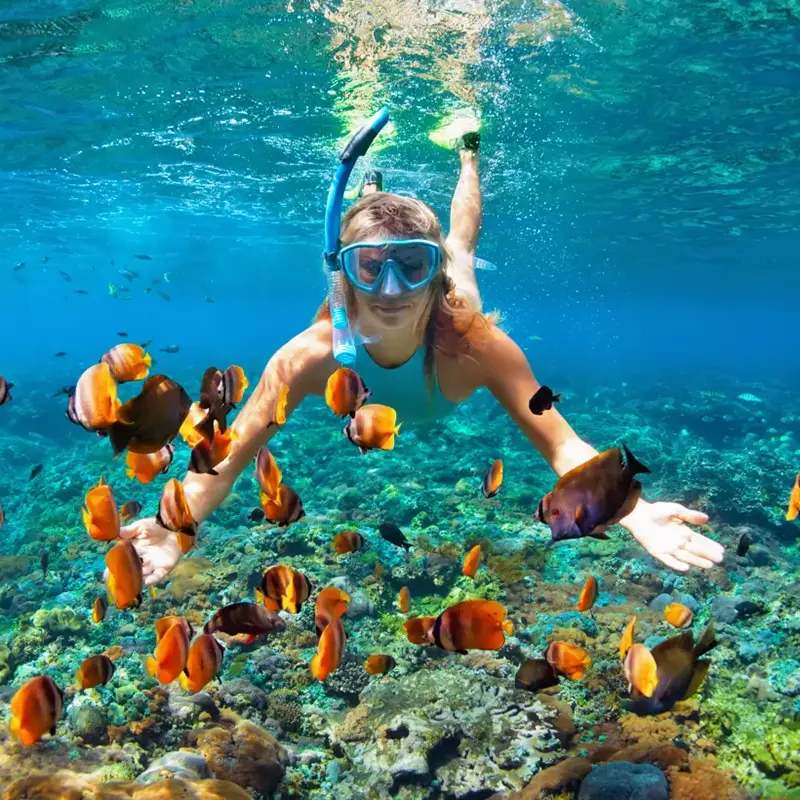
Punta Espinoza is well known for its large colonies of marine iguanas, and its unique fauna full of species such as the flightless cormorant, the Galápagos penguin, the Galápagos falcon, and the Galápagos racer snake. After this visit, there will be a possibility to snorkel in the area, where we will be able to swim with marine iguanas, large colonies of sea turtles, and if we are lucky even with beautiful seahorses.
P.M.
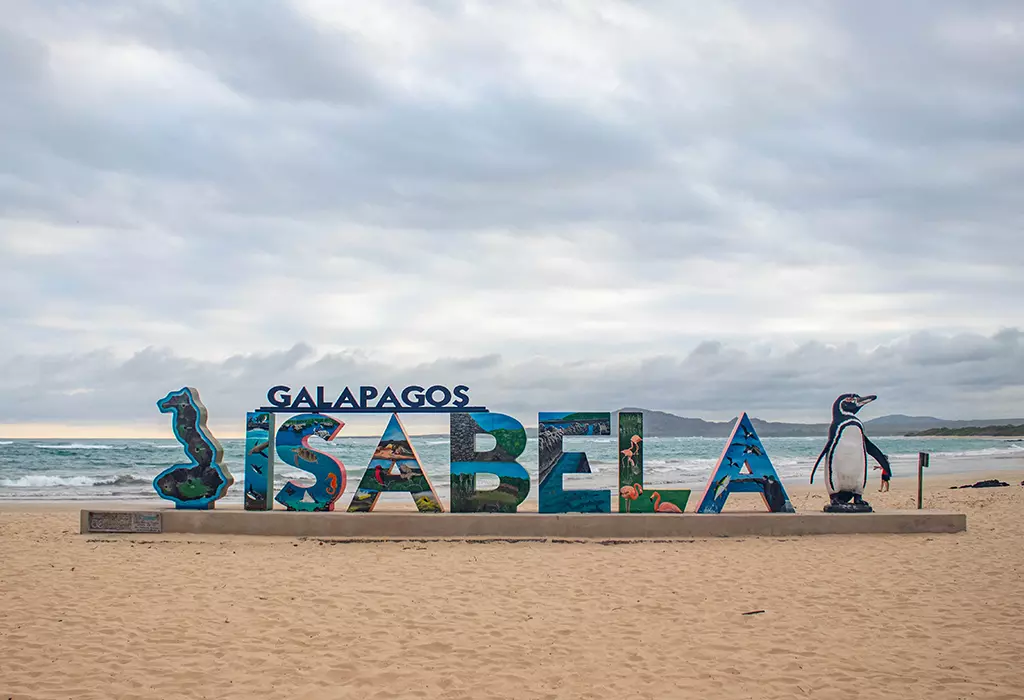
Isabela Island is believed to have the shape of a seahorse, where Punta Vicente Roca would be considered the mouth. At this location you will find the remains of an ancient volcano that forms two coves with clear turquoise water, in conjunction with a bay protected from the waves of the ocean. From this point, we will have a snorkeling activity, followed by a panga ride along the cliffs to observe the remains of the volcano, or we may explore a cave that is partially found underwater. Nazca boobies and blue-footed boobies perch along the steep cliffs, while the flightless cormorants inhabit the coast.
At the end of our activity, we will begin navigating the ship, so that we will approach and cross the equator line. At this point, we will have a special cocktail to celebrate our crossing to the northern hemisphere.
Breakfast, lunch and dinner are included aboard.
Day 6: Santiago - Rabida
A.M.
Puerto Egas is a black sandy beach located on the west side of James Bay, northwest of Santiago Island. The site gets its name after Mr. Héctor Egas, who tried to exploit the salt found in this area, however failed due to the price of salt in other parts of the country.
The hike along the rugged coastline, especially during low tides, will allow us to observe many marine species, such as the iguanas relaxing on the rocks, and the sea lions resting in the tidal pools.
We will have the opportunity to snorkel near the beach of Puerto Egas in order to enjoy the marine landscape that is relatively different from previously visited locations.
P.M.
In the afternoon we will visit Rábida Island, said to be unique due to the red color of its rocks and sand. The volcanic material on this island is very porous and external factors such as rain, saltwater and sea breeze have acted as an oxidizing agent. When we arrive, we will enjoy a snorkeling activity, in order to learn about the marine life in this area, that is full of interesting aquatic species.
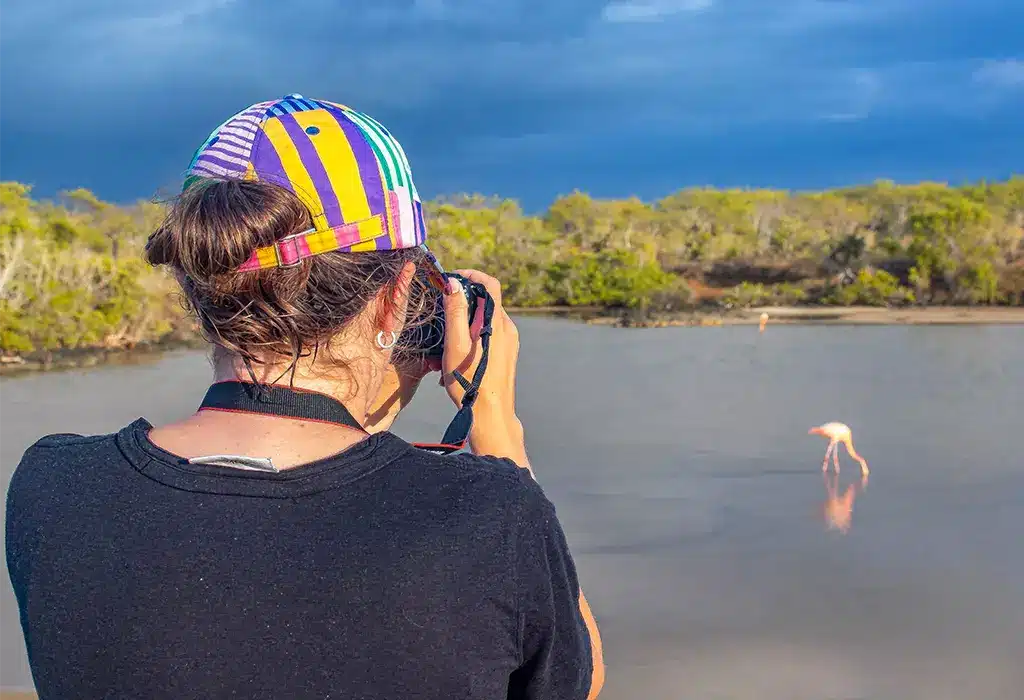
A short walk along a trail will take us to a lagoon to observe the beautiful terrestrial birds, such as finches, pigeons, yellow warblers and mocking birds. This lagoon is also home to a colony of flamingos. The red sand beach, along with the animals, lagoons, and vegetation make this place an excellent location to visit.
Breakfast, lunch and dinner are included aboard.
Day 7: Chinese Hat – Bartholomew
A.M.
After a short night sailing, the sun will dawn on the beautiful “Sombrero Chino” channel. This small islet is located near the southeastern coast of Santiago Island. Our visit provides an excellent opportunity for the observation and understanding of geological characteristics such as lava tubes and lava flows. The landscape is covered by colonies of sea lions, marine iguanas, and occasionally Galápagos penguins.
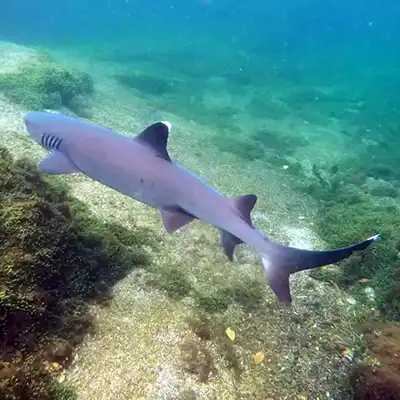
The trail is 700 meters (there and back) and the minimum time that is required for this hike is one hour at a moderate pace. We will take our time to swim in this beautiful bay area, where we will be amongst sharks, stingrays, unique species of fish, and occasionally penguins, before returning to the yacht to enjoy a barbecue on top deck. We can also spend time exploring the area with kayaks, visiting the magnificent geological formations from the surface.
P.M.
Bartolomé Island is one of the most famous spots in the Galápagos, located in front of Sullivan Bay near the island of Santiago. When arriving at this unique location, we will have the opportunity to enter the water and swim around the famous Pinnacle Rock, and between the rocks that come out from below the surface of the water, forming an incredible labyrinth for the marine life.
Later we will visit the top of the island, where we will be able to observe a variety of volcanic formations, including volcanic bombs, ash cones, lava flows and lava tubes. This lunar scenery provides one of the most scenic landscapes of the archipelago.
At the second site that we will visit, we will have the opportunity to relax on a beautiful beach, which offers excellent opportunities for snorkeling. Multicolored fish, and occasionally penguins and sea turtles have been seen at the base of the Pinnacle Rock, which dominates the landscape of Bartolomé.
Breakfast, lunch and dinner are included aboard.
Day 8: North Seymour – Baltra
A.M.
North Seymour is a small island located to the north of Baltra and will act as our last visit on the itinerary aboard Catamaran Yacht Anahí, and we will be able to observe the land iguanas of Baltra.
On Baltra we will take a bus to the Baltra Island Airport. Our amazing Galapagos journey ends here. We will say goodbye to our guide and companions with whom we shared this wonderful adventure.
Breakfast is included aboard.

Itinerary B 8D/7N (Friday to Friday)
Day 1: Baltra – Santa Cruz
AM.
Flying from Quito or Guayaquil, our flight will arrive to Baltra Island at around noon (local time), where we will be greeted by our guide in the lobby, who will be waiting for your arrival and proceeding embarkation to Yacht Anahí. Your baggage will be handled by one of our crew members, directly to your cabin. The captain and the crew will welcome you on board, followed by cabin assignment. After lunch, our guide will give you a brief explanation of the afternoon activities.
PM.
Our first visit is to Bachas Beach, which is made of decomposed coral, making it white and soft, while it is also one of the favorite nesting places of sea turtles. Nearby, we can also find a small lagoon where we will be able to observe flamingos, black-necked stilts, thrushes, and the remains of two old barges that were abandoned in the 1940’s. We will also find sea lions, marine iguanas, and seabirds resting on the beach, as well as spend some time with the playful sea lions that like to swim with the visitors. At 7 pm. we will have an official welcome, followed by a delicious dinner. After dinner, your guide will give you information on the following day’s activities.
Lunch and dinner are included aboard.
Day 2: Genovesa
AM.
Darwin Bay is our anchorage area, within an ancient volcanic crater that has eroded into a fascinating geographical formation with a great diversity of seabirds that nest in the mangroves and cliffs of the area. These include red-footed boobies, Nasca boobies, swallow-tailed gulls, Galapagos petrels, seabirds, Darwin f inches, mockingbirds, and Galapagos doves. We will walk by the mangroves observing the fascinating life of these marine birds.
PM.
We will climb 25 meters of stairs at one of the best bird nesting sites on the islands, known as Prince Philip’s Steps (locally known as “El Barranco”). We will have the opportunity to snorkel, kayak, hike, and take a ride in a panga, and with luck catch a glimpse of the short-eared owl, a unique owl that hunts during the daytime.
Breakfast, lunch and dinner are included aboard.
Day 3: South Plazas – Santa Fe
AM.
Plazas Islands have unusual vegetation of a succulent called Sesuvium, giving the landscape a unique tint of red or green depending on the season. It is also possible to observe land iguanas in the shade of the giant opuntia cacti. The main attractions of the Plaza Islands include land and marine iguanas, sea lions, and swallow-tailed gulls, as well as lizards, frigate birds, and pelicans that glide down the cliffs. After our walk we will return to the yacht for lunch and a well-deserved rest.
PM.
Santa Fe Island is a scenic island, where we can visit two different trails, with one of them leading to a beautiful viewpoint on the top of a cliff, where you can find endemic land iguanas of the island. The other trail is a small circular path close to the beach, where we will be able to observe a colony of sea lions. Here we will also have the possibility to kayak, snorkel, panga ride, or walk, to observe and enjoy nature. Then we will return to the yacht for dinner and a time of relaxation.
Breakfast, lunch and dinner are included aboard.
Day 4: San Cristobal – Kicker Rock / Lobos
AM.
Punta Pitt is considered as one of the most beautiful and impressive sites in the Galápagos, and a favorite nesting site for seabirds. In our morning visit we will be able to see both species of frigate birds and boobies, and their nesting sites in the same area. Then we will return to the yacht for lunch.
PM.
We will navigate towards Kicker Rock an impressive rock formation known locally as ‘León Dormido’ where we will circumvallate around the huge rock formation, giving as the possibility to see a multitude of blue-footed boobies, masked boobies, pelicans and sea birds that will delight us with their majestic flights to be photographed. Later we head towards Isla Lobos, an islet separated from San Cristóbal Island by a narrow stretch of calm waters. On the islet we will take a walk that will allow us to observe frigates, blue-footed boobies, masked boobies, a colony of sea lions and we will also be able to snorkel in the arm of the sea, probably with the company of sea lions and different kinds of colorful fish. The atmosphere is one of tranquility and primitive beauty, a typical environment of the Galapagos Islands.
Breakfast, lunch and dinner are included aboard.
Day 5: San Cristobal
AM.
In the morning, our guide will take us to the top of San Cristóbal Island. Following, our tour has 2 options. The f irst option starts from Puerto Baquerizo Moreno, and involves a visit to the El Junco Lagoon. For hundreds of years, rainwater and condensation have caused an accumulation of water in the caldera of an extinct volcano, creating a paradise for frigate birds. Then, we will visit the D. Rodriguez (Cerro Colorado) Tortoise Breeding Center. There we will have a pleasant walk along a path that allows us to be in close contact with the giant Galapagos tortoises, which can vary from the smallest to the oldest of giants. Finally, we will visit the beautiful place known as Puerto Chino where we will find sea lions, eventually we will observe marine turtles and also observe blue footed boobies.
PM.
The Interpretation Center of San Cristobal is located on the outskirts of the small town of Puerto Baquerizo Moreno, the capital city of the Galápagos province. The center will give us an introduction to the islands, and their natural and human history. A short 30-minute walk starts from the interpretation center and takes you to the top of “Cerro Tijeretas” hill to enjoy a spectacular sight of the surrounding geographical formations of the Pacific Ocean including the famous Kicker Rock. The hill is often visited by Frigate birds that nest there in certain seasons of the year. From the hill we will descend into a small cove known as Punta Carola, where we will observe a colony of sea lions. At night guests who want to disembark can go into the city for a walk and maybe have a drink at one of the local bars.
Lunch and dinner are included aboard.
Day 6: Española
AM.
Punta Suárez: A destination of great interest due to the incredible abundance of birds and endemic species like the Española Mockingbird, which has a distinctively longer and curved beak than variations found on other islands; the Galápagos lava lizard; the marine iguana of the venustissimus subspecies; and more. We can also observe seagulls and other tropical birds that live on the rocky slopes. Among the more interesting attractions of the island is the waved albatross, as the entire world population of this species comes to breed here between March and December. Punta Suarez is one of the most sought-after land visits of the Galapagos, where we can find hundreds of Nasca boobies, colonies of sea lions, large colonies of marine iguanas and different species of birds, which can be seen doing their mating dances.
PM.
Bahía Gardner has a gorgeous white coral sand beach that is excellent for relaxing, and surrounding areas that are excellent for swimming and snorkeling. Here we can find a large colony of playful sea lions and local species of snakes, while we will undoubtedly see Darwin’s finches, mockingbirds and with luck various species of rays, sharks, fish, and sea turtles in the water. Kayaking is optional in the area.
Breakfast, lunch and dinner are included aboard.
Day 7: Floreana
AM.
Our morning visit to Punta Cormorant stops by one of the largest flamingo lagoons of the archipelago, located between two volcanic hills that gives the area a special atmosphere. There are varieties of sea birds that can be seen in addition to flamingos, the most frequent ones being black necked stilts, white-cheeked pintails, and other migratory birds. This is a unique area due to the high percentage of endemic plants. Here we can see a unique “Green Beach” (due to the high percentage of olivine crystals in the sand) and the “Flour Sand Beach” mainly composed of coral reefs, making these amongst the most interesting beaches of the islands. Then we return to the yacht to begin our snorkeling activity at the location known as “Devil’s Crown.” This is a sunken volcanic crater where the interior of the formation is ideal for the formation of marvelous coral reefs, making it one of the most fascinating marine sites in the Galapagos.
PM.
The “Post Office” bay historically served as a letter exchange station from the 18th century until today, when the crew of a whaling ship utilized a wooden barrel as the exchange point. Both sailors and tourists have used this system to communicate with people from all around the world until today. The idea is to bring letters or postcards to their destination by hand, creating a very special “postal service”. This site was also the landing place for some of the first settlers on the islands, that eventually went to the highlands in search of fresh running water. Then we will visit the Asilo de la Paz, one of the first occupied areas of the archipelago by the German Wittmer family. If we are lucky, we may see a pod of dolphins during our trip, as well as manta rays and sea turtles.
Breakfast, lunch and dinner are included aboard.
Day 8: Santa Cruz – Baltra
AM.
After breakfast, we will visit the famous Fausto Llerena Interpretation Center, where you can see different sizes and species of the Giant Galapagos Tortoises. If we have time, we can also visit a special wing of the area where we can see “Lonesome George” on display, an icon of conservation and the islands. If time allows, we will stop by a small guest center of the Charles Darwin Research Station. Then we will be transported to “Los Gemelos,” an iconic natural sinkhole formation, before we cross to Baltra Island with a local ferry, and then take a bus to the Baltra Island Airport. Our trip ends here. We will say goodbye to our guide and to the Galapagos Islands.
Breakfast included on board.
Explore the
place you stay
- Category: Tourist Superior
- Type: Motor Catamaran
- Capacity: 16 passengers
- Length: 90/ 27,60 m
- Beam: 36.08 feet / 11 m
- Draft: 4.75 feet / 1.45 m
- Electric power: 110v and 220v. AC
- Speed: 10 knots
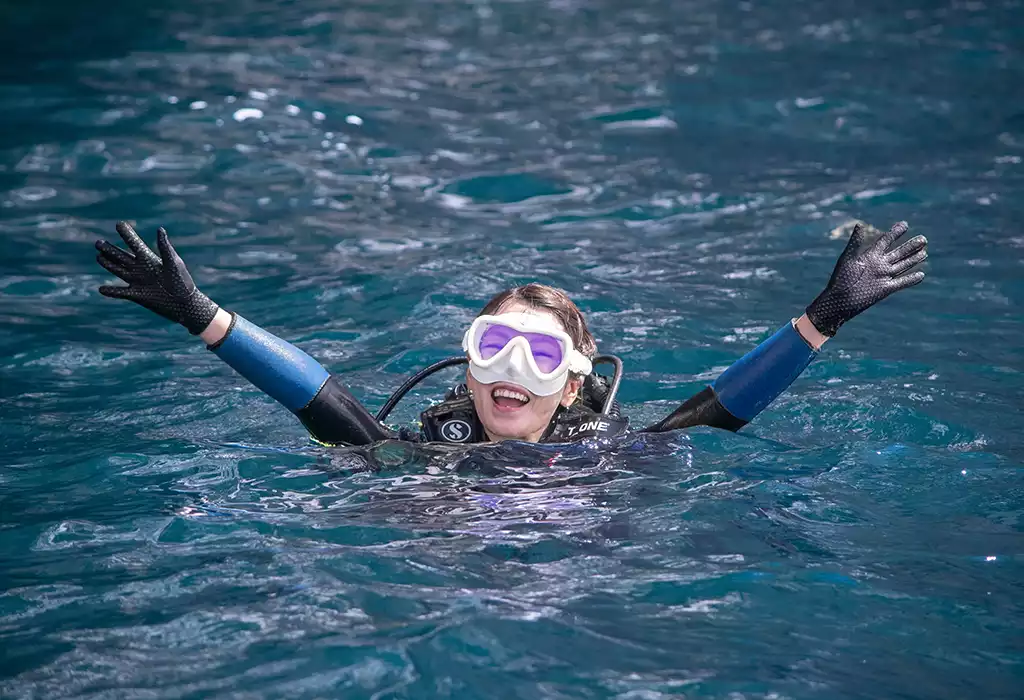
- Equipment: Snorkel and sea kayaks
- Crew: 8 + 1 naturalist guide
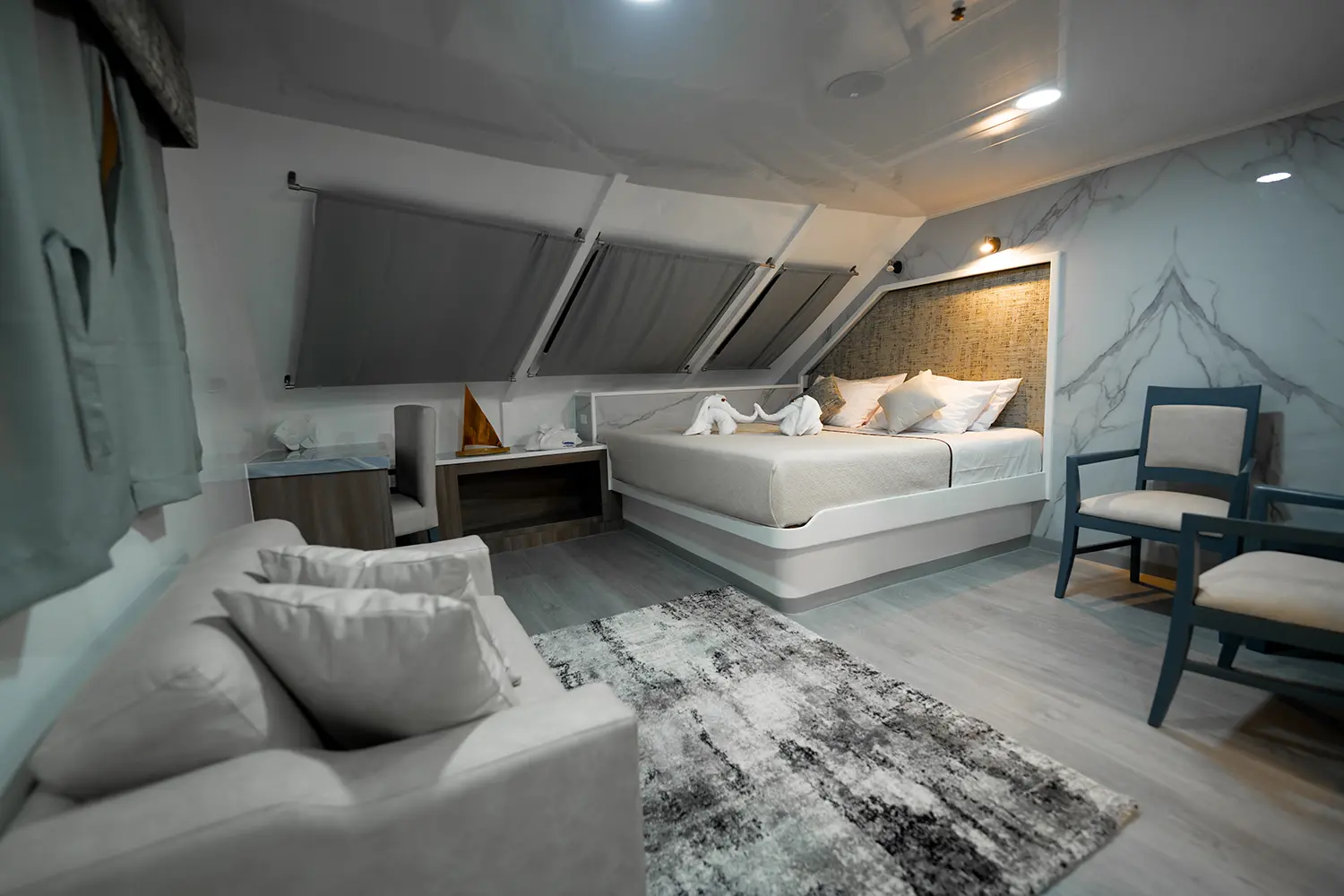
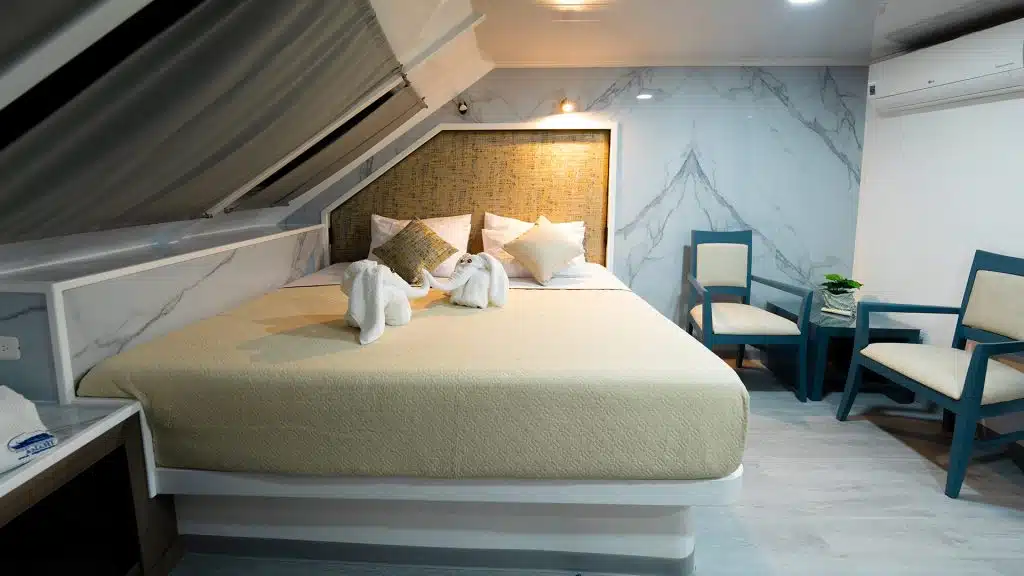
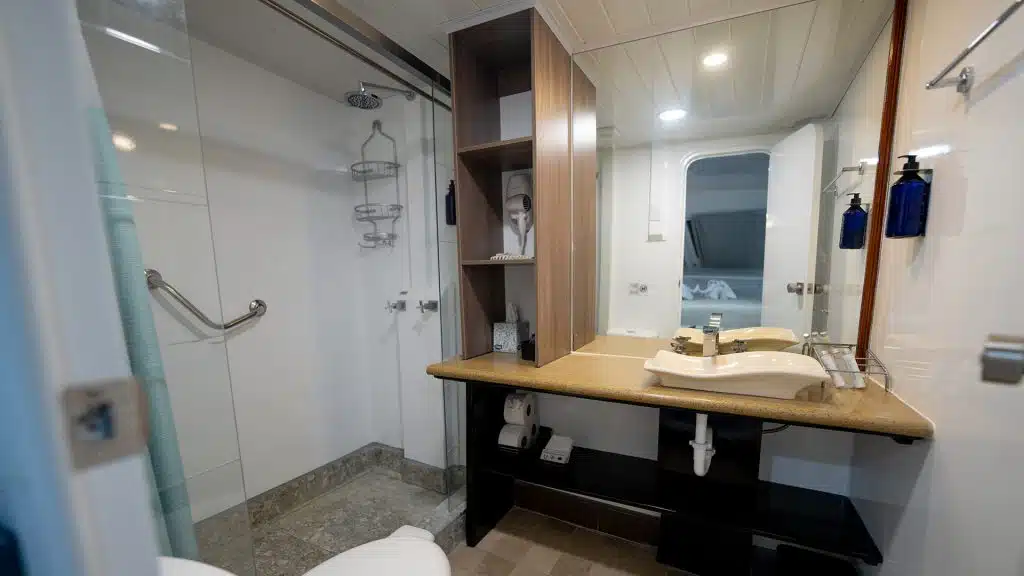
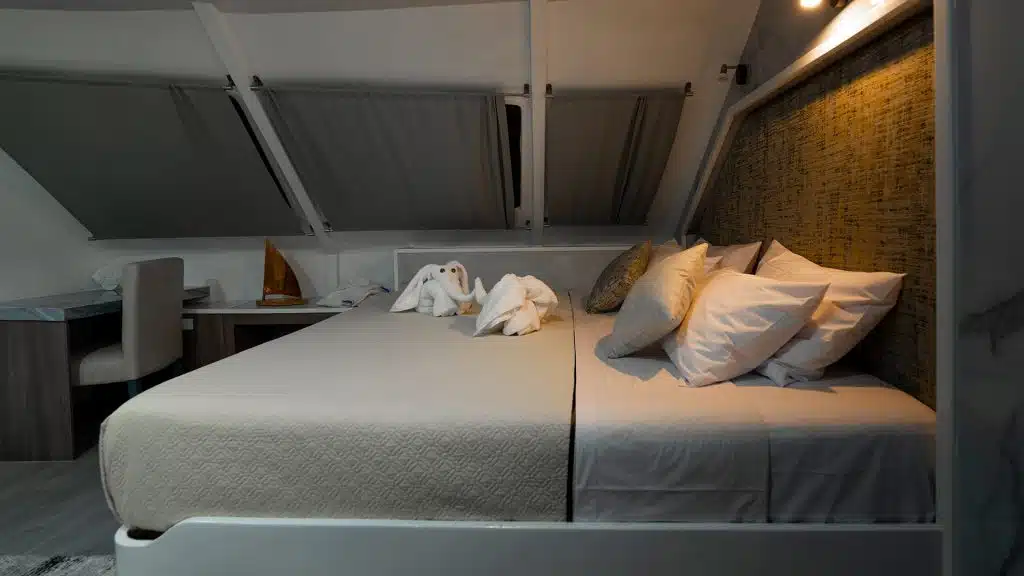
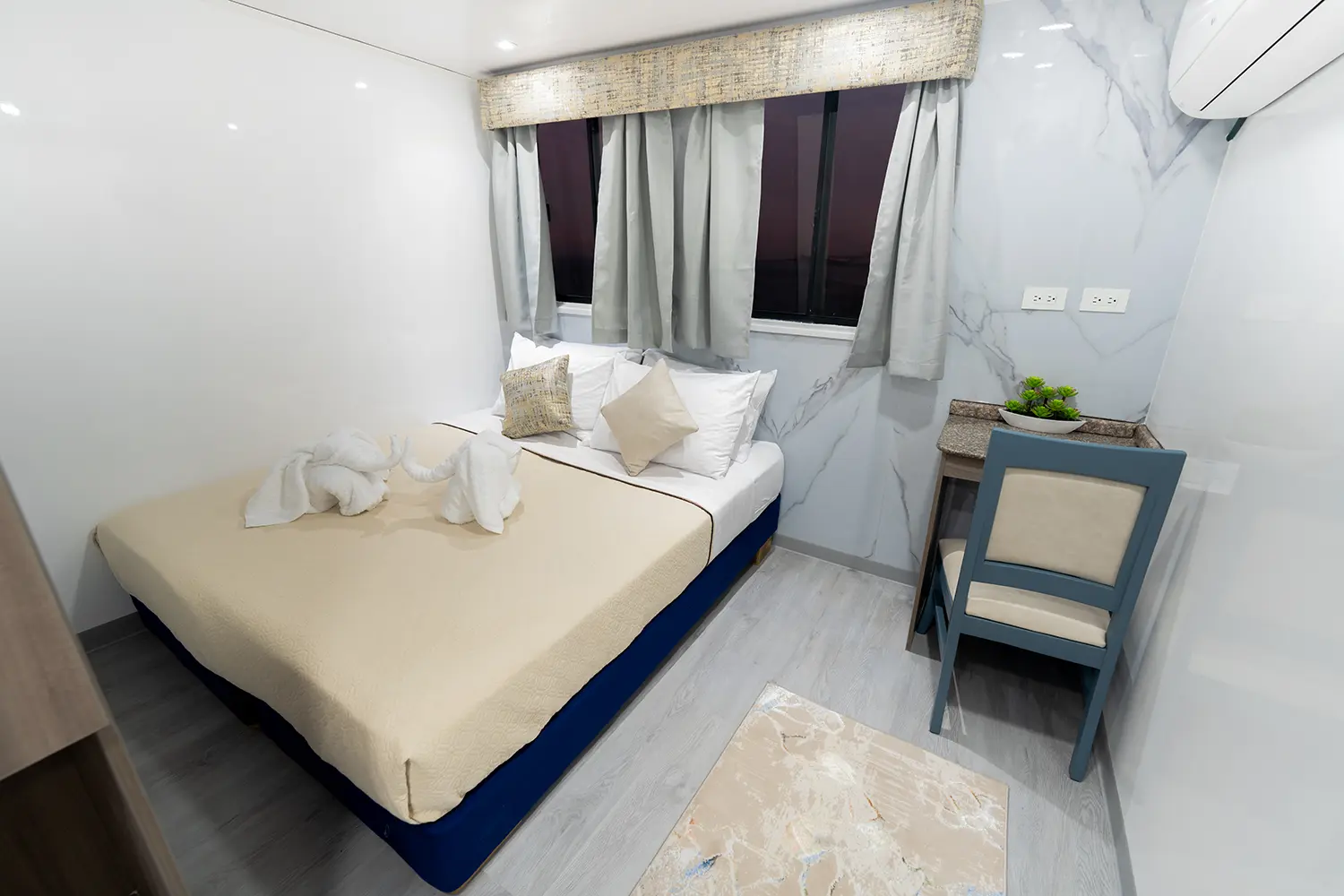
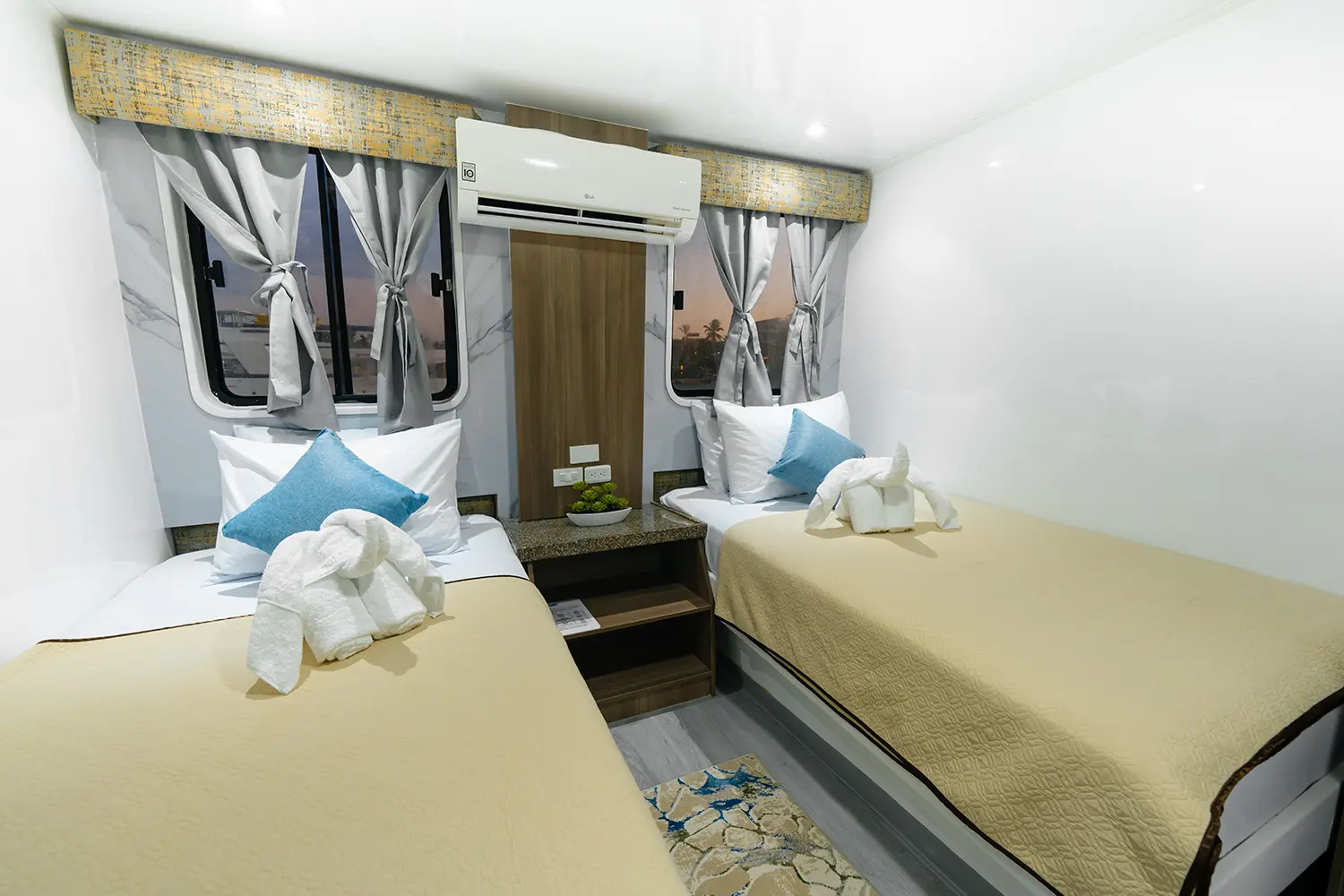
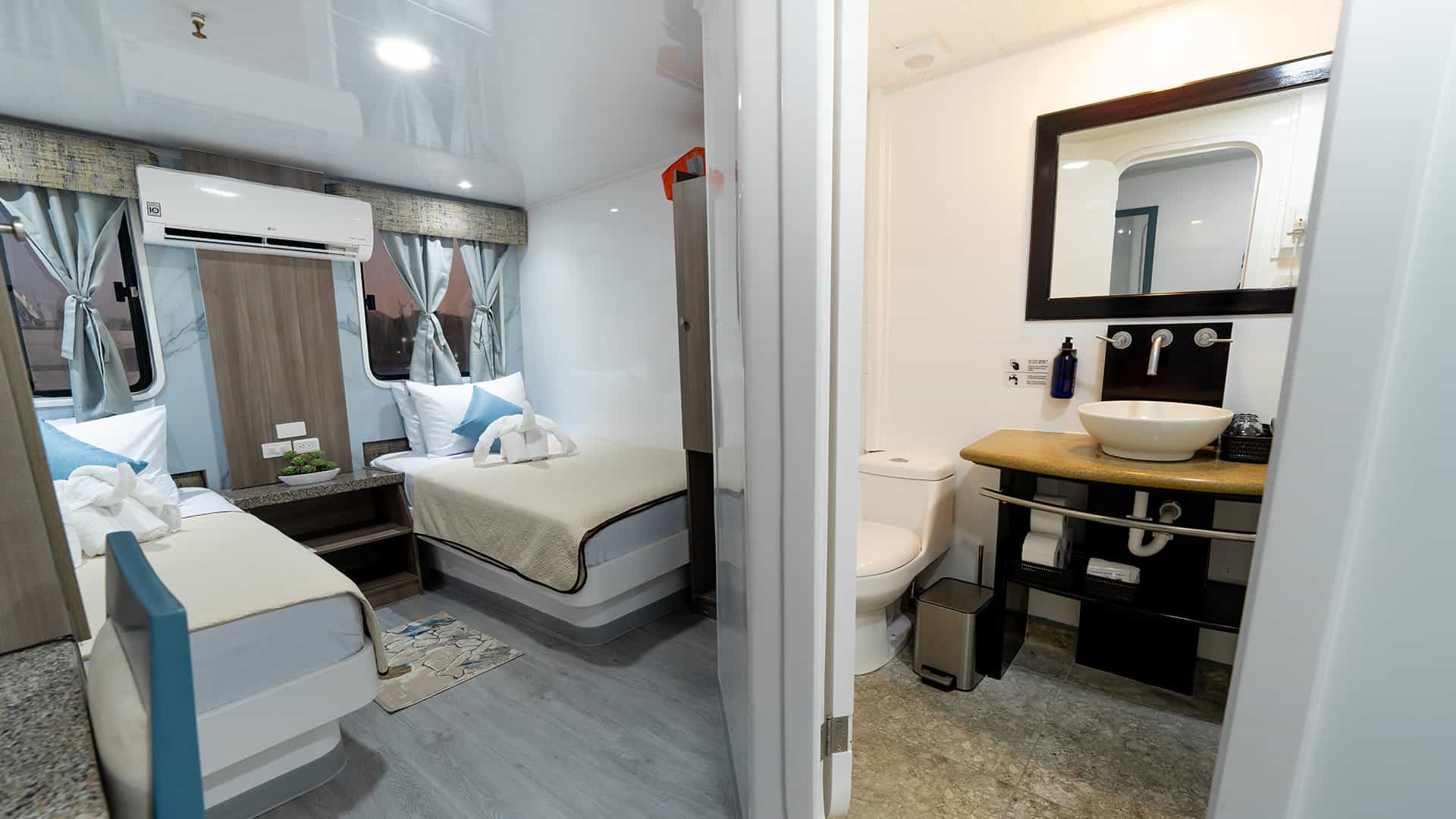
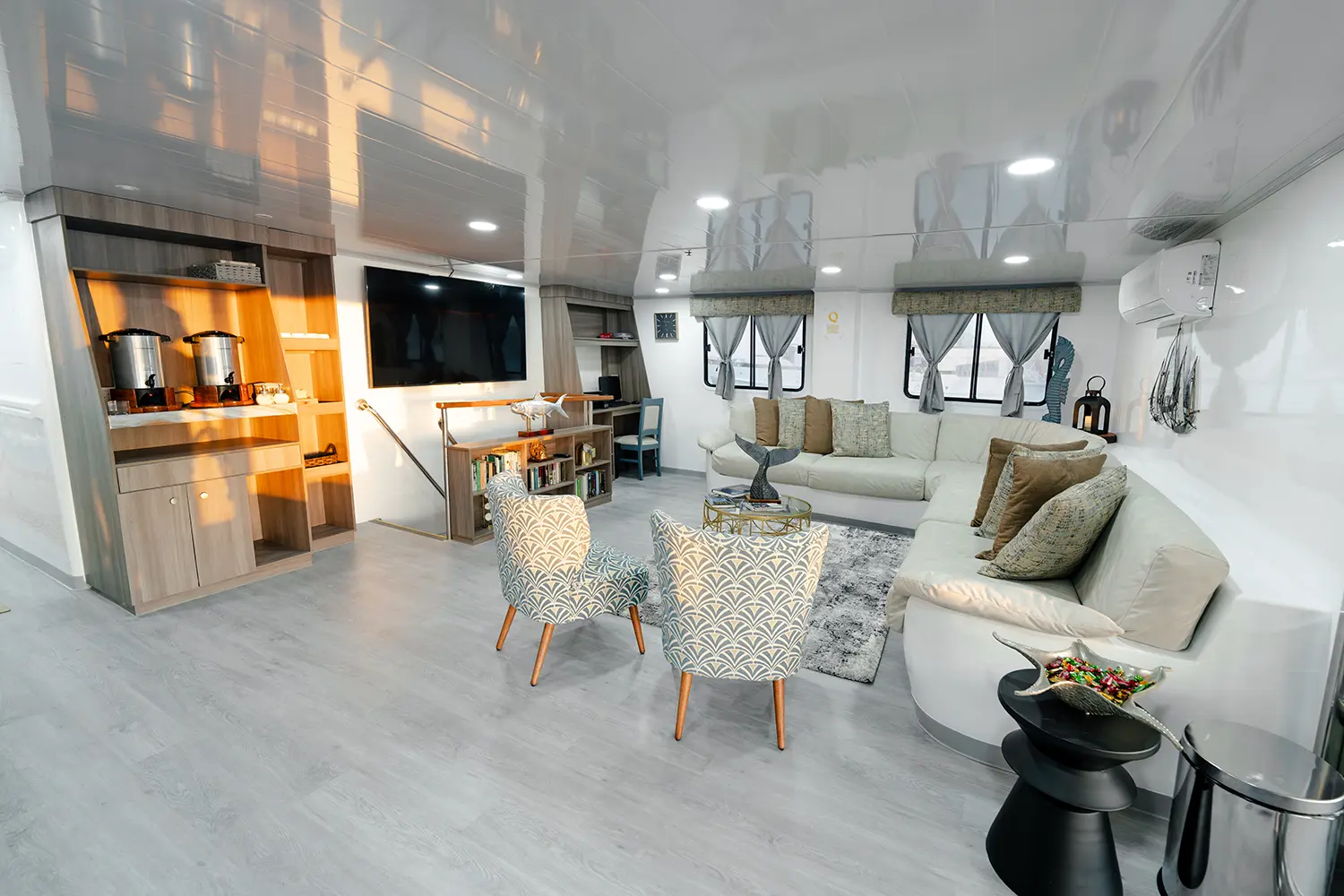
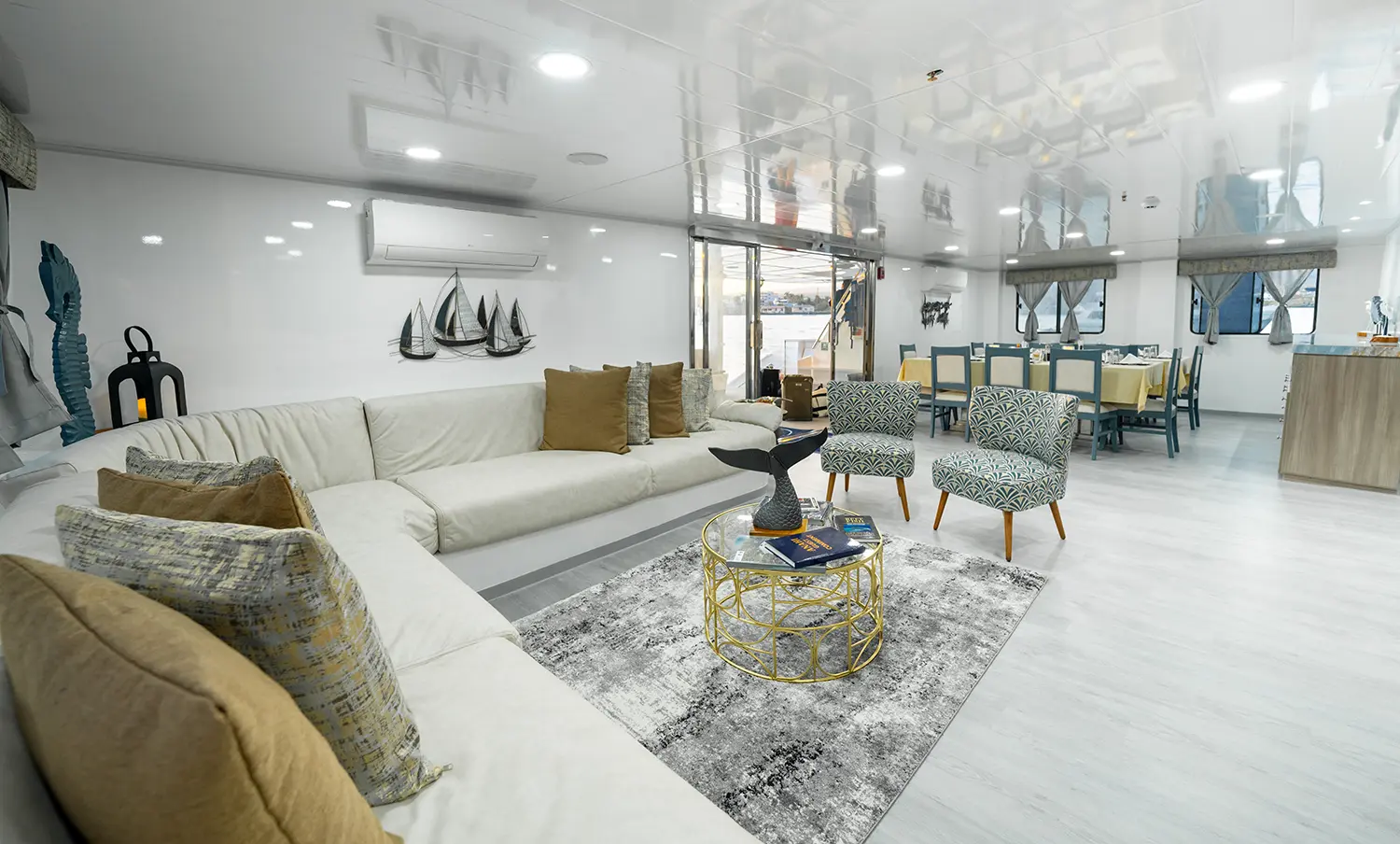
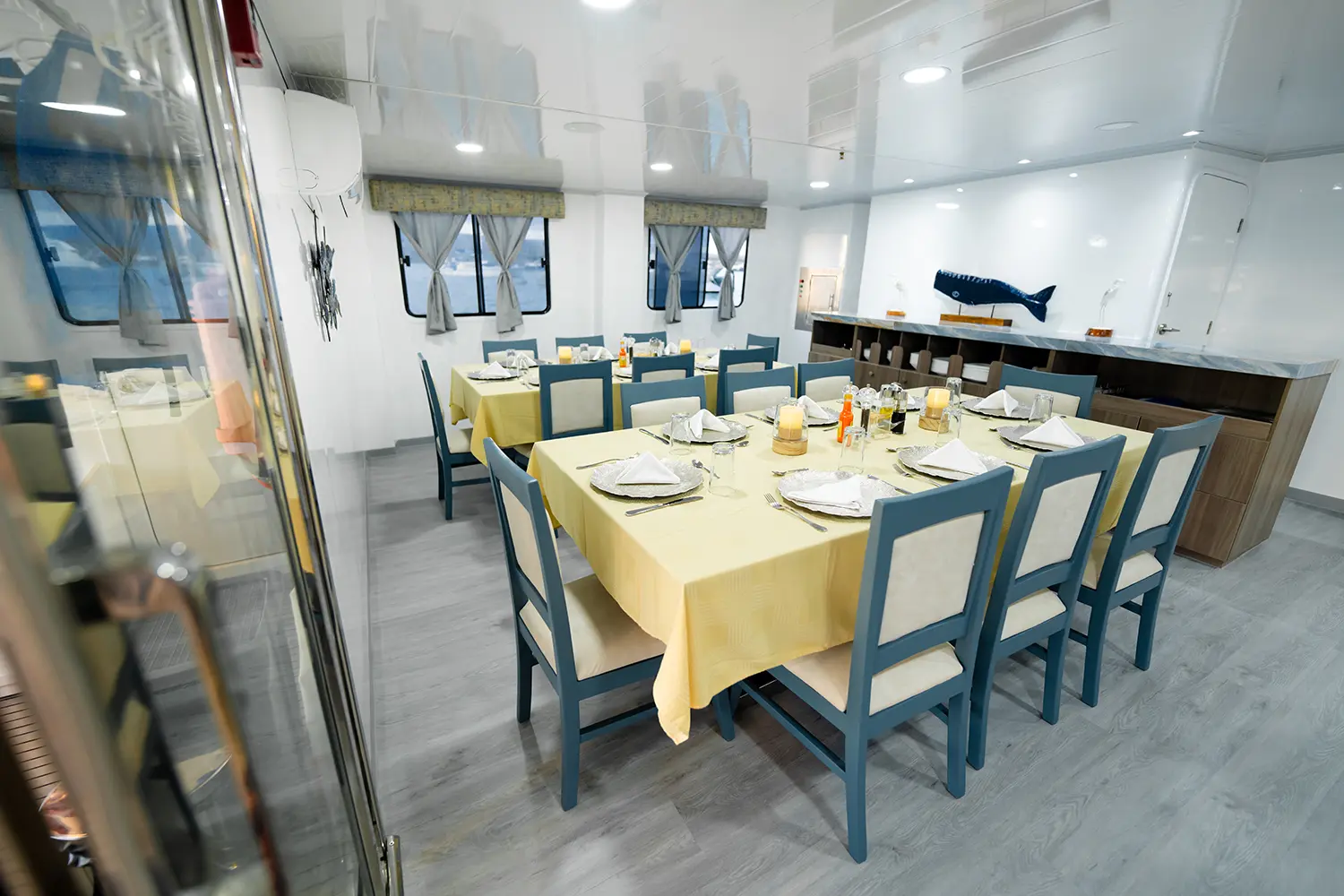
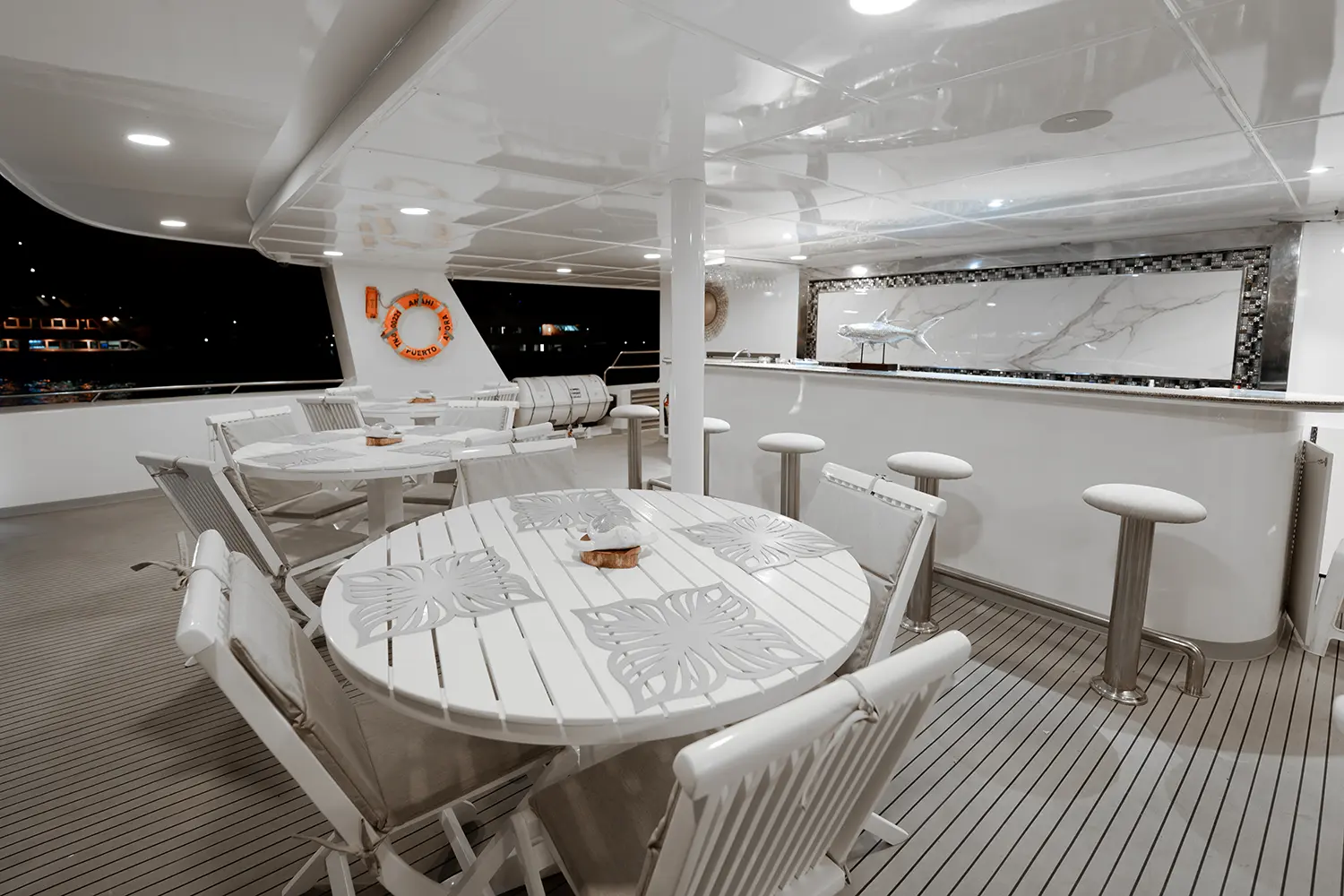
- Facilities: 6 double cabins with twin low beds, 2 suites, with private room, shower, A/C, hot/cold water, living room, dining room, small library, Jacuzy, and sundeck.
Dates & Rates
To request a quote or make a reservation let's start with your details...*
Get in touch with us
Explore more of
Tourist Superior Boats
Galapagos Tourist Superior boat tours offer a fantastic balance of comfort and immersive exploration of the islands. These mid-range vessels provide comfortable cabins, excellent service, delicious meals, and knowledgeable naturalist guides. Expect well-planned itineraries with daily excursions for wildlife viewing, snorkeling, and hiking across various islands, offering a memorable and enriching Galapagos experience with added comfort and style compared to the tourist class.