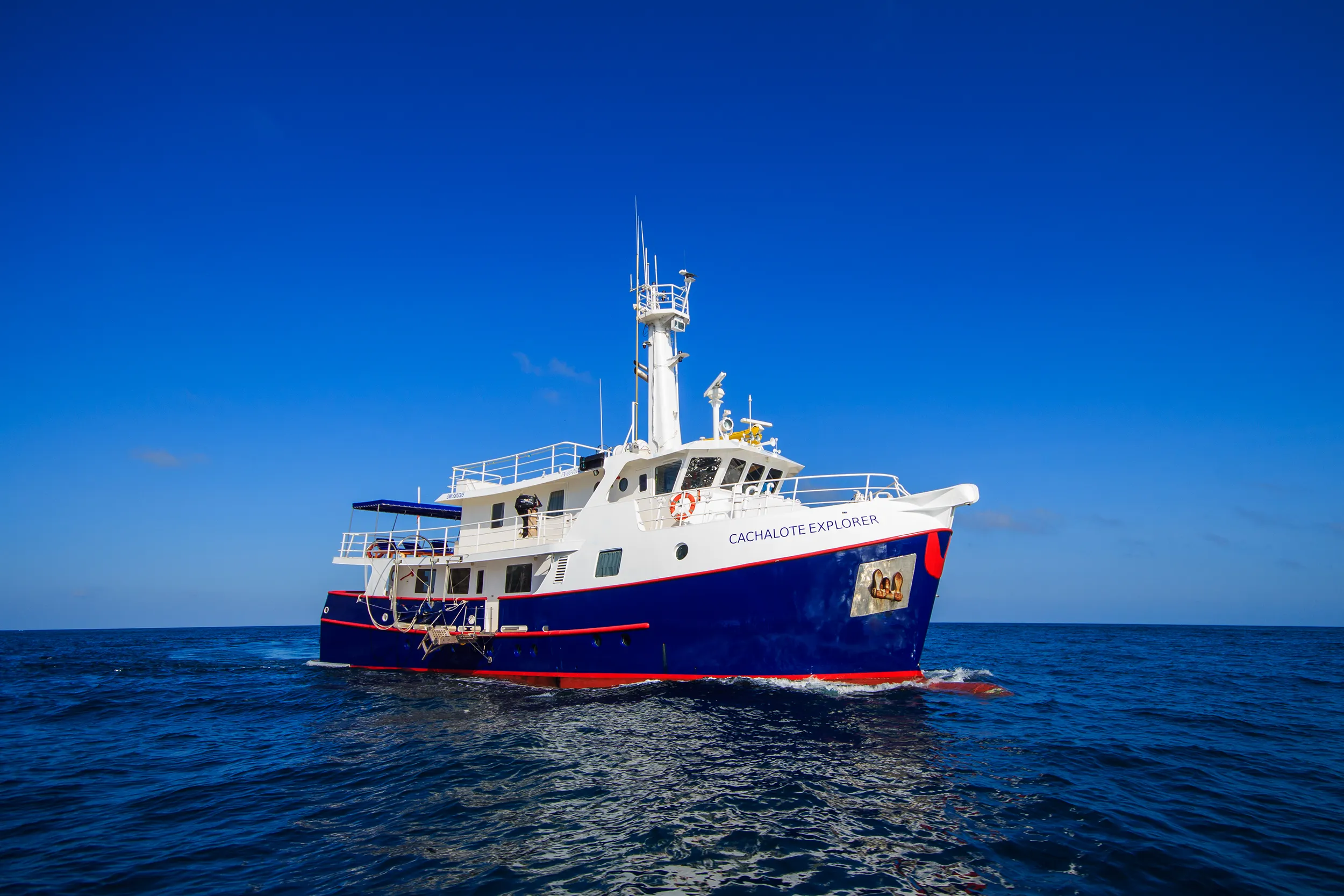
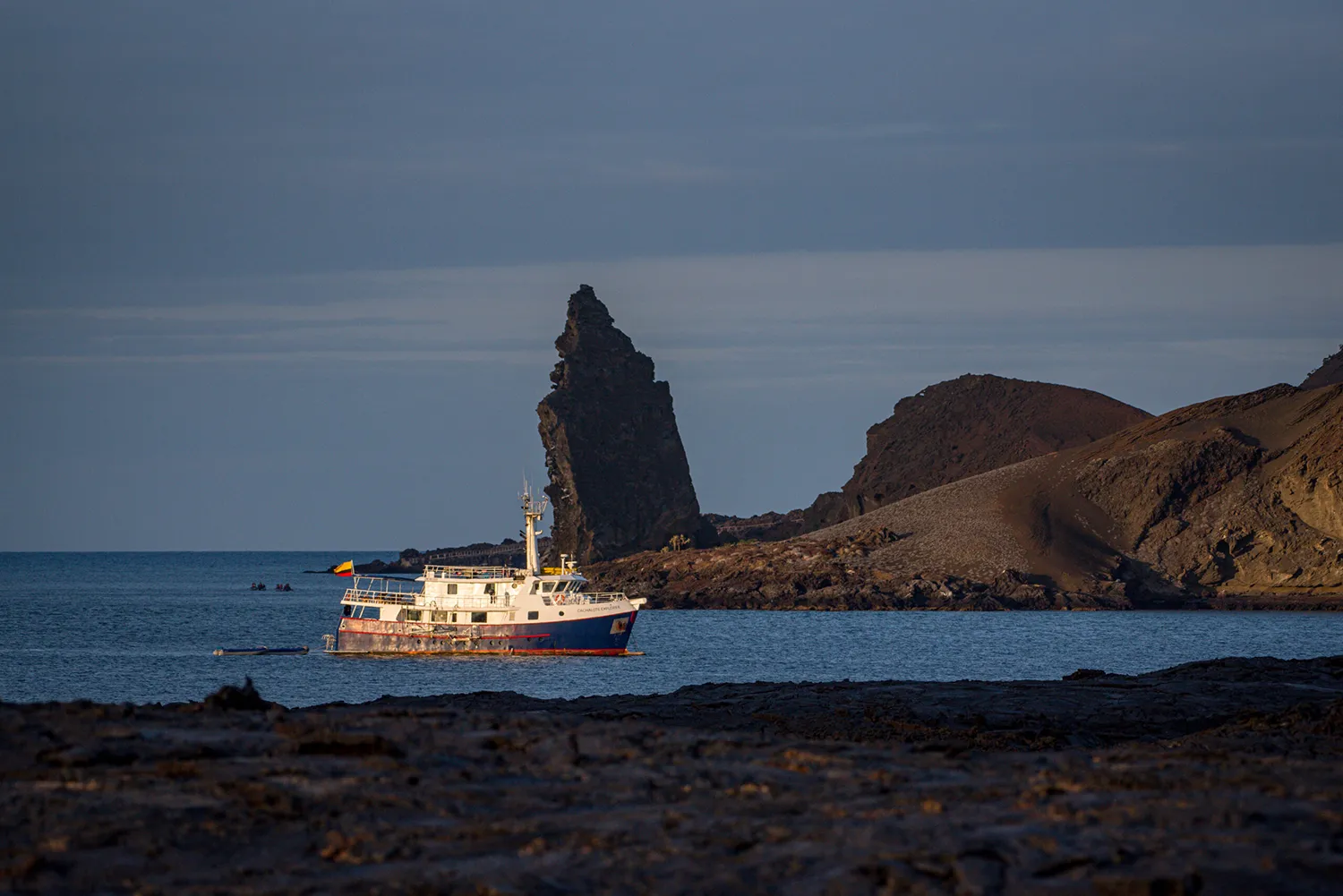
Galapagos cruise ship, Cachalote
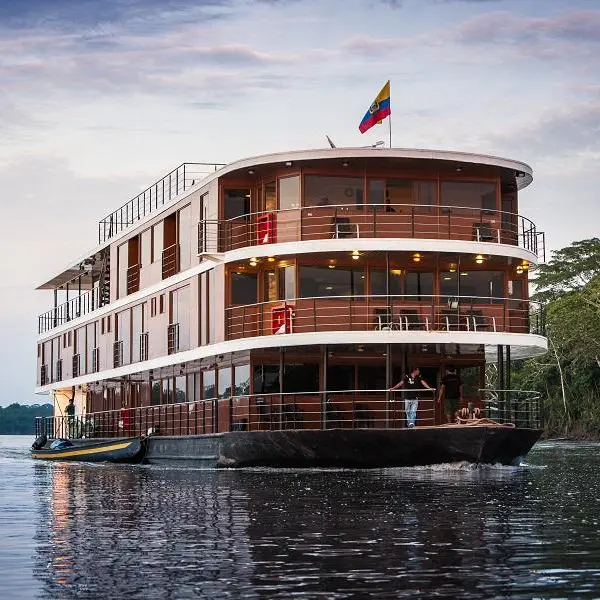
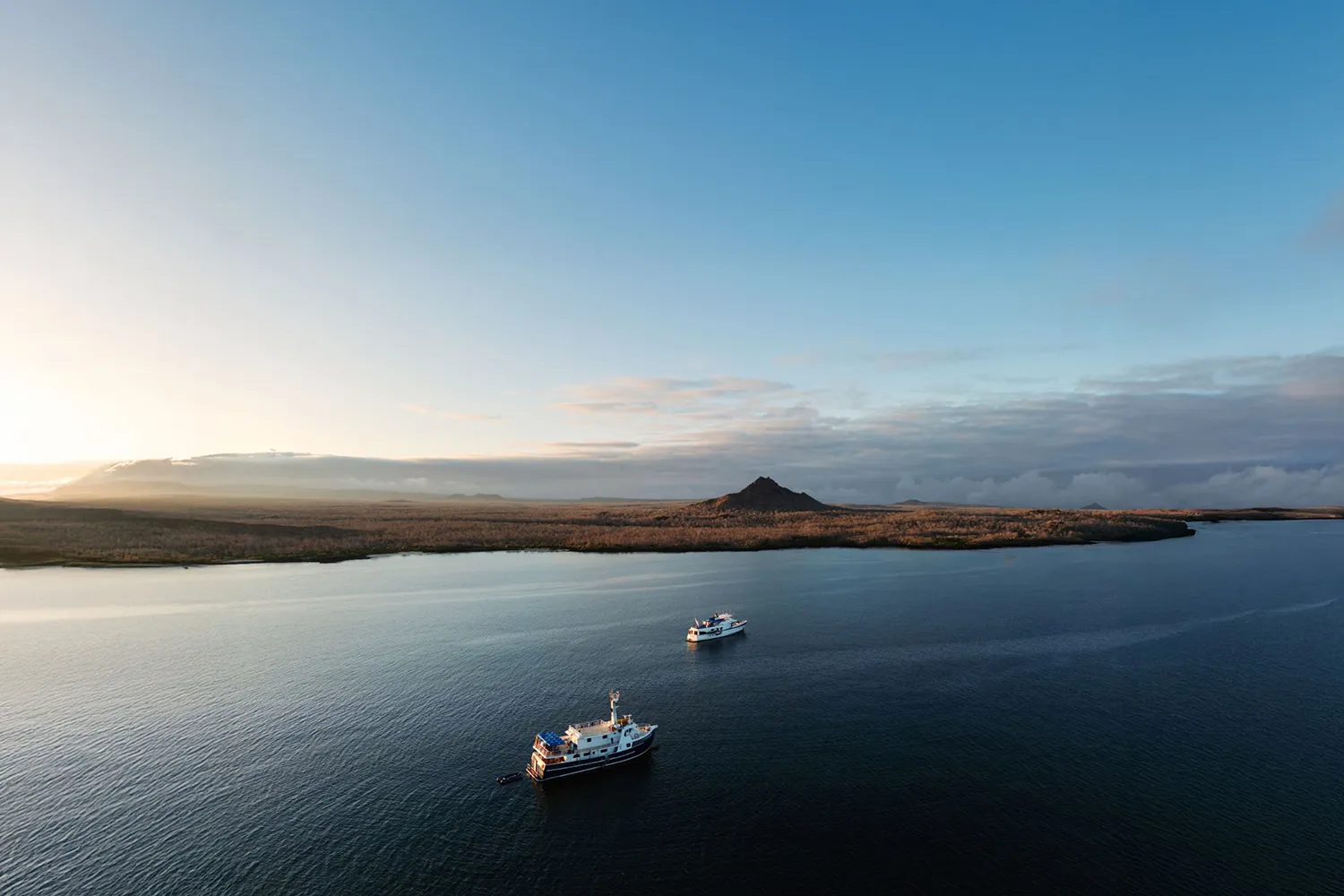
This charming and comfortable First-Class yacht Cachalote was built for the rough waters of the Canadian West Coast, so it will provide a stable, smooth and relaxing ride while on your beautiful Galapagos expedition on a small ship tour.
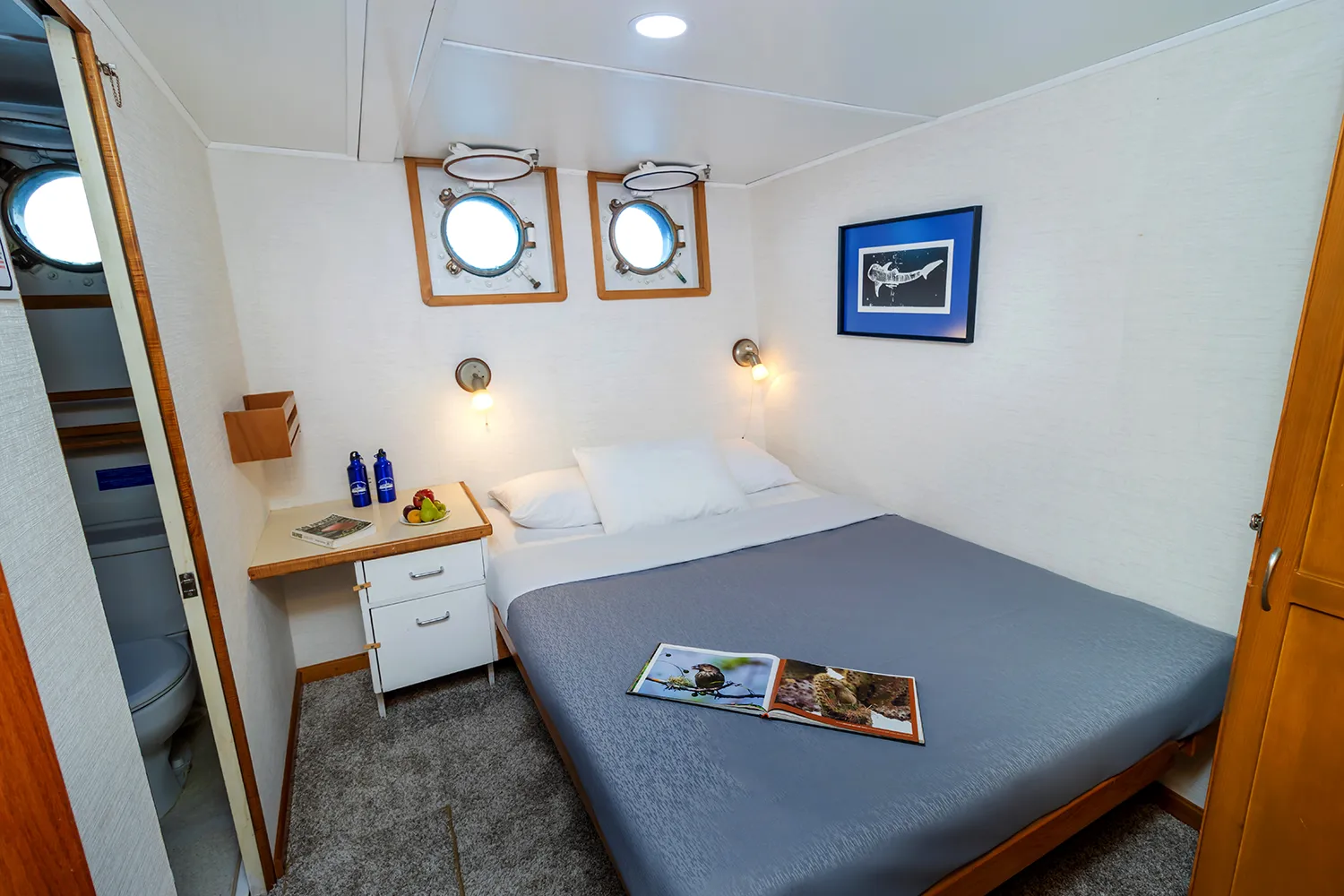
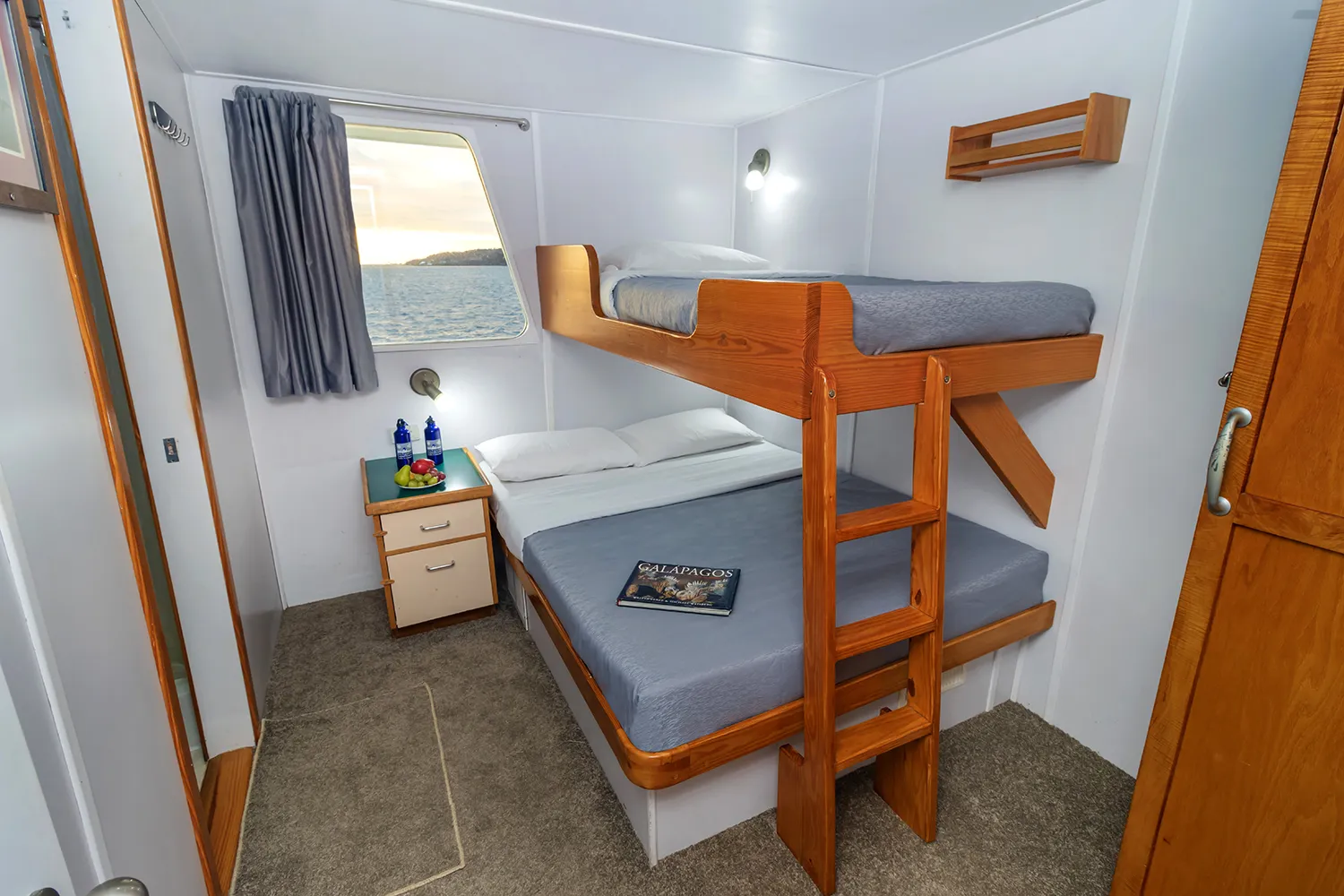
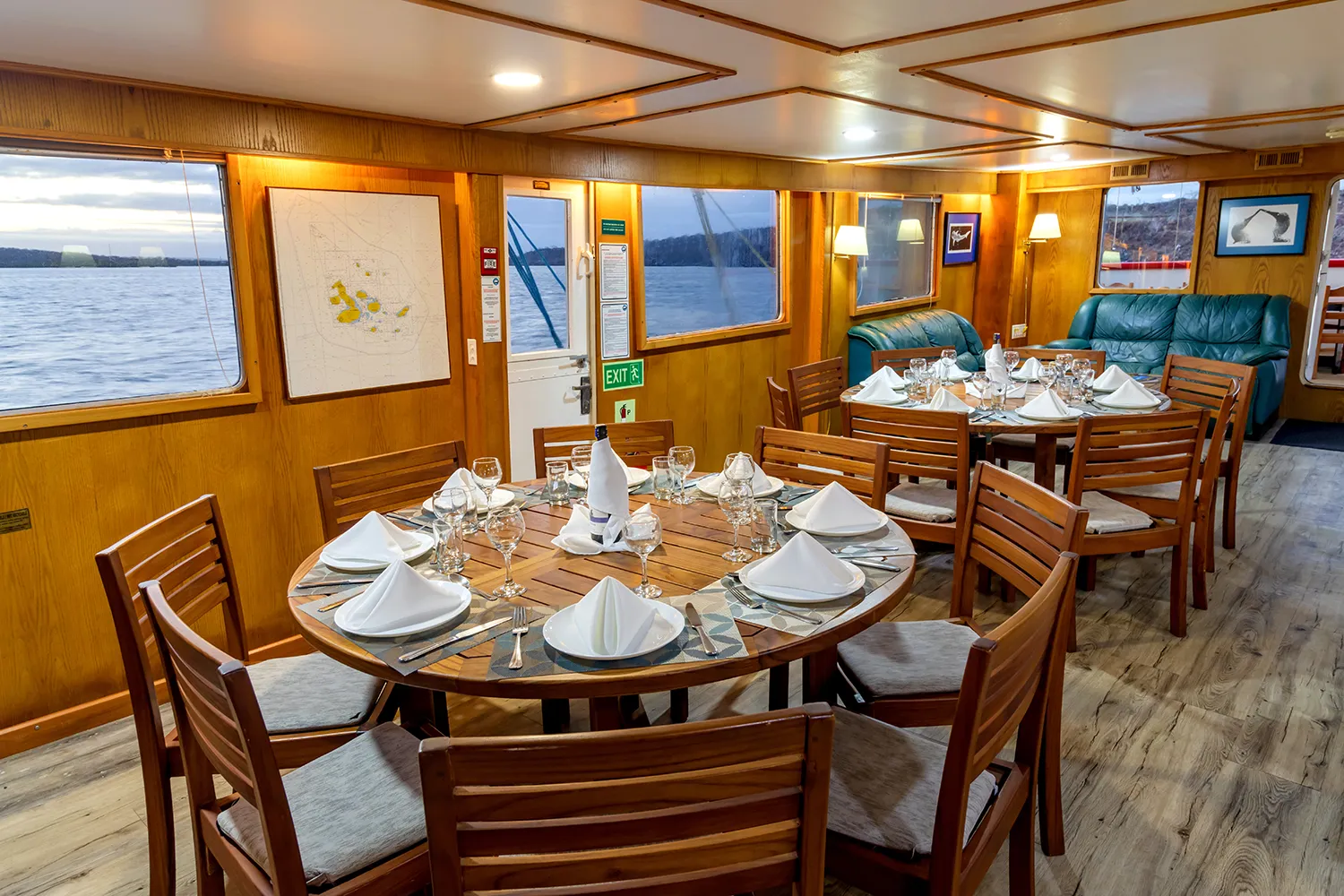
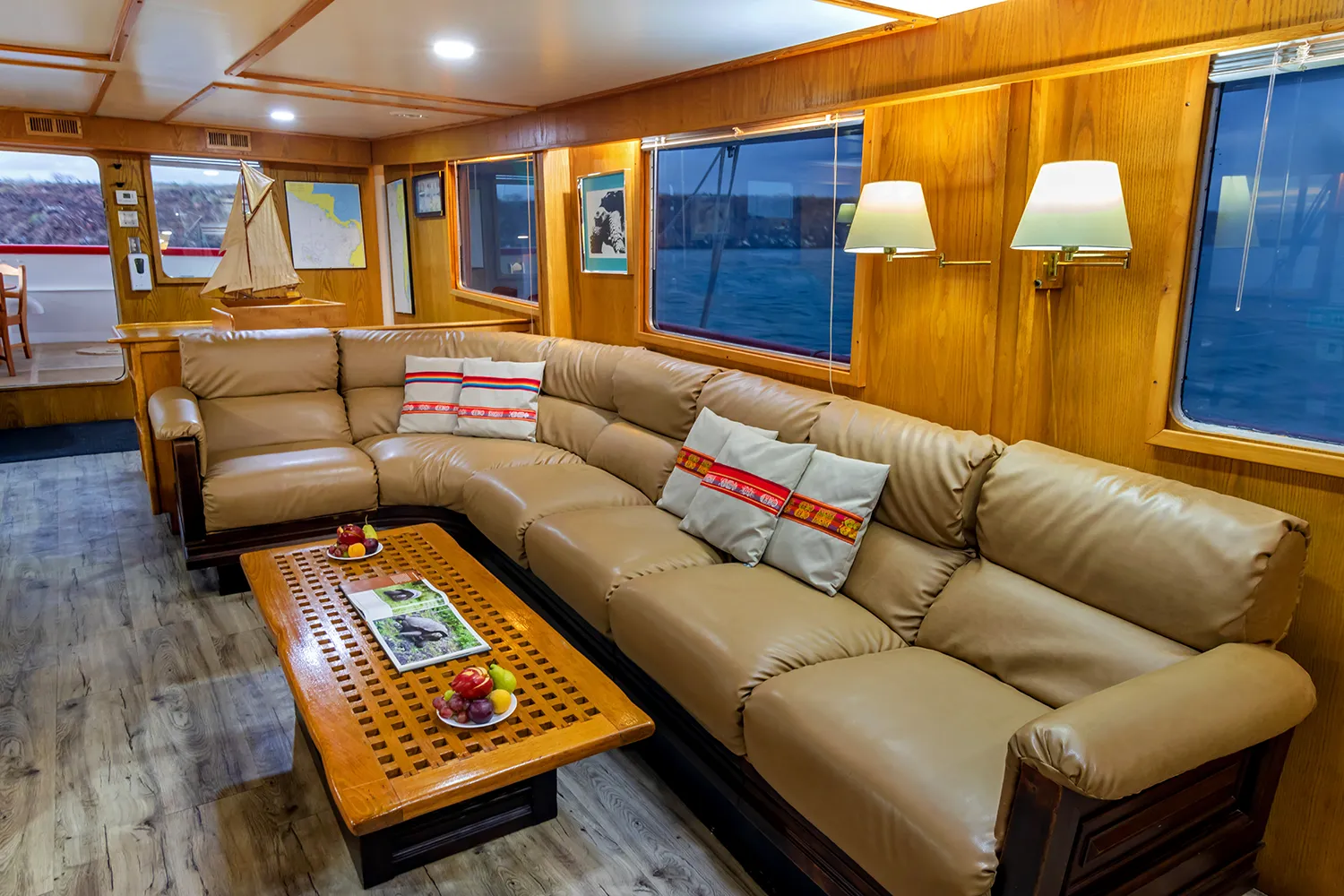
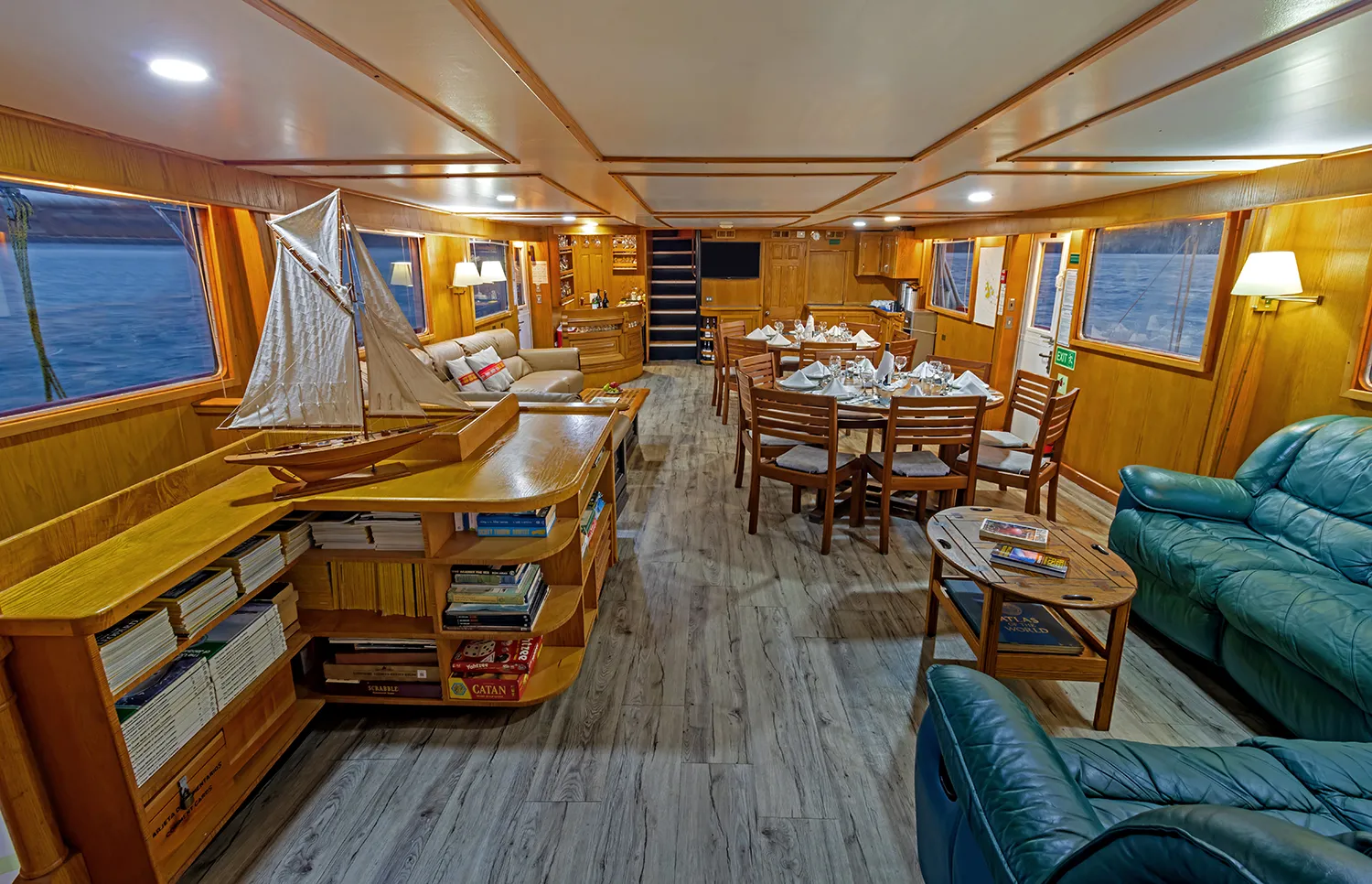
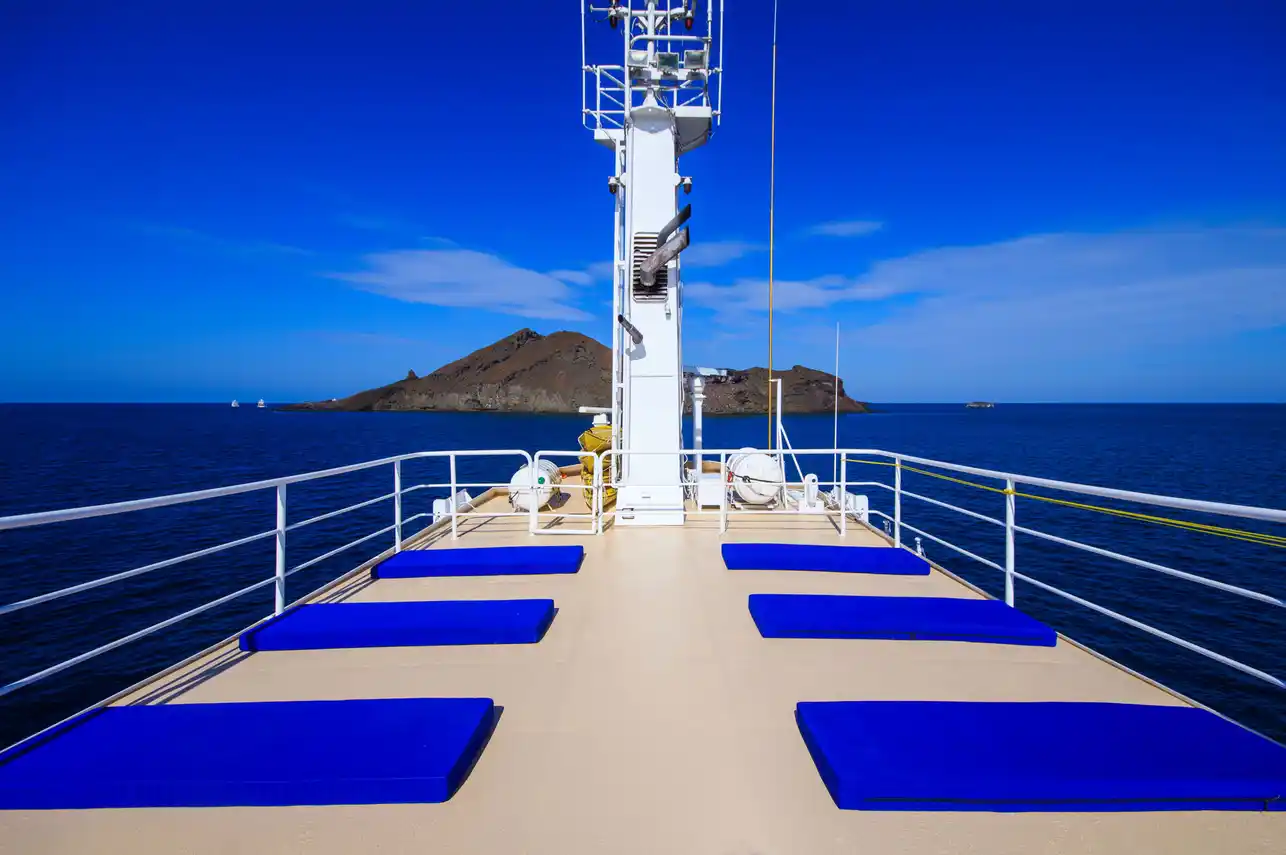
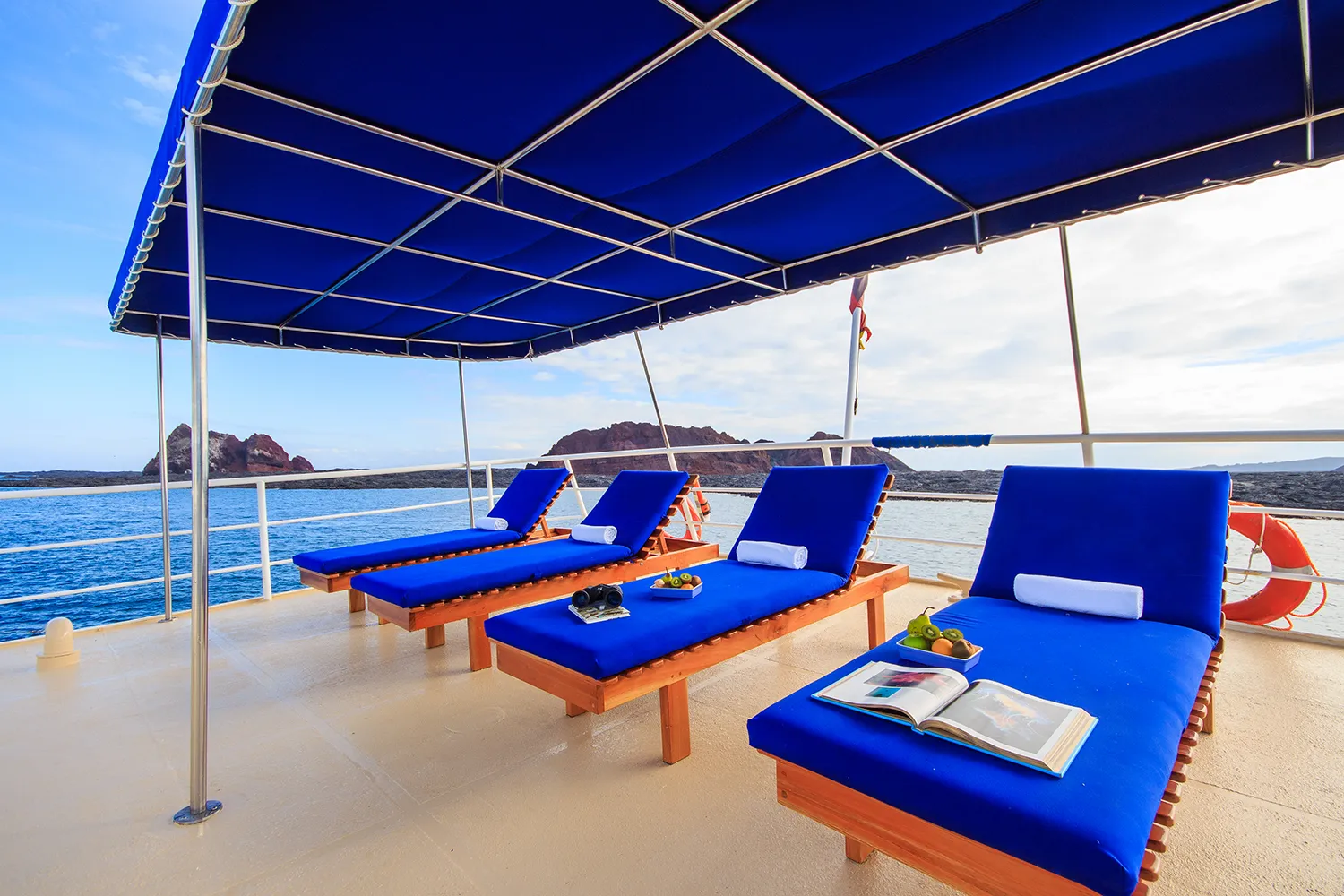
This Galapagos cruise ship can accommodates 16 passengers in 8 cabins each with their own private bathroom equipped with hot & cold water shower, and air-conditioned. The Cachalote Explorer has a large salon & dining area with multiple large deck areas for relaxing, eating and socializing.
Itinerary
Itinerary 6D/5N Isabela (Friday to Wednesday)
Day 1: Baltra - Isabela
Upon arrival at the airport, transfer to Santa Cruz Island to take the 14h00 speed boat departure to Isabela island. Arrive at Puerto Villamil at 16h00 approximately and transfer to the Cachalote Explorer.
Day 2: Isabela
Isabela is the largest of the Galapagos Islands formed by five active volcanoes fused together. Wolf Volcano is the highest point in the entire Galapagos at 1707m.
Punta Moreno: Punta Moreno is located in the central southwestern coast of Isabela Island. The site has spectacular views of volcanoes Alcedo, Sierra Negra and Cerro Azul. Some highlights include impressive lava flows, desolate and pristine landscape, varied and unusual arid zone vegetation.
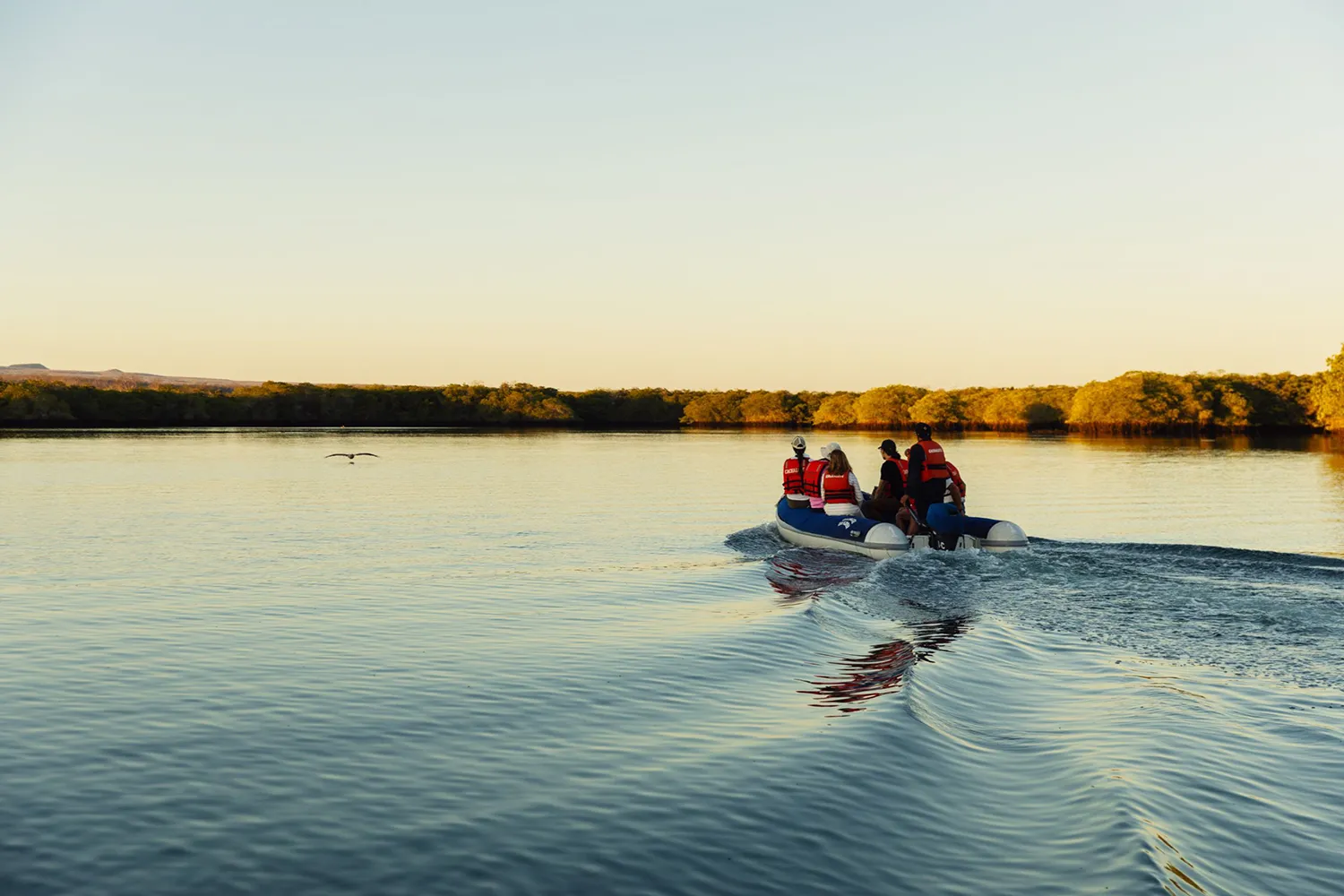
Elizabeth Bay: This spot is only accessible by dinghy. It is possible to see penguins on the small islets in the bay. The end of the bay is long and narrow surrounded by three species of mangroves. Galapagos Sea Turtles and rays can usually be seen in the water.
Day 3: Isabela
Urbina Bay: Urbina Bay is located at the central-west coast of Isabela Island at the foothills of Alcedo and Darwin volcanoes. Highlights include the colourful land iguanas, Galapagos Giant tortoises and the coral uplifting from 1954.
Tagus Cove: Tagus Cove is a natural harbor where centuries ago whalers and pirates left their ship’s names painted or carved on the rocks. A walk uphill to Darwin’s Crater salt-water lake will provide an excellent view.
Day 4: Fernandina - Isabela
Fernandina Island: Fernandina is the youngest volcanic island and is still active.
Punta Espinoza: Punta Espinoza is a place famous for its large colonies of marine iguanas and as the habitat of unique species like the flightless cormorant, Galapagos penguin, Galapagos hawk, Galapagos snake, among others.
Isabela Island
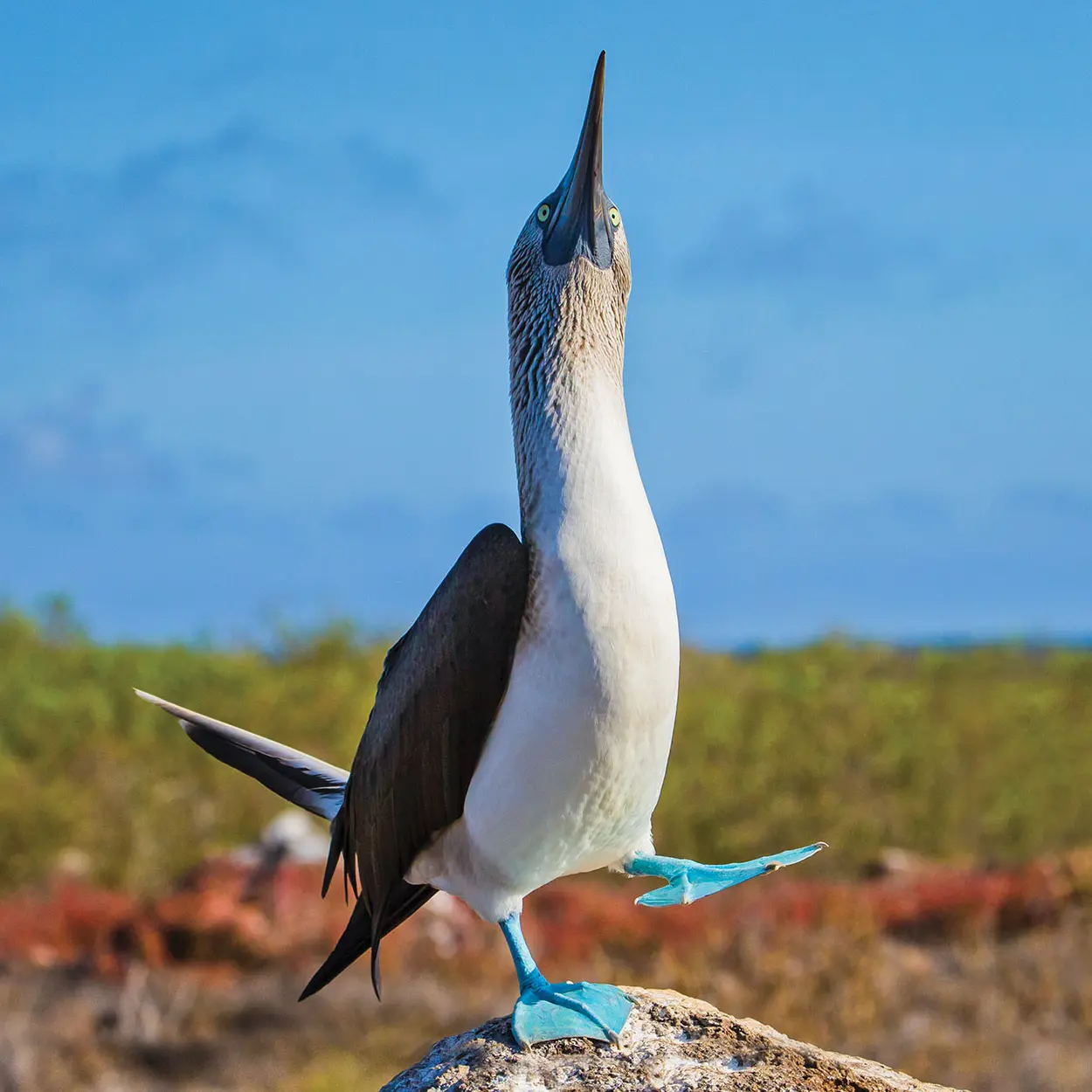
Punta Vicente Roca: This site is visited by dinghy rides along the cliffs or the partially sunken cave at the water’s edge. Nasca boobies, blue-footed boobies and flightless cormorants inhabit the shoreline.
Day 5: James (Santiago) - Bartolome
James (Santiago) Island: This Island is located between Isabela and Santa Cruz Islands. This Island offers a wide variety of seabirds, marine iguanas and fur seals.
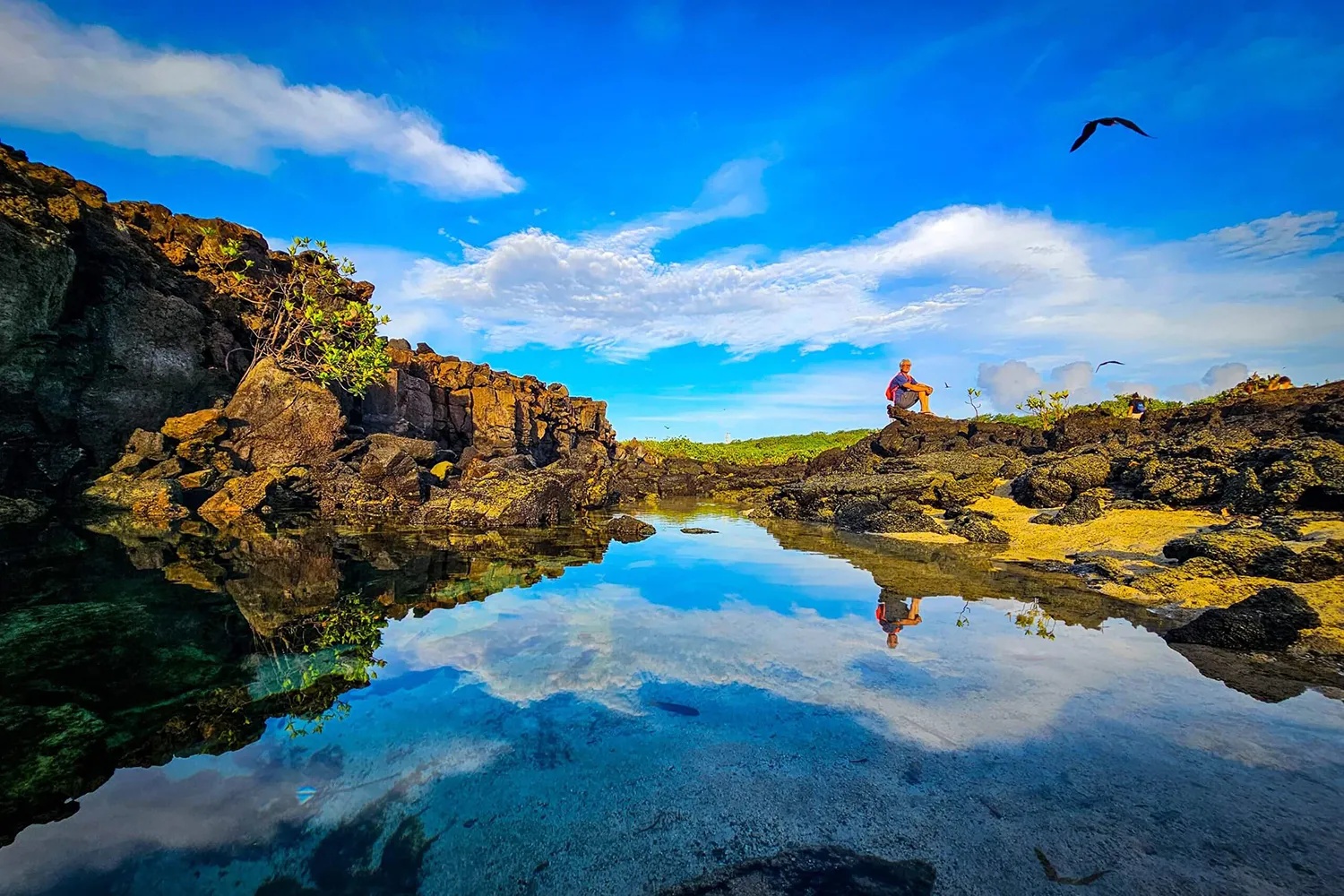
Puerto Egas: A walk along the rocky coast line that will you show you a view of some of Galapagos’ best tide pools. Some highlights include: Sugar loaf volcano, fur seals, oystercatchers, marine iguana colony, and old salt mine
Bartolome Island: A hike will take you to the highest point on Bartolome for a spectacular view. Sea lions and penguins can be seen around Pinnacle Rock. There is a sandy beach with great swimming and snorkeling.
Day 6: North Seymour - Baltra
North Seymour Island: This flat piece of land originated after an uplifting event thousands of years ago. The island is home to endemic Palo Santo trees, colonies of blue-footed boobies, swallow tailed gulls, and magnificent frigate birds.
Baltra: Return flight to Quito
Itinerary 6D/5N Hood (Friday to Wednesday)
Day 1: Baltra - San Cristobal
San Cristóbal Island (Chatham): San Cristóbal is the easternmost island of Galapagos and also one of the oldest.
Galapaguera & El Junco: The lagoon is the only fresh water reservoir in Galapagos and has great views from its altitude of 700m in the highlands of San Cristóbal. Rainwater has collected in the caldera for hundreds of years and formed this lagoon.
Galapaguera is a good area to see tortoises in their natural environment.
Day 2: Española (Hood)
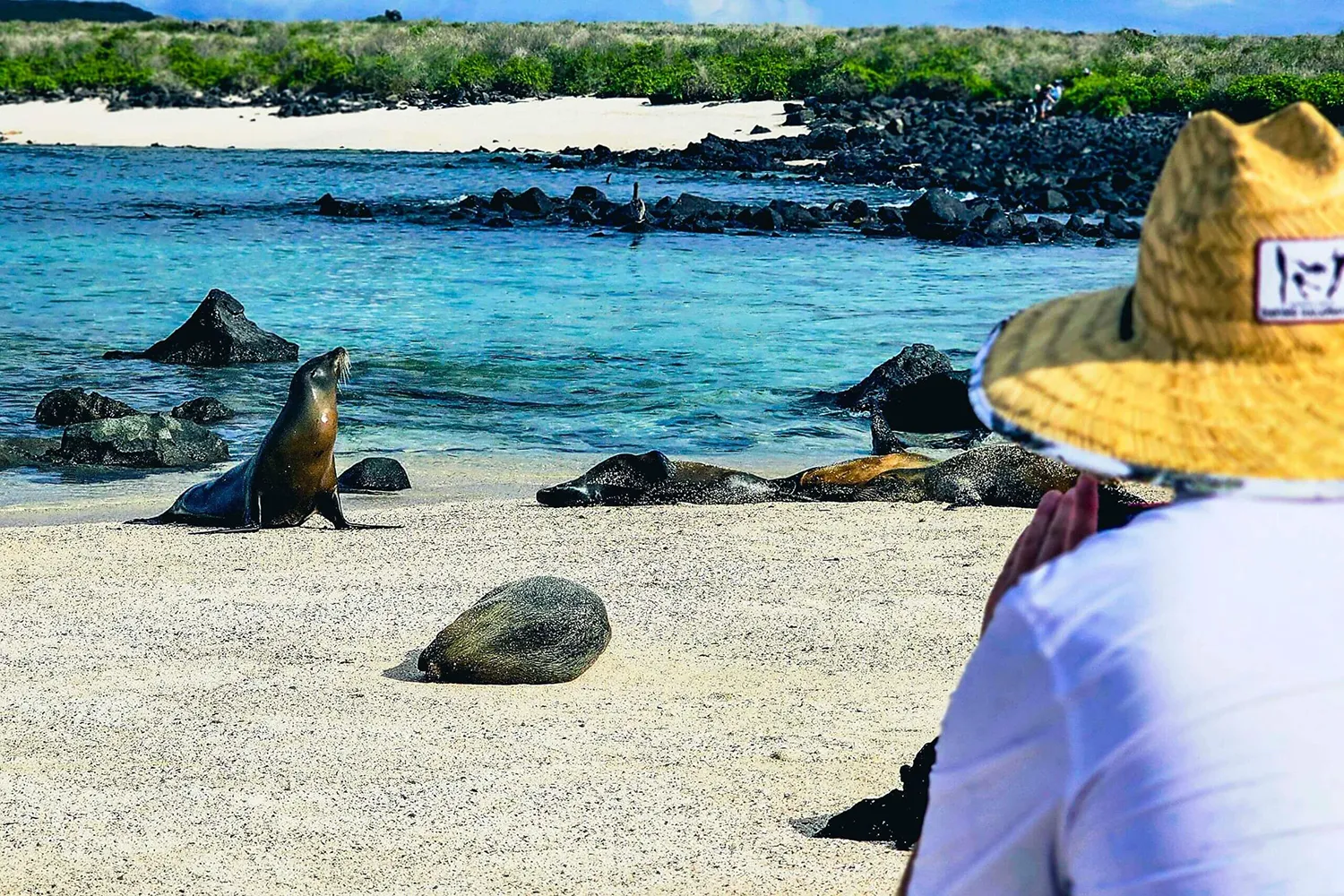
Gardner Bay: Located on the northeast of the island, the site has a long and beautiful white sand beach inhabited by sea lion colonies.
Islote Garnder and Islote Osborn: These islets are snorkeling sites where visitors will see an abundance of tropical fish, reef sharks, and turtles.
Punta Suarez: The wildlife at Punta Suarez is plentiful and varied. Along the cliff visitors can enjoy the blowhole where seawater is forced about 20m into the air. The highlights are the Waved albatross (April-Dec) that are only found on Hood, Galapagos Hawks, blue-footed boobies, Ñasca boobies, and Española lava lizards.
Day 3: Floreana
Punta Cormorant: Punta Cormorant has two contrasting beaches and a large inland lagoon where pink flamingoes can be seen.
Devil’s Crown: This is a snorkeling site located just off Punta Cormorant. The site is a completely submerged volcano that has eroded to create the appearance of a jagged crown.
Post Office Bay: This is one of the few sites visited for its human history. Visit the wooden mail barrel where letters are dropped off and picked up and remains of the Norwegian fishing village.
Day 4: Santa Cruz - James (Santiago)
Santa Cruz Island (Indefatigable): Dragon Hill is located in the northwestern side of Santa Cruz Island. Some highlights include small lagoons with flamingos, Palo Santo trees, and Opuntia cactus.
James Island (Santiago): James Island is located between Isabela and Santa Cruz Islands. This Island offers a wide variety of seabirds, marine iguanas and fur seals.
Sullivan Bay: This site is of great geological interest. Highlights: 100 hundred year old lava flow field, pahoehoe formations, and lava bubbles.
Day 5: Tower (Genovesa)
El Barranco: There is a good possibility of seeing the unique “Short eared owl” at this site. During the dinghy rides along the cliffs fur seals and several species of seabirds can be spotted.
Darwin Bay: The steep cliffs of this area dominate the island. This area is home to thousands of frigate birds, red-footed boobies, Noddy terns, lava gulls, tropicbirds, doves, storm petrels and Darwin’s finches.
Day 6: Daphne - Baltra
Daphne Mayor is a small tuff cone island where many species of birds nest. Famous for a 20 year study of Darwin’s Finches conducted by Peter and Rosemary Grant. During the circumnavigation you will see blue-footed boobies, nasca boobies, red-billed tropicbirds and other sea life.
Baltra: Return flight to Quito
Itinerary 8D/ 7N Fernandina ( Wednesday - Wednesday)
Day 1: Baltra - Santa Cruz
Santa Cruz Island
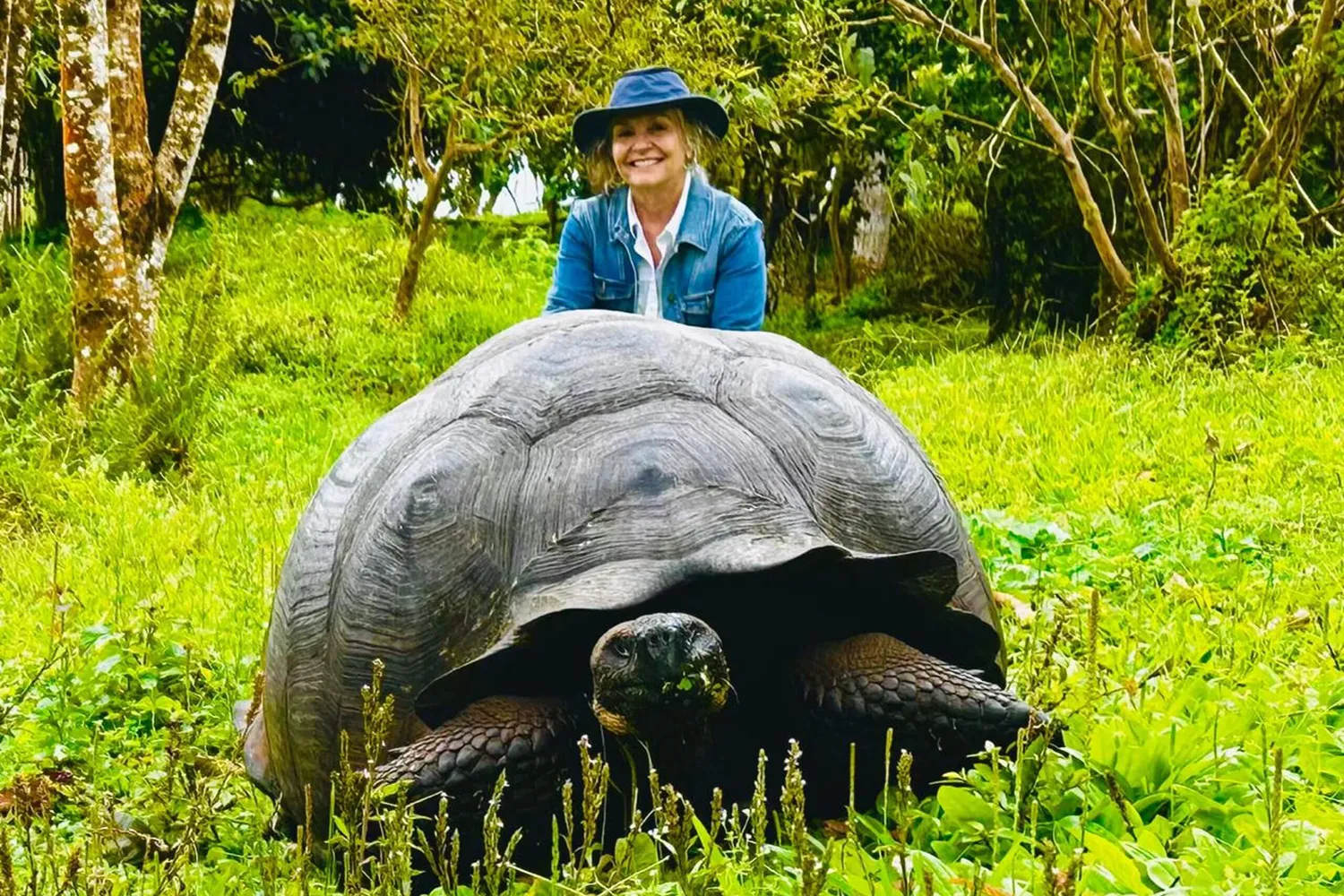
Highlands of Santa Cruz: Galapagos giant tortoises can be seen in the wild in the highlands of Santa Cruz
Charles Darwin Station: Visit the Charles Darwin Station is a research facility and National Park Information center. The Charles Darwin Station has a giant tortoise and land iguana breeding program and interpretation center.
Day 2: Chinese Hat - Rábida
Sombrero Chino (Chinese Hat) Island: Sombrero Chino is a small volcanic island just off the southeast tip of Santiago. The name of the island describes the shape of the island. Fauna includes Sea lions, marine iguanas and the Galapagos penguin.
Rábida (Jervis): Rábida is a small island with a dark red coral sand beach. Highlights include the lagoon with flamingoes, pelican nesting site, sea lion bachelor colony, and a snorkeling site at the end of the beach.
Day 3: Isabela
Sierra Negra : Volcan Sierra Negra has a caldera with a diameter of 10km. View recent lava flows, moist highland vegetation, and parasitic cones.
Puerto Villamil: Puerto Villamil is a charming small town on a white sand beach. Highlights include the Tortoise Breeding Station and the flamingo lagoon. Other visits (depending on conditions) are the Tintoreras or Los Humedales.
Day 4: Isabela
Punta Moreno: Punta Moreno is located in the central southwestern coast of Isabela Island. The site has spectacular views of volcanoes Alcedo, Sierra Negra and Cerro Azul. Some highlights include impressive lava flows, desolate and pristine landscape, varied and unusual arid zone vegetation.
Elizabeth Bay: This spot is only accessible by dinghy. It is possible to see penguins on the small islets in the bay. The end of the bay is long and narrow surrounded by three species of mangroves. Galapagos Sea Turtles and rays can usually be seen in the water.
Day 5: Isabela
Urbina Bay: Urbina Bay is located at the central-west coast of Isabela Island at the foothills of Alcedo and Darwin volcanoes. Highlights include the colourful land iguanas, Galapagos Giant tortoises and the coral uplifting from 1954.
Tagus Cove: Tagus Cove is a natural harbor where centuries ago whalers and pirates left their ship’s names painted or carved on the rocks. A walk uphill to Darwin’s Crater salt-water lake will provide an excellent view.
Day 6: Fernandina - Isabela
Fernandina Island: Fernandina is the youngest volcanic island and is still active.
Punta Espinoza: Punta Espinoza is a place famous for its large colonies of marine iguanas and as the habitat of unique species like the flightless cormorant, Galapagos penguin, Galapagos hawk, Galapagos snake, among others.
Isabela Island
Punta Vicente Roca: This site is visited by dinghy rides along the cliffs or the partially sunken cave at the water’s edge. Nasca boobies, blue-footed boobies and flightless cormorants inhabit the shoreline.
Day 7: James (Santiago) - Bartolome
James (Santiago) Island: This Island is located between Isabela and Santa Cruz Islands. This Island offers a wide variety of seabirds, marine iguanas and fur seals.
Puerto Egas: A walk along the rocky coast line that will you show you a view of some of Galapagos’ best tide pools. Some highlights include: Sugar loaf volcano, fur seals, oystercatchers, marine iguana colony, and old salt mine
Bartolome Island: A hike will take you to the highest point on Bartolome for a spectacular view. Sea lions and penguins can be seen around Pinnacle Rock. There is a sandy beach with great swimming and snorkeling.
Day 8: North Seymour - Baltra
North Seymour Island: This flat piece of land originated after an uplifting event thousands of years ago. The island is home to endemic Palo Santo trees, colonies of blue-footed boobies, swallow tailed gulls, and magnificent frigate birds.
Baltra: Return flight to Quito
Itinerary 8D/ 7N Tower ( Wednesday - Wednesday)
Day 1: Baltra - Santa Cruz
Highlands of Santa Cruz: Galapagos giant tortoises can be seen in the wild in the highlands of Santa Cruz
Charles Darwin Station: Visit the Charles Darwin Station is a research facility and National Park Information center. The Charles Darwin Station has a giant tortoise and land iguana breeding program and interpretation center.
Day 2: South Plaza - Santa Fe
South Plaza Island: Plazas consists of two very small islands that were uplifted from the sea, separated by a channel. Only South Plazas has a visitor site. The highlights include tall Opuntia cactus, land and marine iguanas, rocky cliff that looks out towards open ocean which is also a nesting site for red-billed tropic birds and gulls, and a seal lion bachelor colony.
Santa Fe Island: Santa Fe is a smaller island of 24 km2. The visitor site Santa Fe is located on the northeast end of the island. Highlights include Santa Fe land iguanas, pelican nesting site, sea lion colony, mockingbird, and Palo Santo trees.
Day 3: San Cristóbal
Witch Hill: Witch Hill (Cerro Brujo) is a volcanic cone that looks over a beautiful white sandy beach which has plenty of sea lions, pelicans, blue-footed boobies, waders and marine iguanas.
Galapaguera & El Junco: The lagoon is the only fresh water reservoir in Galapagos and has great views from its altitude of 700m in the highlands of San Cristóbal. Rainwater has collected in the caldera for hundreds of years and formed this lagoon.
Galapaguera is a good area to see tortoises in their natural environment.
Day 4: Española (Hood)
Gardner Bay: Located on the northeast of the island, the site has a long and beautiful white sand beach inhabited by sea lion colonies.
Islote Garnder and Islote Osborn: These islets are snorkeling sites where visitors will see an abundance of tropical fish, reef sharks, and turtles.
Punta Suarez: The wildlife at Punta Suarez is plentiful and varied. Along the cliff visitors can enjoy the blowhole where seawater is forced about 20m into the air. The highlights are the Waved albatross (April-Dec) that are only found on Hood, Galapagos Hawks, blue-footed boobies, Nasca boobies, and Española lava lizards.
Day 5: Floreana
Punta Cormorant: Punta Cormorant has two contrasting beaches and a large inland lagoon where pink flamingoes can be seen.
Devil’s Crown: This is a snorkeling site located just off Punta Cormorant. The site is a completely submerged volcano that has eroded to create the appearance of a jagged crown.
Post Office Bay: This is one of the few sites visited for its human history. Visit the wooden mail barrel where letters are dropped off and picked up and remains of the Norwegian fishing village.
Day 6: Santa Cruz - James (Santiago)
Santa Cruz Island (Indefatigable): Dragon Hill is located in the northwestern side of Santa Cruz Island. Some highlights include small lagoons with flamingos, Palo Santo trees, and Opuntia cactus.
James Island (Santiago): James Island is located between Isabela and Santa Cruz Islands. This Island offers a wide variety of seabirds, marine iguanas and fur seals.
Sullivan Bay: This site is of great geological interest. Highlights: 100 hundred year old lava flow field, pahoehoe formations, and lava bubbles.
Day 7: Tower (Genovesa)
El Barranco: There is a good possibility of seeing the unique “Short eared owl” at this site. During the dinghy rides along the cliffs fur seals and several species of seabirds can be spotted.
Darwin Bay: The steep cliffs off this area dominate the island. This area is home to thousands of frigate birds, red-footed boobies, Noddy terns, lava gulls, tropicbirds, doves, storm petrels and Darwin’s finches.
Day 8: Daphne - Baltra
Daphne Mayor is a small tuff cone island where many species of birds nest. Famous for a 20 year study of Darwin’s Finches conducted by Peter and Rosemary Grant. During the circumnavigation you will see blue-footed boobies, nasca boobies, red-billed tropicbirds and other sea life.
Baltra: Return flight to Quito
Explore the
place you stay
- Category: Tourist Superior motor sailor
- Capacity: 16 guests
- Guide: 1 Naturalist guide
- Length: 88ft
- Beam: 24ft
- Crew: 8
- Facilities: 8 cabins each with private bath, hot/cold water showers. Combination of Queen, Double and Twin sized mattresses. Dining room, bar, library, ecologic ventilation system, TV, DVD, stereo, observation deck, sundeck.
Dates & Rates
To request a quote or make a reservation let's start with your details...*
What's Included
- Accommodation (sharing double cabins)
- Meals
- Excursions
- Guides
- Wetsuits
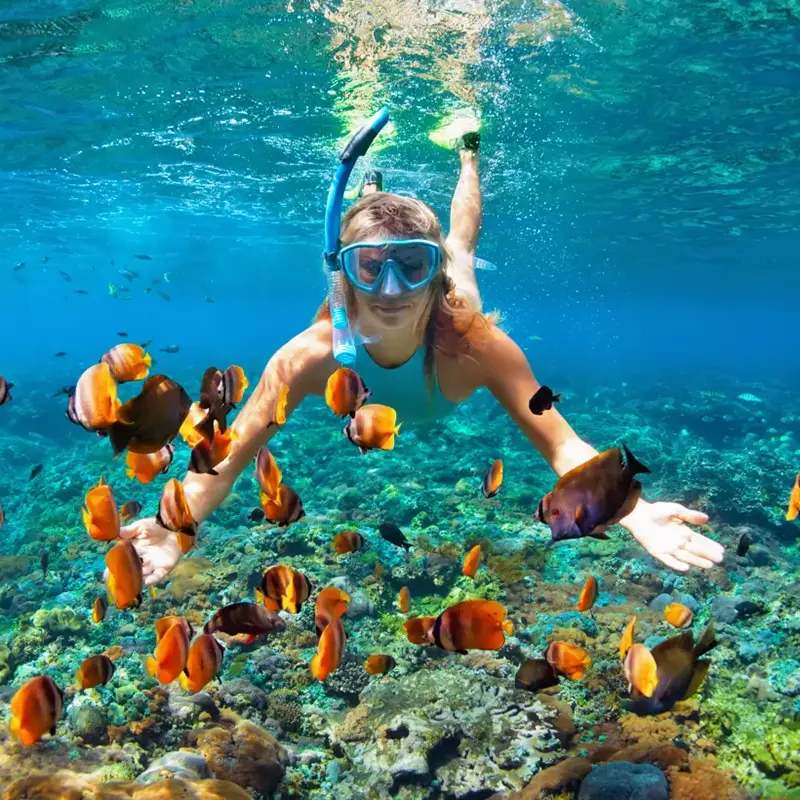
- Snorkel equipment.
What's Not Included
- Round-trip flight to the Galapagos.
- Soft and alcoholic drinks.
- Galapagos National Park entrance fee ($200 subject to change) and Transit Control Card ($20 subject to change).
- Personal travel insurance.
- Personal expenses, extras and tipping.
Get in touch with us
Explore more of
Tourist Superior Boats
Galapagos Tourist Superior boat tours offer a fantastic balance of comfort and immersive exploration of the islands. These mid-range vessels provide comfortable cabins, excellent service, delicious meals, and knowledgeable naturalist guides. Expect well-planned itineraries with daily excursions for wildlife viewing, snorkeling, and hiking across various islands, offering a memorable and enriching Galapagos experience with added comfort and style compared to the tourist class.