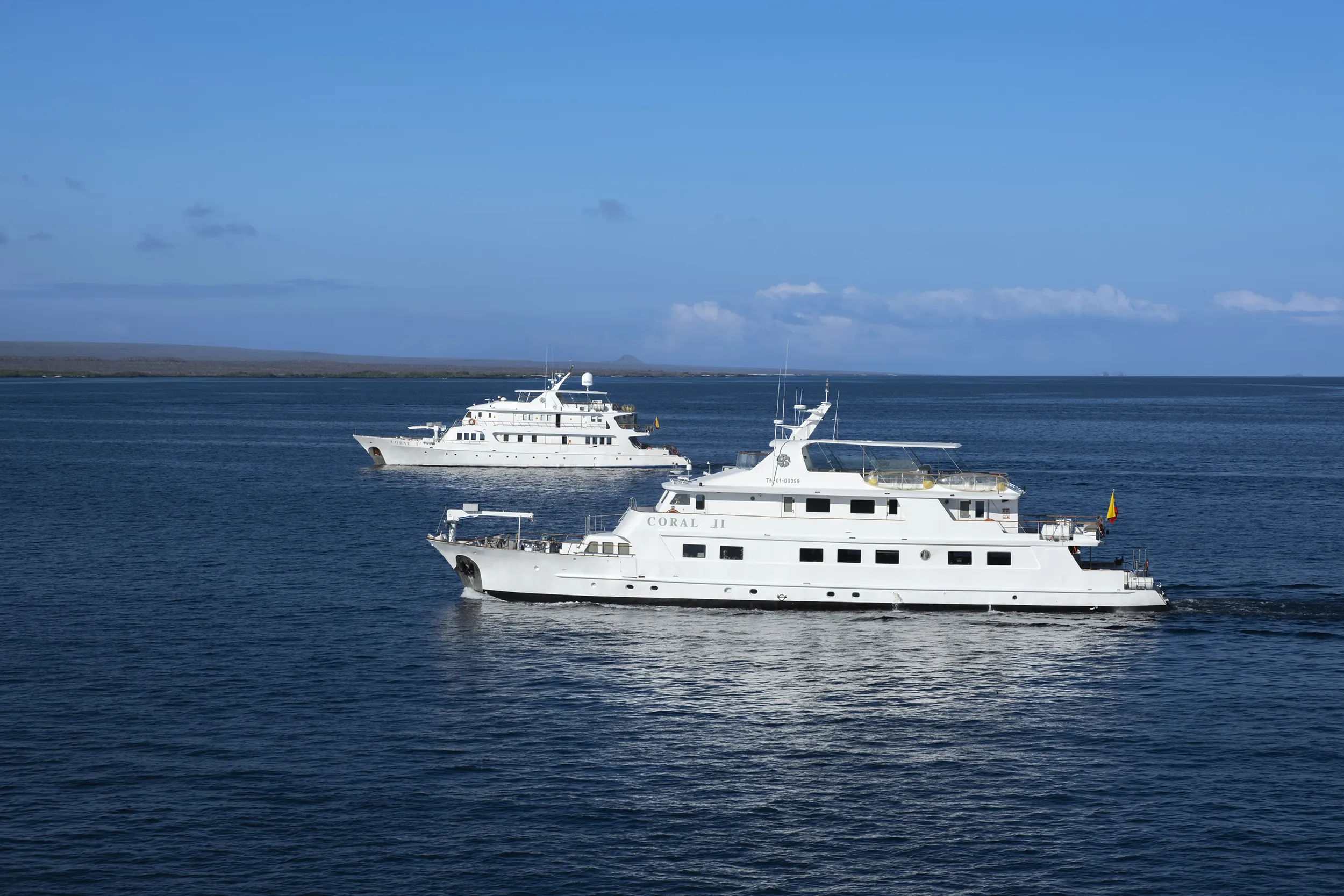
First-class Galapagos sister yachts, Coral I/II
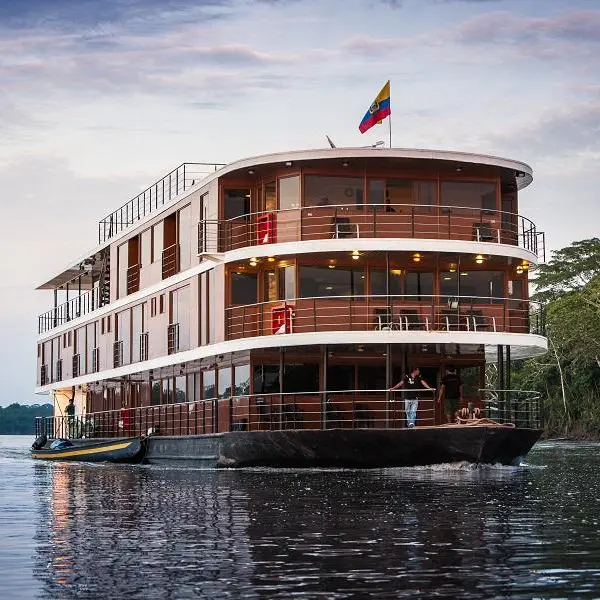
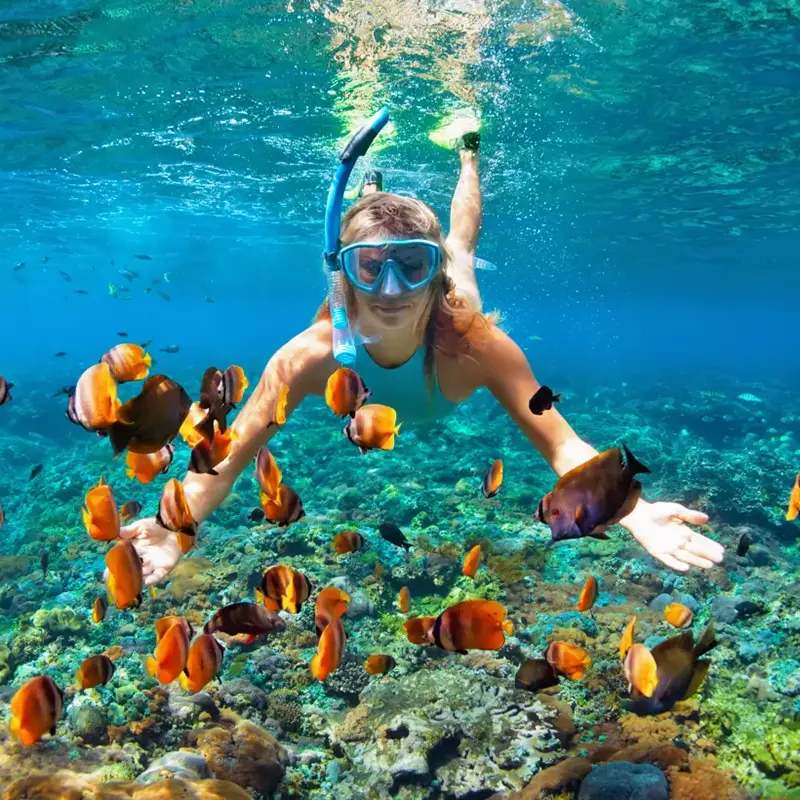
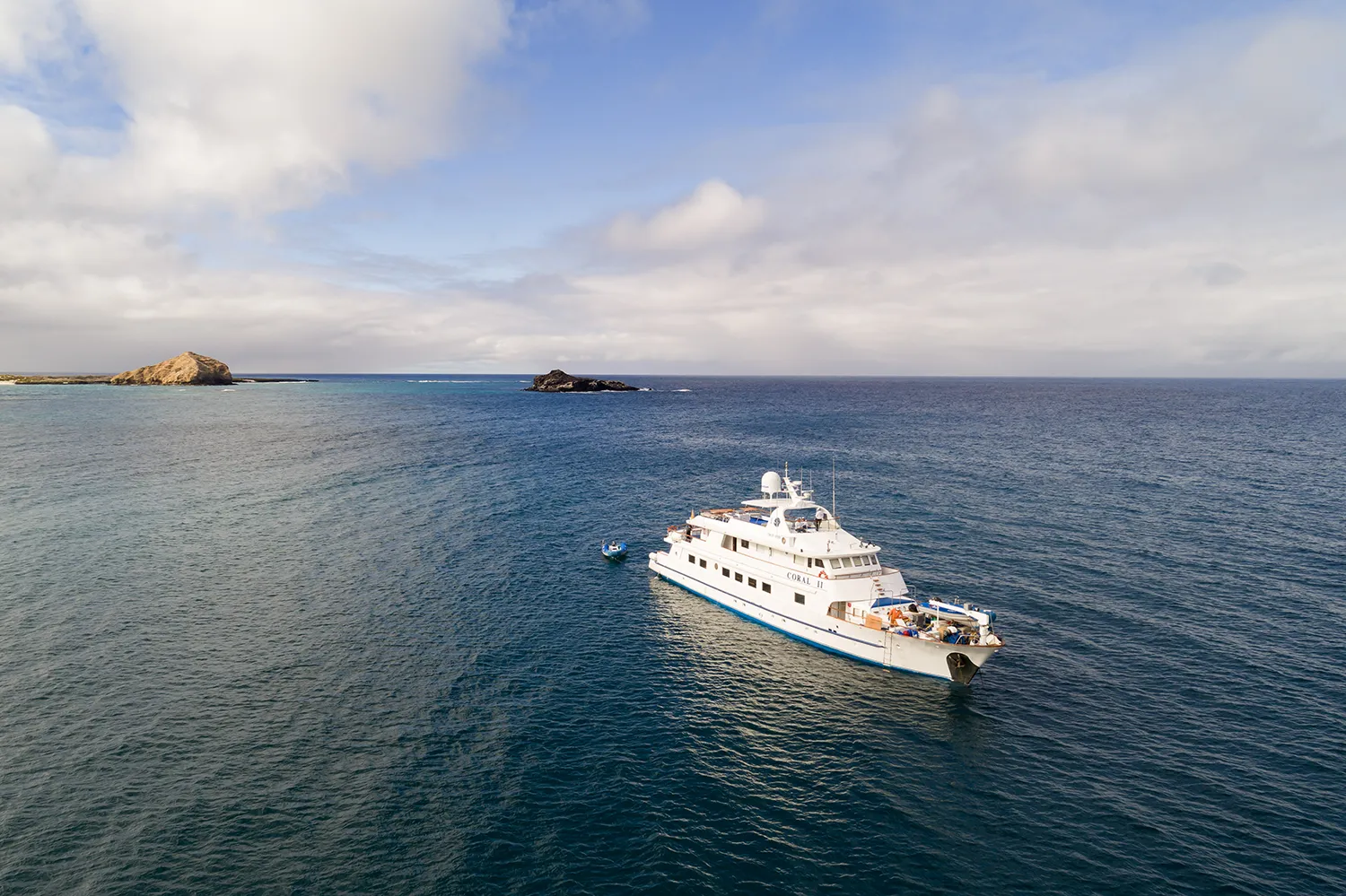
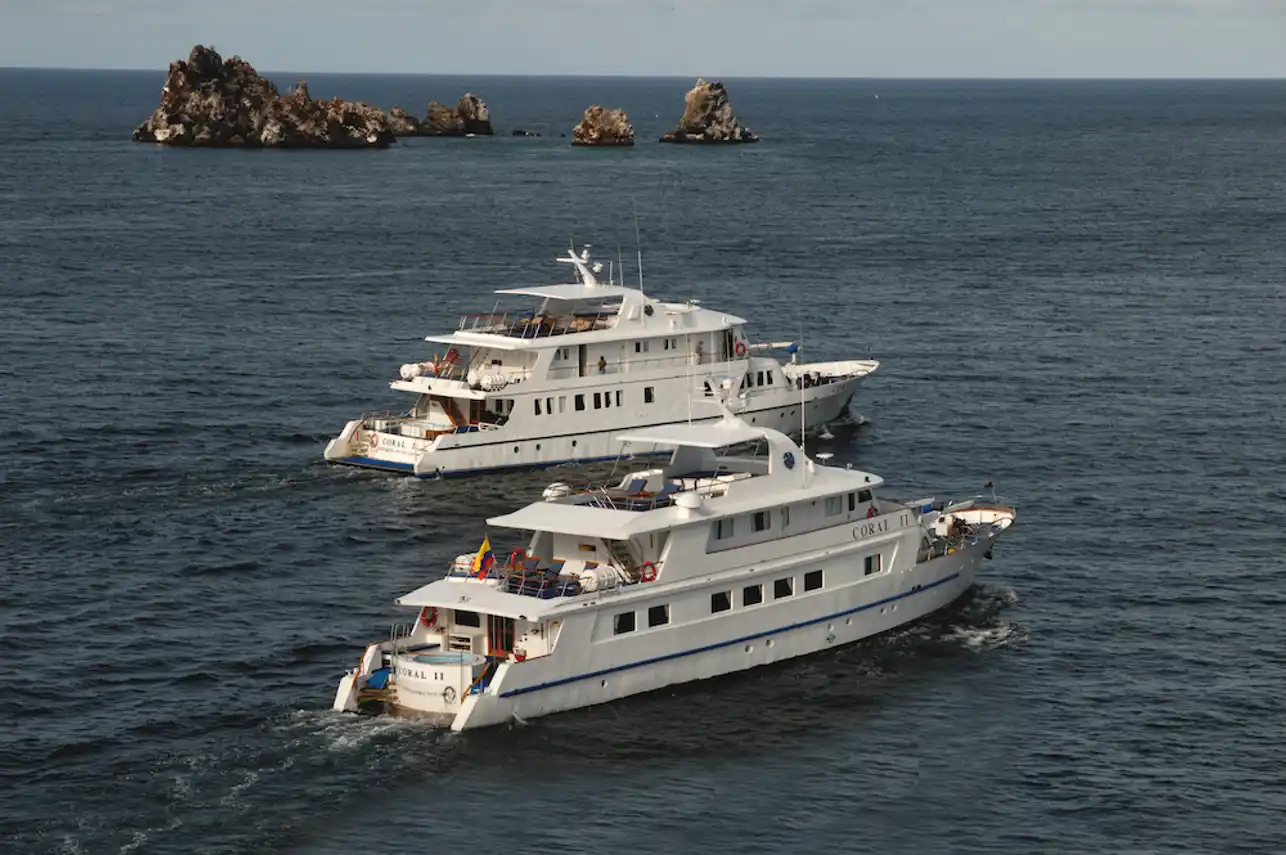
Embark the Coral I o Coral II on a journey to this magical Galapagos Islands, a sanctuary brimming with extraordinary biodiversity. Witness the amazing giant tortoises emblematic of this extraordinary archipelago. Enjoy a warm welcome with a refreshing cocktail before diving into guided walks, snorkeling, and other immersive activities. Bilingual guides provide insights into the islands’ history.
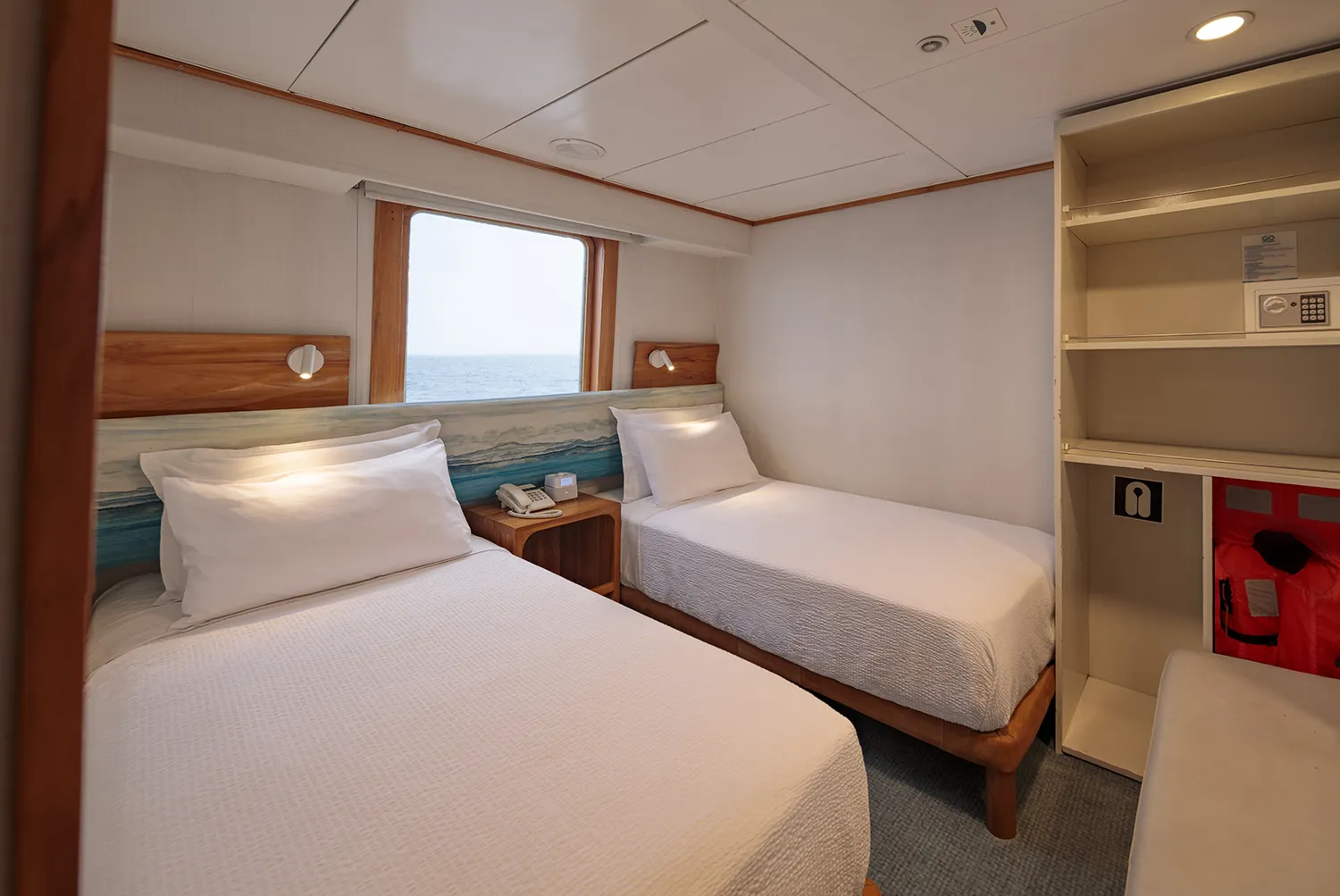
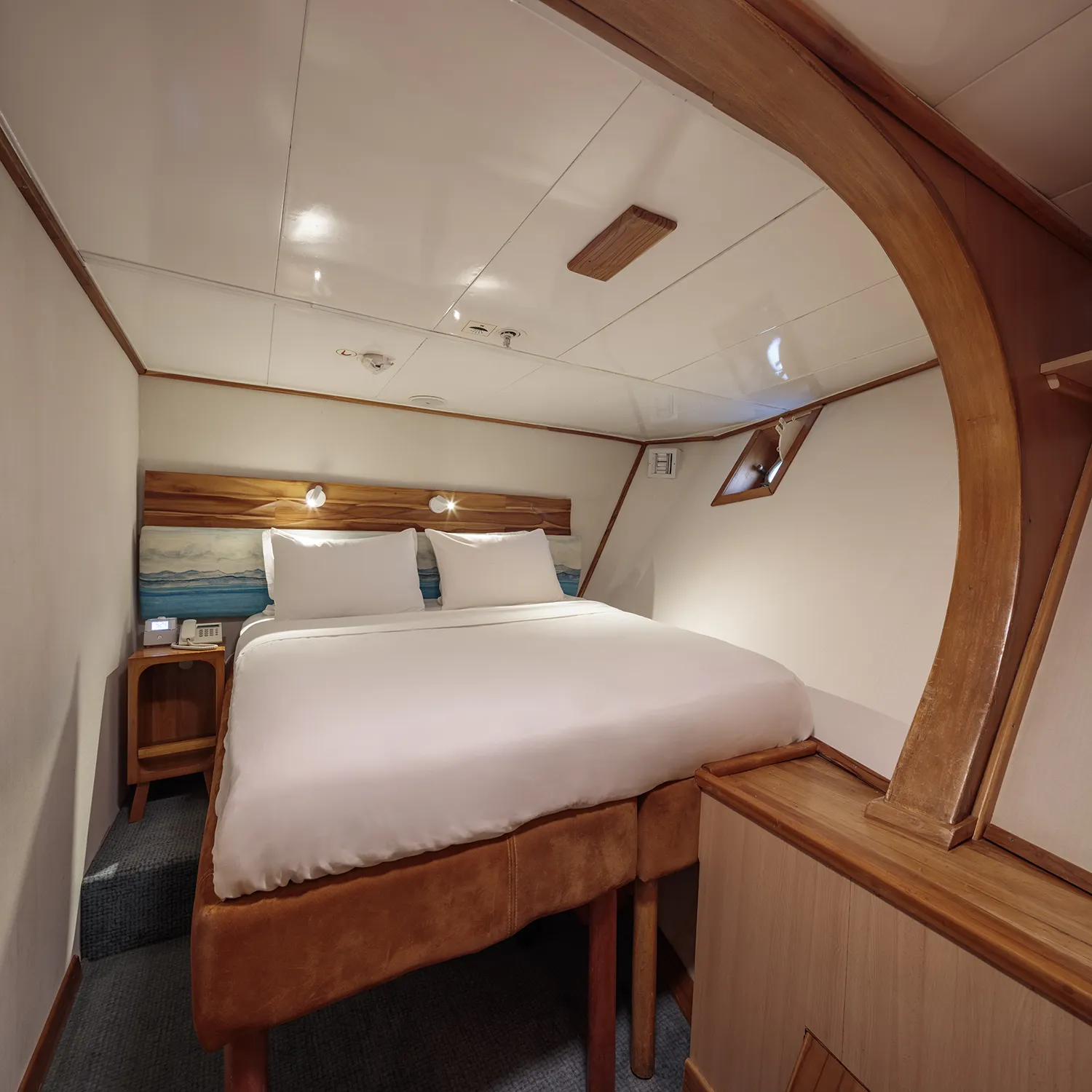
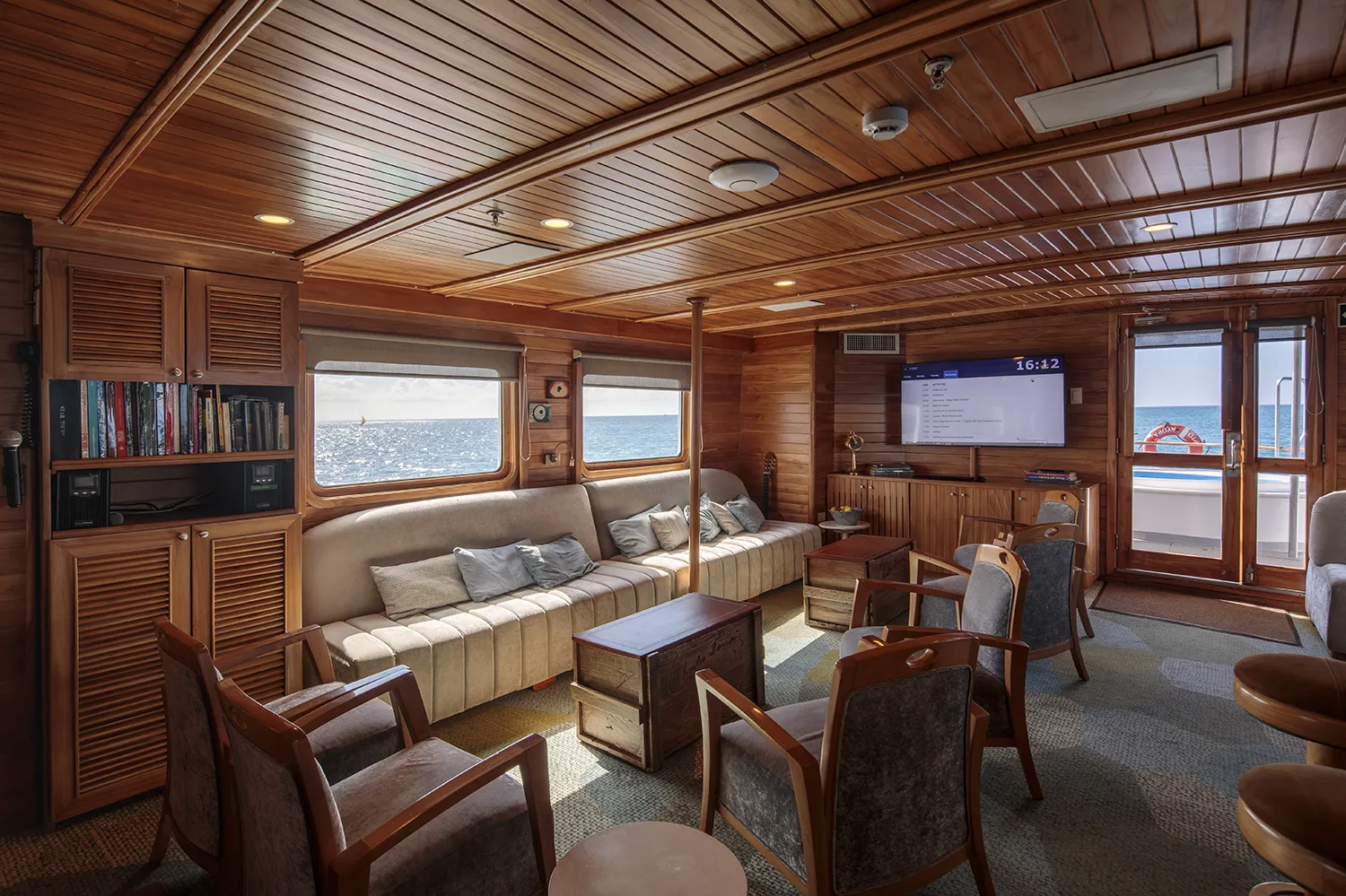
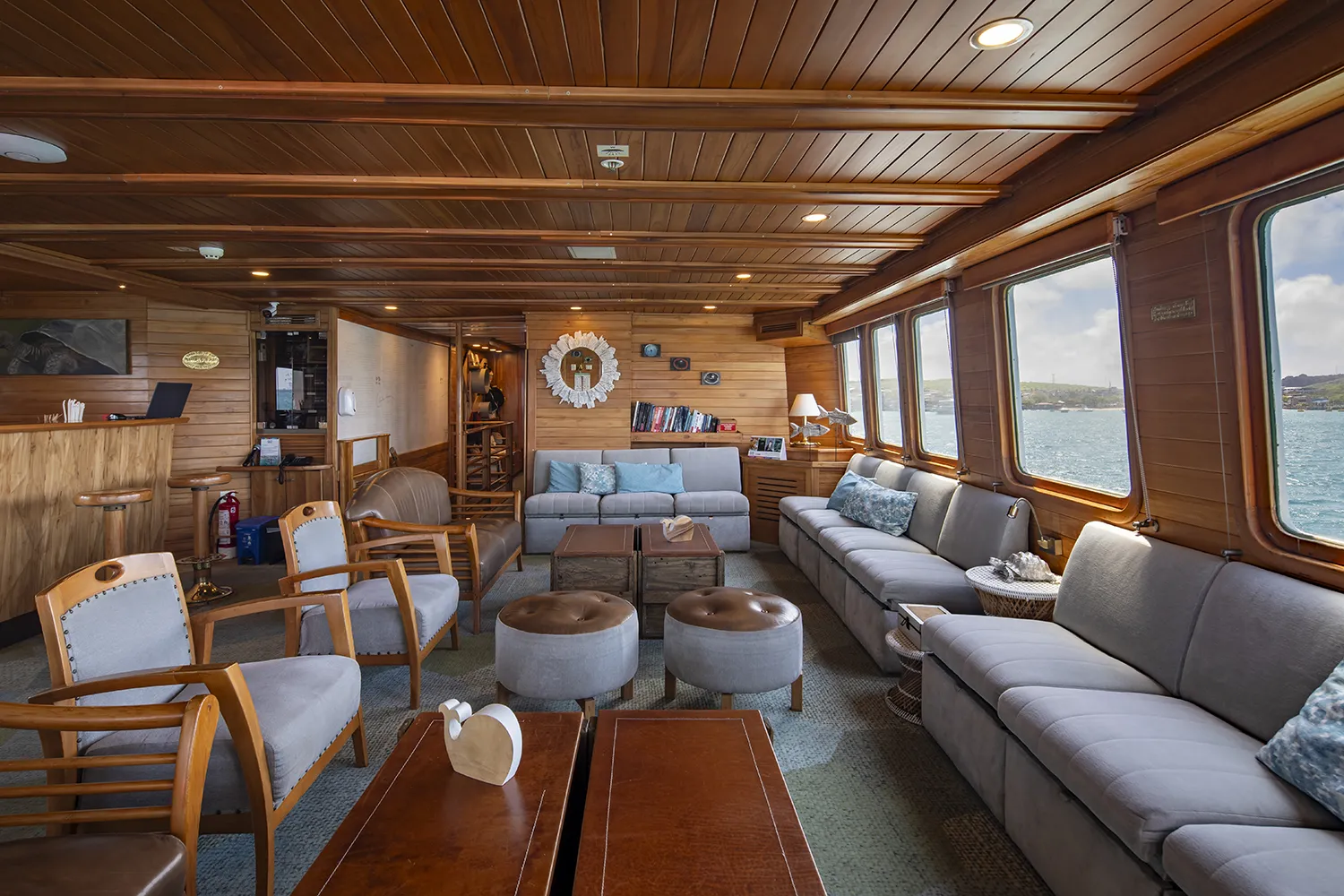
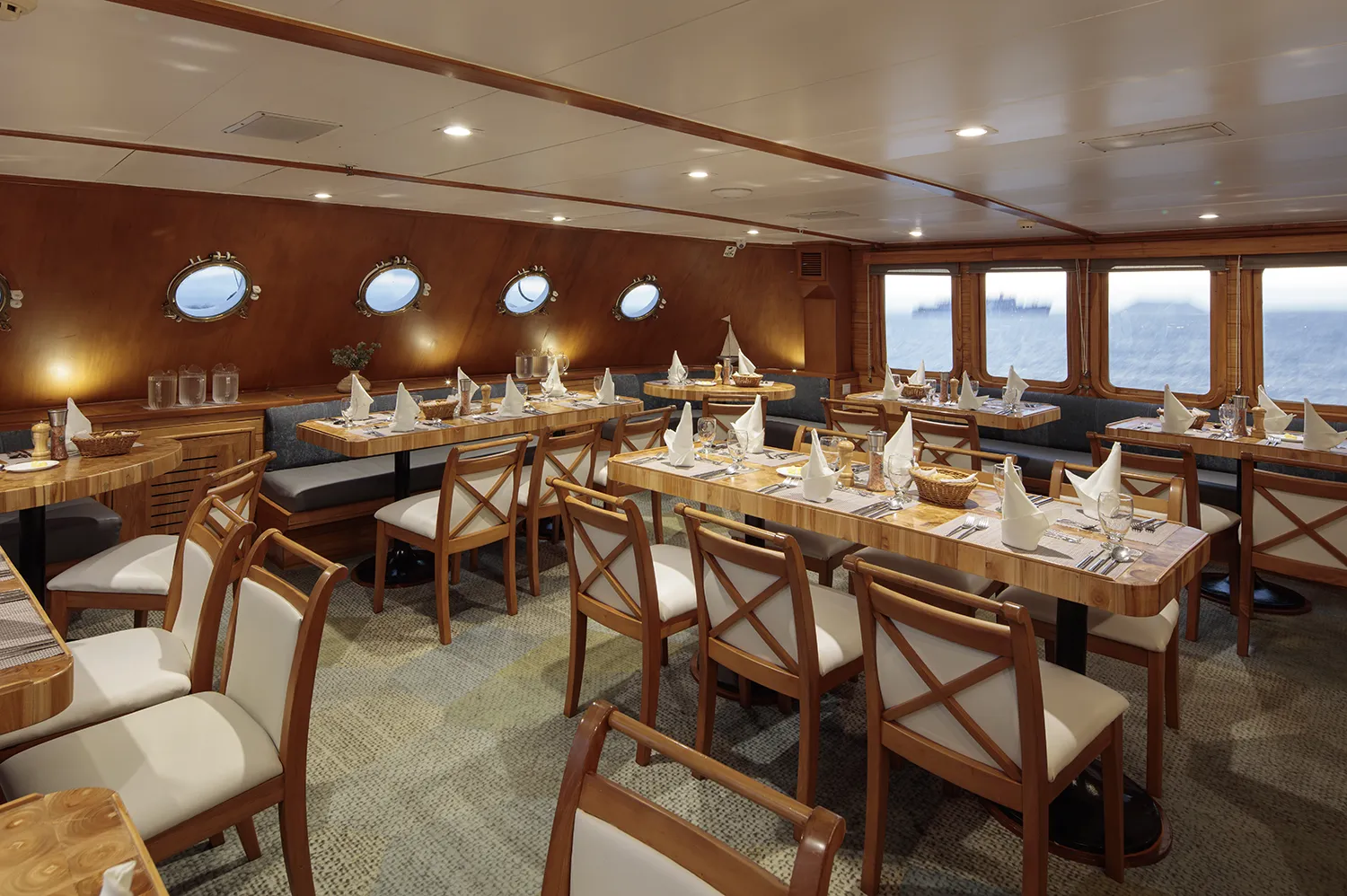
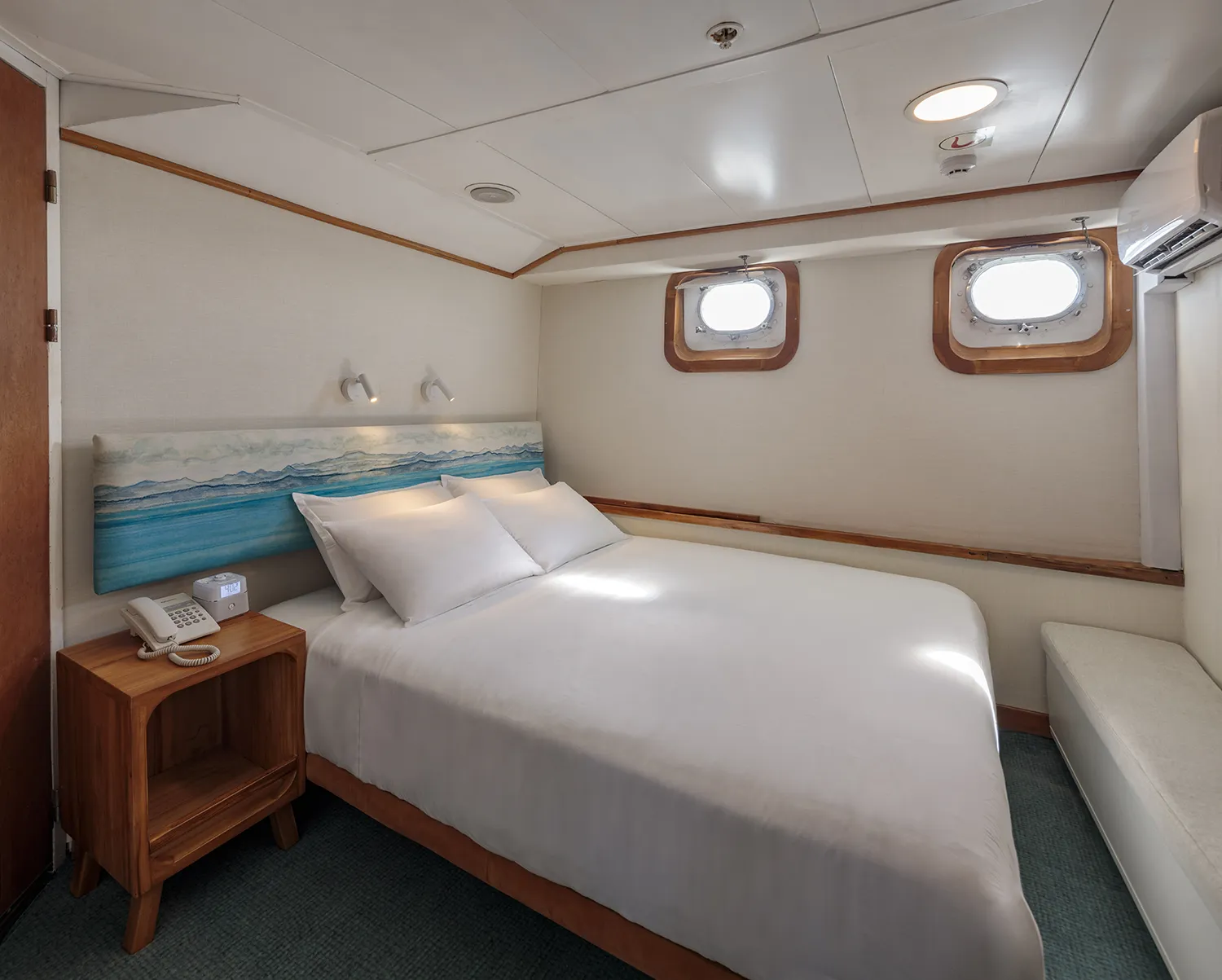
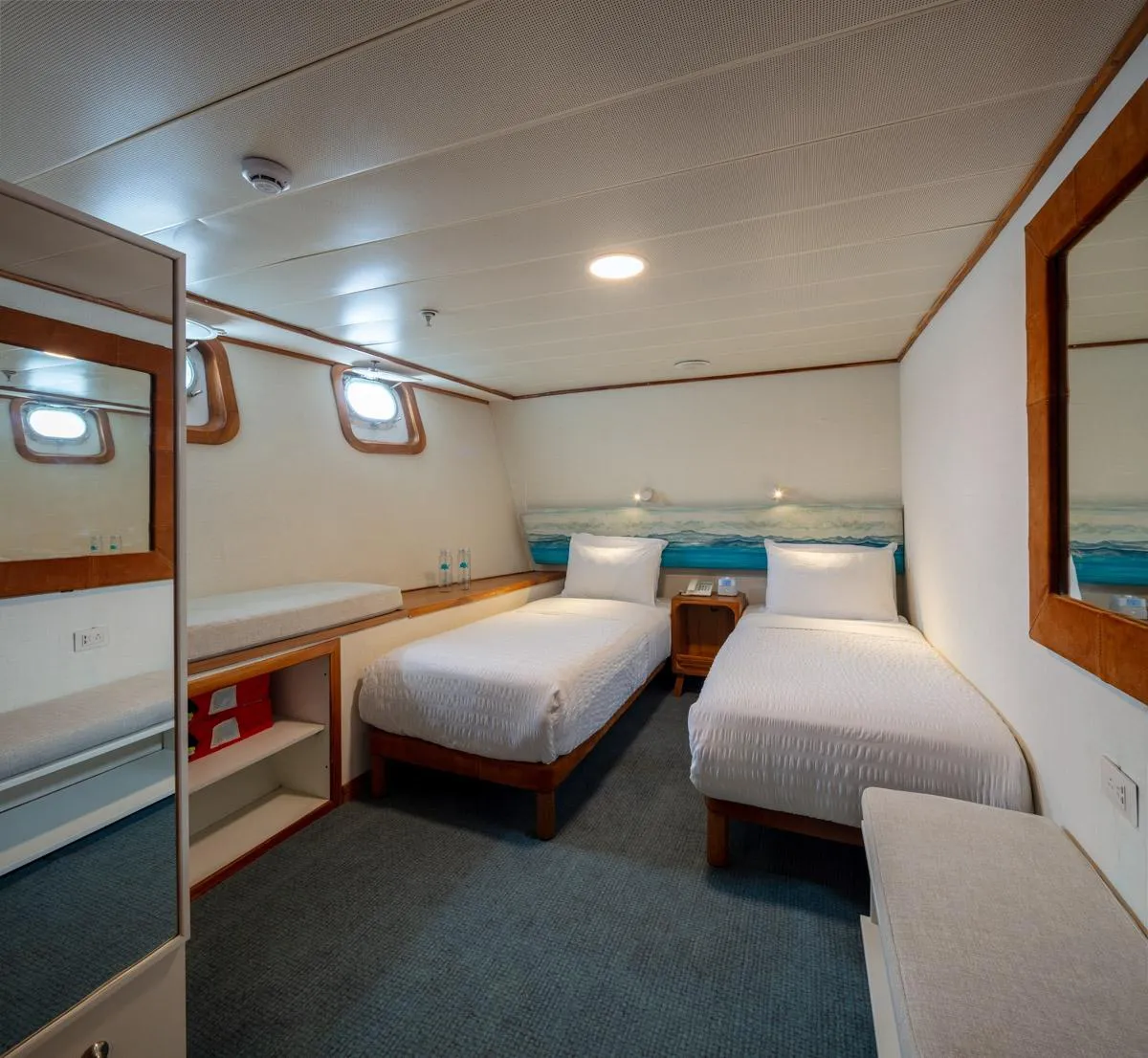
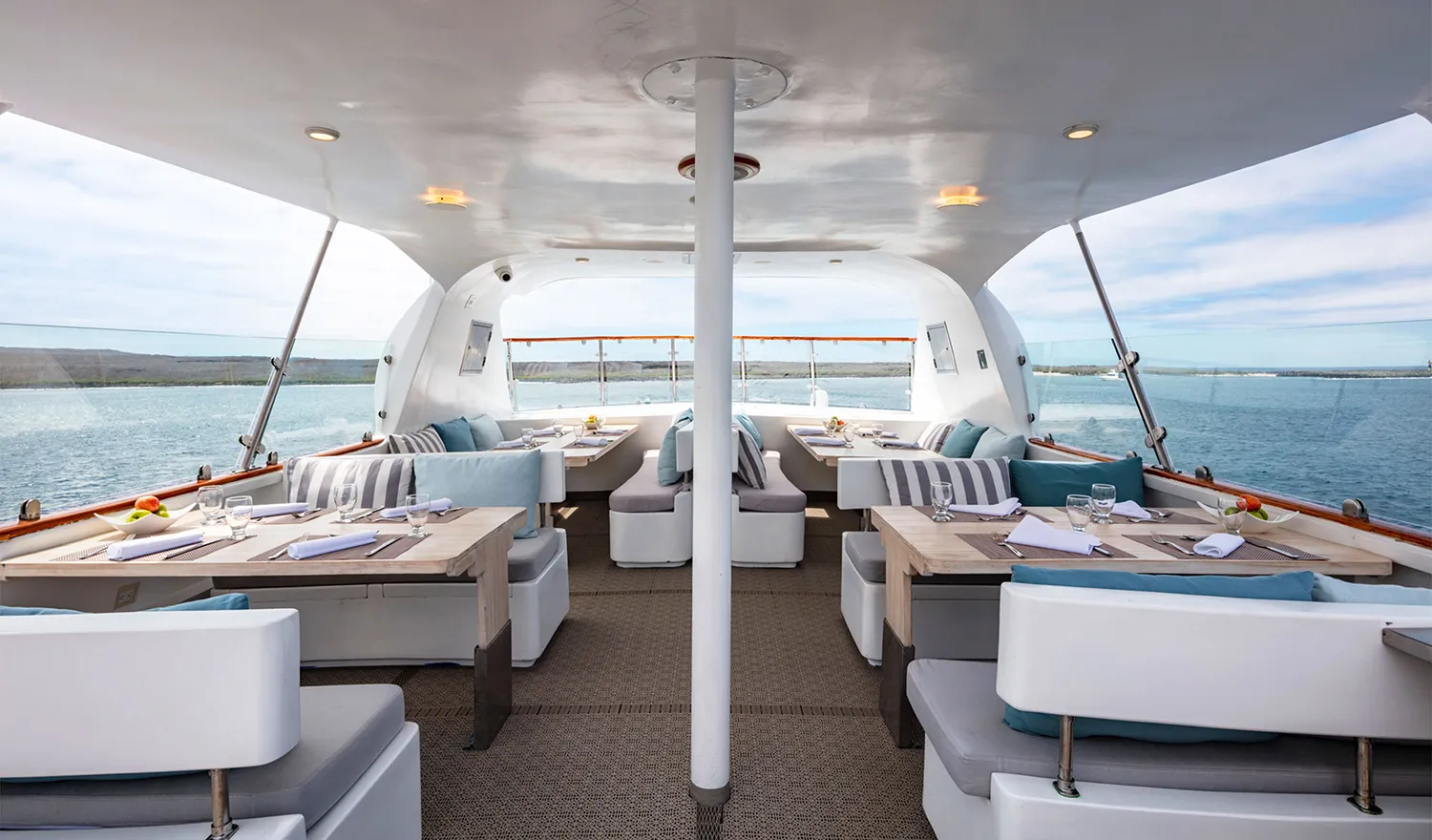
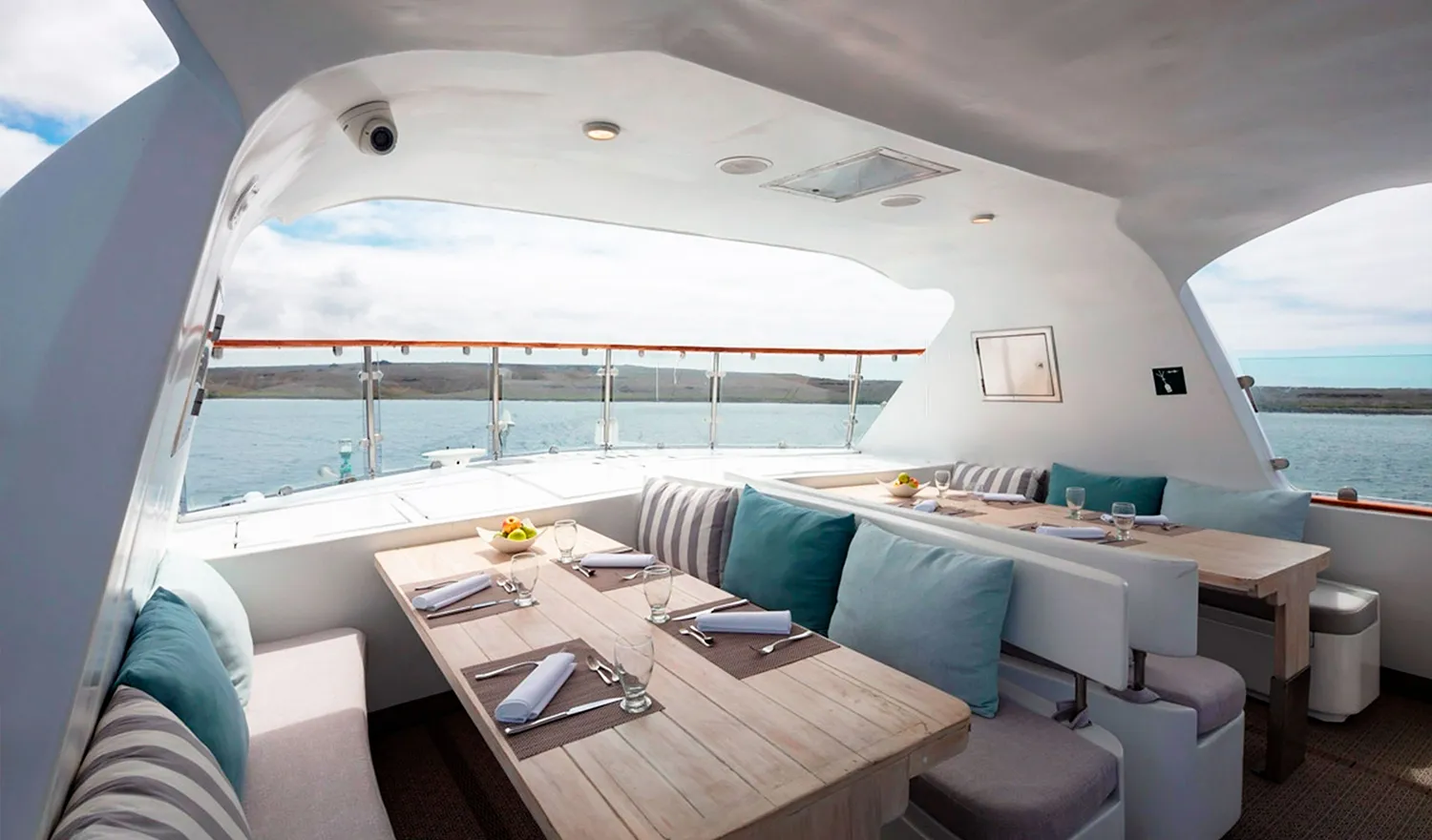
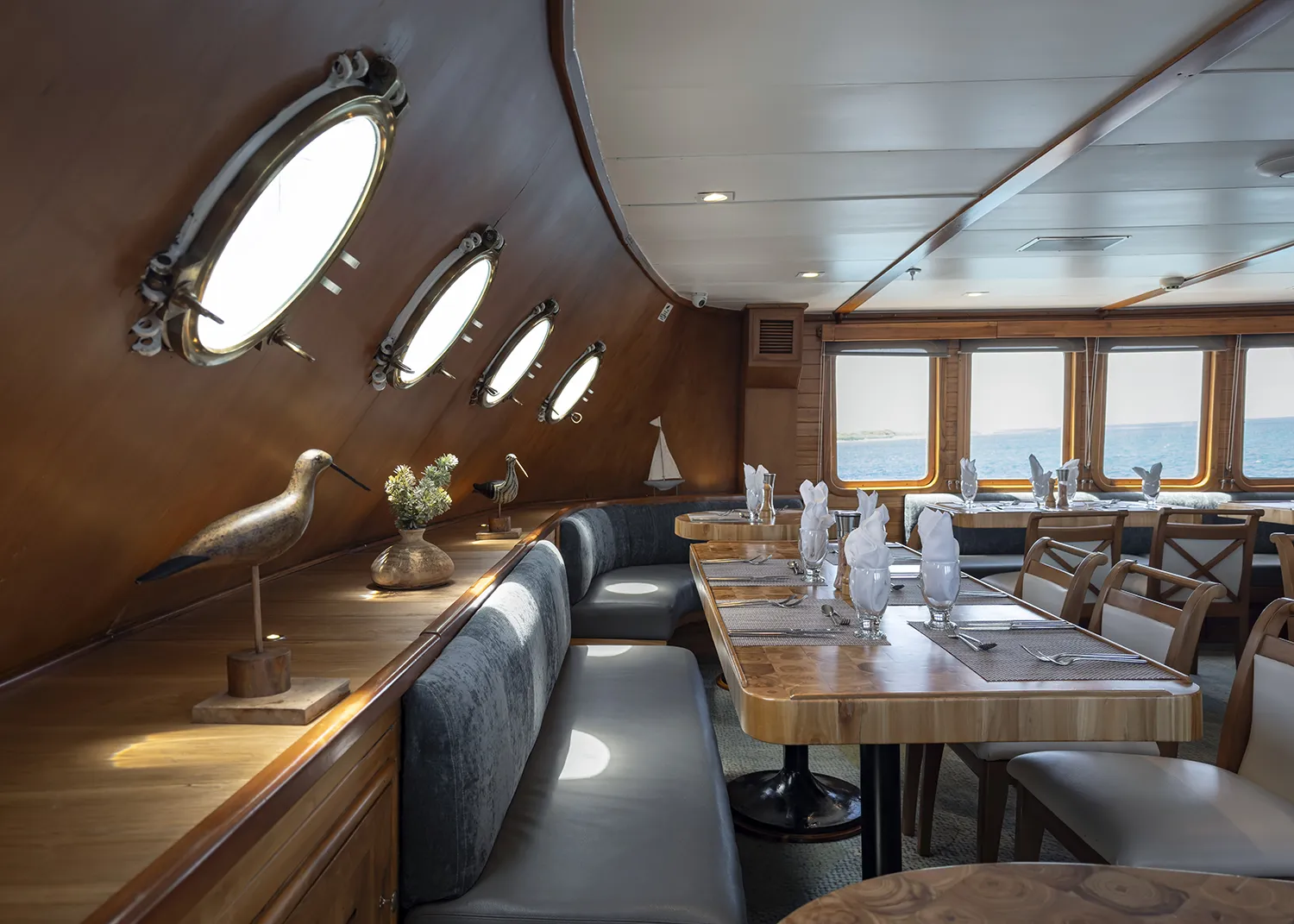
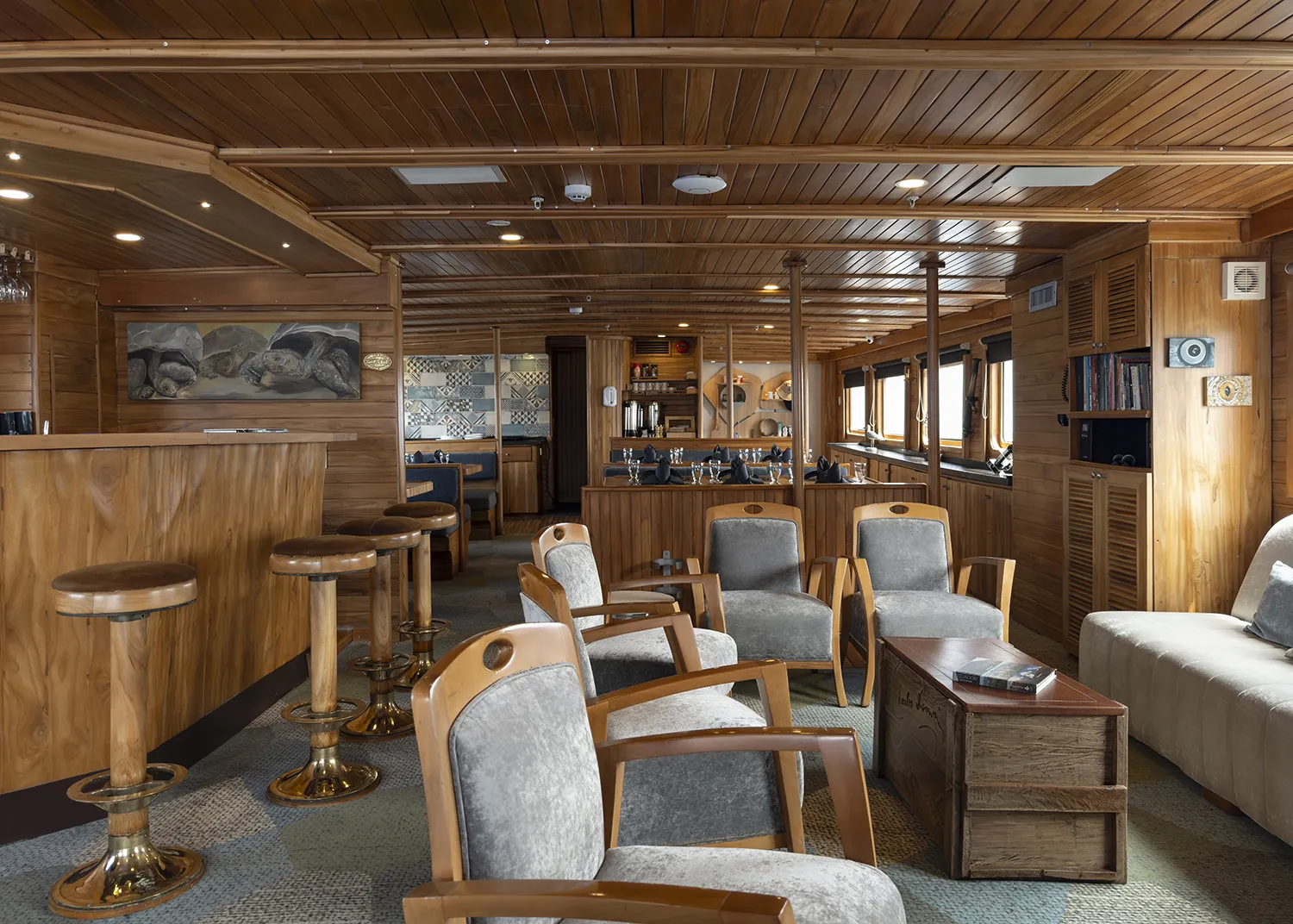
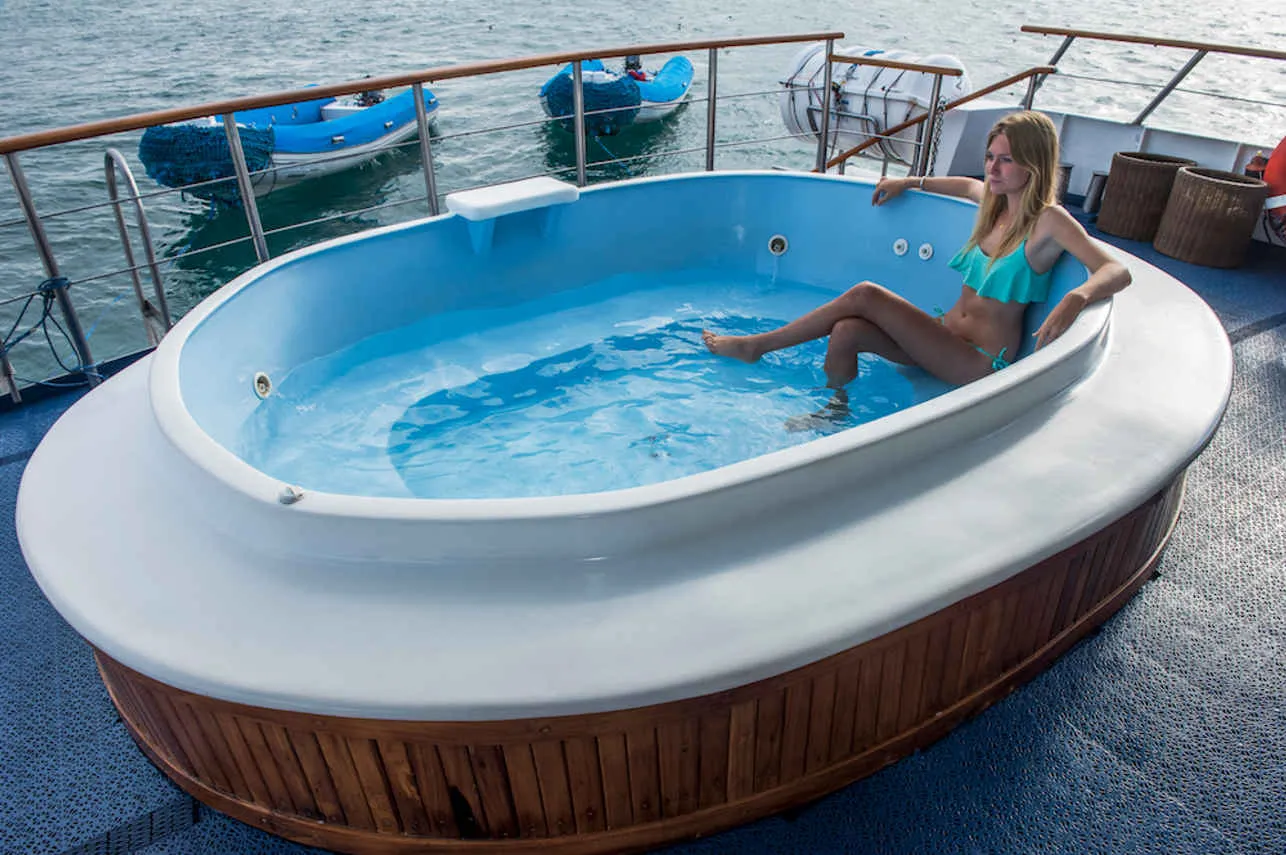
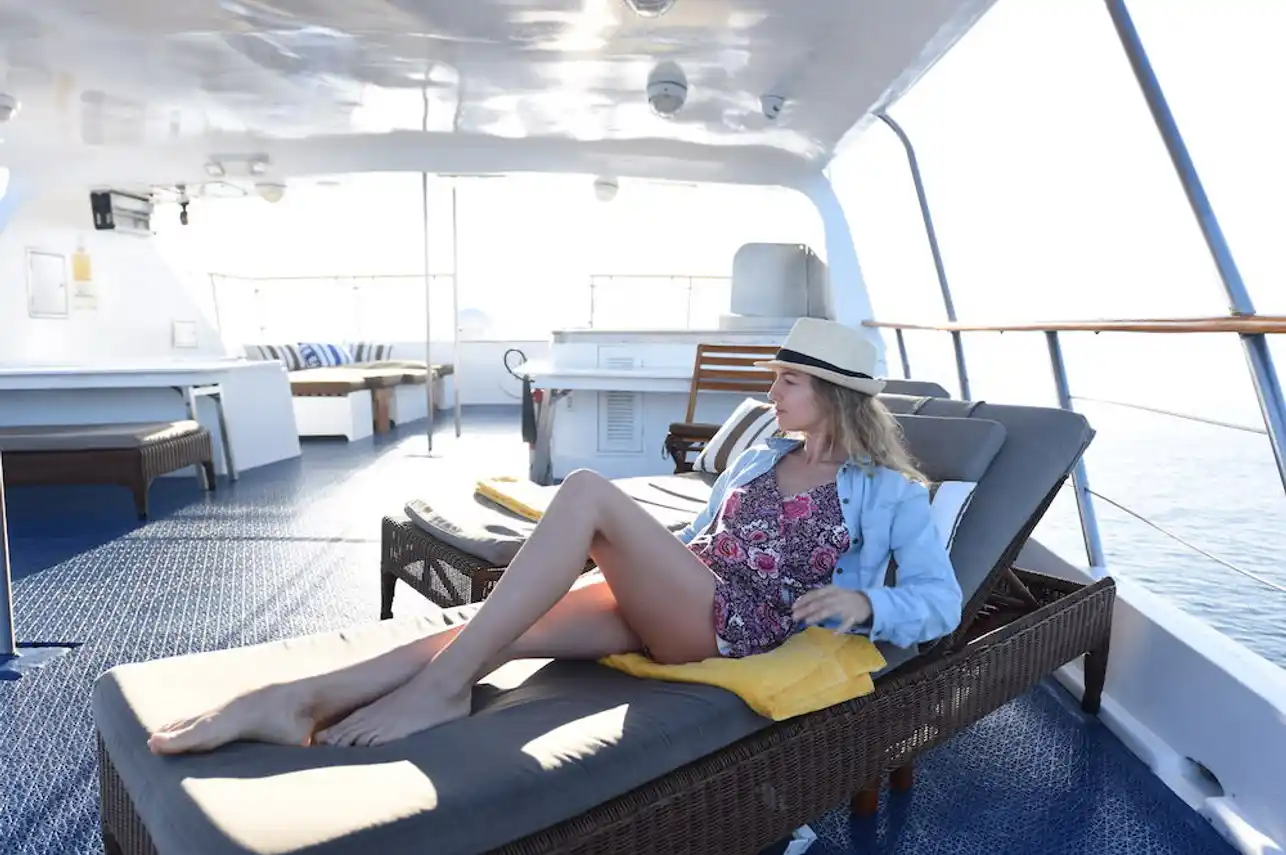
The small ship cruise vessels of the M.Y. Coral I & II each have three cabin classes. All cabins have a private bathroom, air conditioning, plenty of storage space, and modern furnishings. Junior Cabins have a picture window, and other cabins have a porthole. Interconnected cabins are available for families. Chill out on the upper Moon Deck, where you’ll find a sun terrace, BBQ area, and observatory. Alternatively, the boat has a covered terrace and an indoor lounge/bar. Pick up essentials from the onboard boutique and luxuriate in the Jacuzzi.
Itinerary
Itinerary 4D/3N A North ( Sunday - Wednesday)
Day 1: Baltra - Sta Cruz
AM: Baltra
Departure from either Quito or Guayaquil to Baltra Island is a 2 ½ hour flight. Upon arrival in the Galapagos, passengers are greeted at the airport by our knowledgeable guides who will accompany them on a short ten-minute bus ride to the pier where they will board the Coral I or Coral II.
PM: Sta Cruz: Punta Carrion
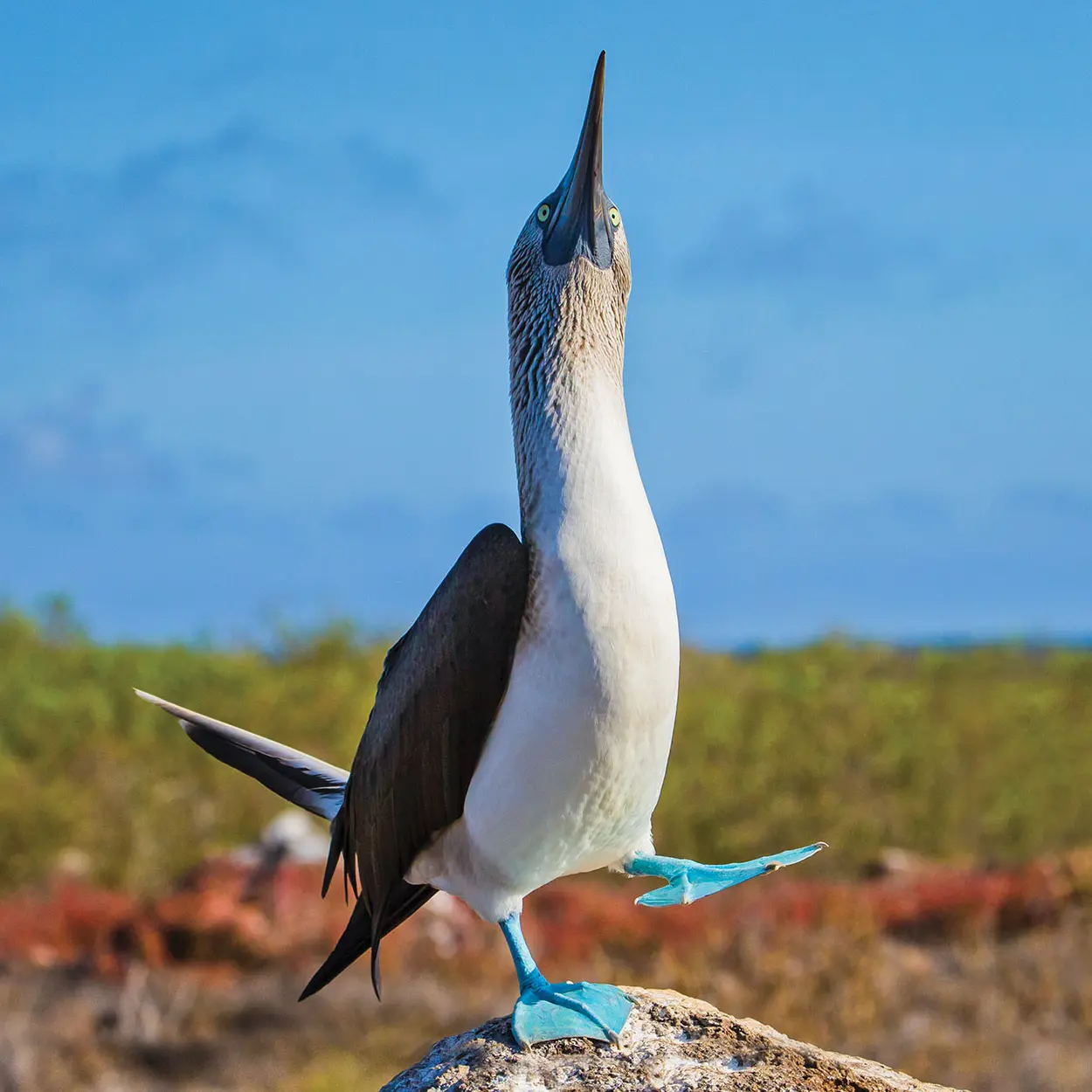
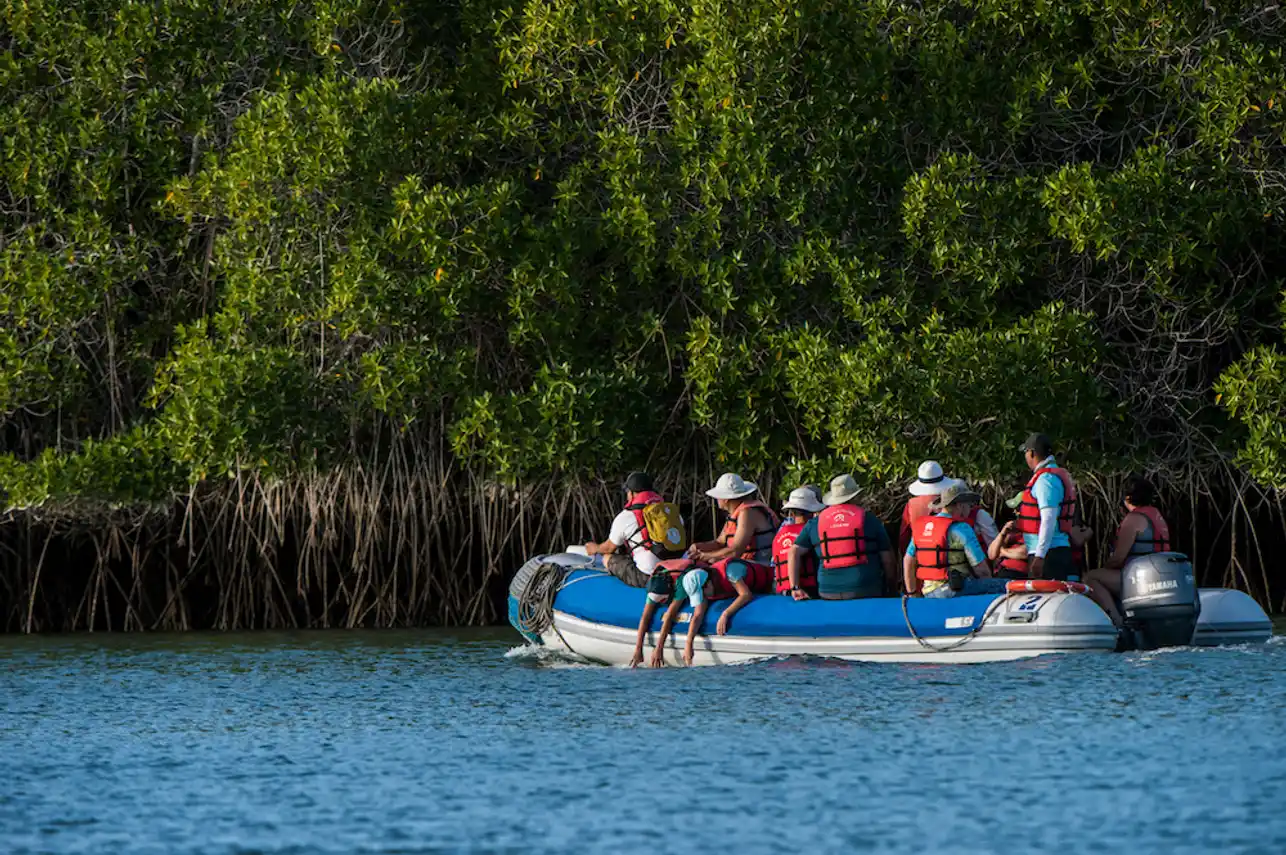
Dinghy ride at the entry of the Itabaca Channel in a lagoon with turquoise water, where we can observe sharks, blue-footed boobies, and different kinds of fish.
Day 2: Genovesa
AM: El Barranco & Prince Philip´s Steps
Be marveled at the variety of sea life that uses the crevices of the lava cliffs for shelter. Redbilled Tropicbirds fly overhead, and a small colony of fur seals may be found near the landing site. You will be dropped off at a steep stairway that begins on rocks at the foot of a path that leads through a seabird colony full of Nazca and Red-footed Boobies.
PM: Darwin Bay
From within the flooded caldera of Tower Island, we set foot onto a sandy beach to be greeted by swallow-tailed gulls often said to be the most beautiful gull in the world. In the trail we can see at nesting red-footed boobies and great frigatebirds.
Day 3: Rabida - Bartolome
AM: Rabida
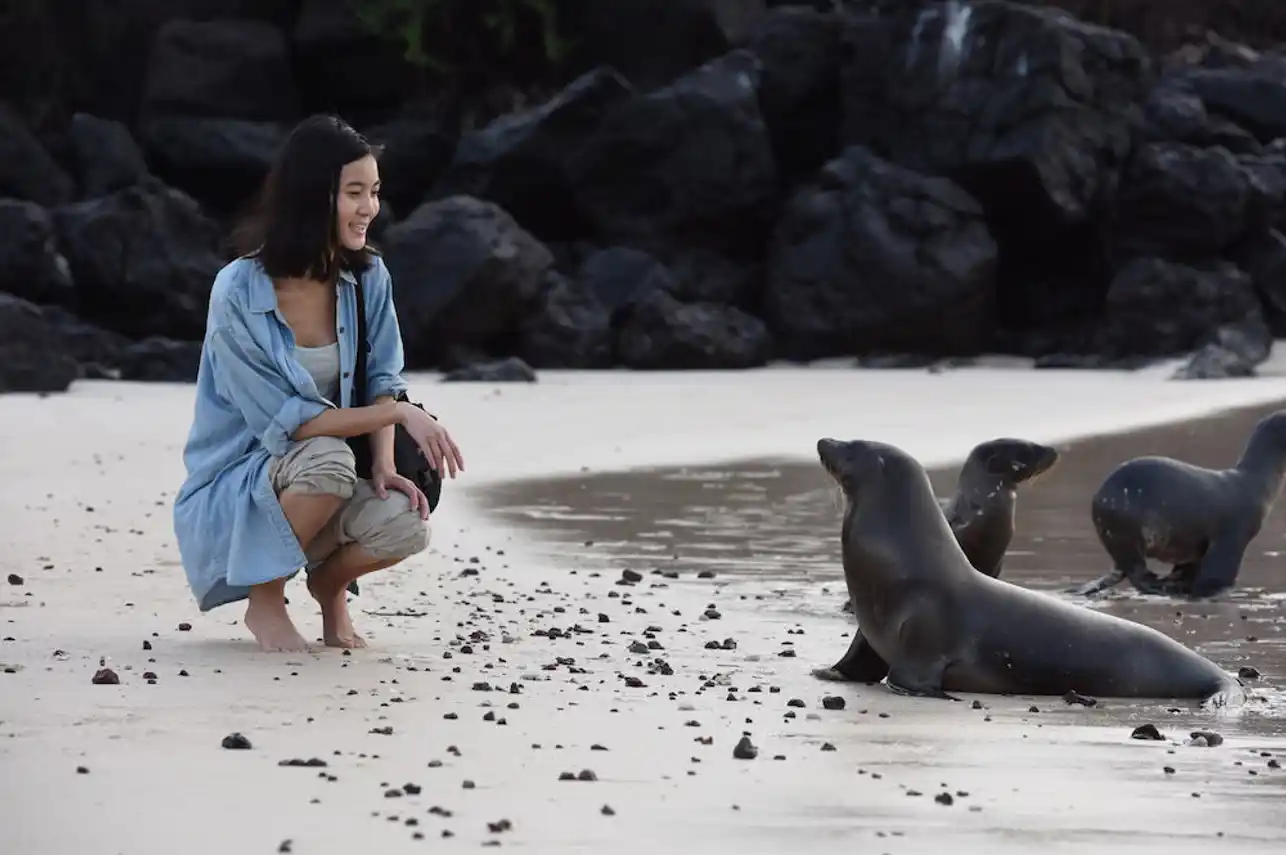
Lying at the archipelago’s heart, this dramatic island with a distinctive red-sand beach is home to sea lions, mockingbirds, finches, endemic Galapagos doves, and vermilion flycatchers. A walk takes us through a forest of palo santo and cacti to a beautiful overview of the bay.
PM: Bartolome
Considered the most iconic landscape of the entire archipelago the view from the top of Bartolome Island, overlooking the famous Pinnacle Rock and the austere Santiago Island, Our subsequent snorkel here might put us face to face with Galapagos penguins, white-tipped reef sharks, and playful sea lions.
Day 4: Sta Cruz - Baltra
AM: Sta Cruz – Highlands
In the central highlands of Santa Cruz Island, we have our best opportunity to interact at close quarters with totally wild, Galapagos giant tortoises. A short walk among these huge, 600lb, reptiles will also offer the chance for more highland species, especially several species of the famed finches.
Baltra Island Airport
After the visit, passengers will be transferred to the airport for their return flight to Guayaquil or Quito.
Itinerary 4D/3N C East (Sunday - Wednesday)
Day 1: Baltra - North Seymour
AM: Baltra
Departure from either Quito or Guayaquil to Baltra Island is a 2 ½ hour flight. Upon arrival in the Galapagos, passengers are greeted at the airport by our knowledgeable guides who will accompany them on a short tenminute bus ride to the pier where they will board the Coral I or Coral II .
PM: North Seymour
This flat, uplifting, island is an important spot to see both magnificent and great frigatebird males courting the females and, we will also likely see courting blue-footed boobies too. Sea lions, swallow-tailed gulls, crashing surf and distant views of the Daphne Islands top off a great visit.
Day 2: Sta Cruz - Mosquera Islet
AM: Sta.Cruz: Charles Darwin Research Station
Once home to the famous Lonesome George, the last tortoise of the Pinta race. The center is set in the Galapagos National Park Service where various interpretative buildings are available to visit. The grounds, with large stands of native vegetation are one of the better places to spot some of the seldom seen Darwinís finches
PM: Mosquera Islet
This tiny, low-lying islet, converted into coral sand, is set between the north and south Seymour Islands. It’s home to a group of sea lions that come to laze on the soft white sand, it’s an excellent spot to observe shorebirds, herons, lava gulls, and boobies. Snorkeling or diving here, one can often see sharks, rays, and barracudas.
Day 3: South Plaza - Santa Fe
AM: South Plaza
Sea lions, swallow-tailed gulls, and land iguanas are all present at the landing site. The small island is covered with a carpet of a red succulent studded with Opuntia cacti. At the cliff edge, we spend time watching birds like frigatebirds, flocks of Galapagos shearwaters, and of particular note, flights of displaying red-billed tropicbirds.
PM: Santa Fe
After a fabulous snorkel in the turquoise waters of the protected bay, we may have enjoyed time with sea lions, turtles, reef sharks and spotted eagle rays. Landing on a sandy beach, we spend time watching the abundant sea lions there with us and . We begin a walk past a forest of island-endemic giant Opuntia cacti and we can watch the Santa Fe land Iguana
Day 4: Lobos - San Cristobal
AM: Lobos
Isla Lobos is approximately 20 minutes by boat from Puerto Baquerizo Moreno. Once on the island, the trail is about 850 meters and there will be rocky trails and a nice & easy sand trail too. There is a small population of blue-footed boobies and great frigatebirds nests at this site.
San Cristobal Airport
After the visit, passengers will be transferred to the airport for their return flight to Guayaquil or Quito.
Itinerary 5D/4N B West (Wednesday - Sunday)
Day 1: Baltra - Sta. Cruz
AM: Baltra
Departure from either Quito or Guayaquil to Baltra Island is a 2 ½ hour flight. Upon arrival in the Galapagos, passengers are greeted at the airport by our knowledgeable guides who will accompany them on a short ten-minute bus ride to the pier where they will board the Coral I or Coral II
PM: Sta.Cruz: Black Turtle Cove
Here we can find four species of mangrove in the extensive tidal lagoon system that stretches for almost a mile inland. During our panga ride through the labyrinth we will spot many turtles, herons of several species, sharks and rays. The experience is otherworldly and seems to transport us back to the beginning of time.
Day 2: Isabela - Fernandina
AM: Isabela : Punta Vicente Roca
Spectacular site, surrounded by immense cliffs of an eroded volcano. Studded with resting seabirds like brown noddies and Nazca boobies. Superb snorkeling with unique fish species. Swim with penguins and green turtles.
PM: Fernandina: Punta Espinosa
Pristine Fernandina, the marine iguana capital. Its desolate volcanic backdrop hosts a massive concentration of these enigmatic reptiles. Surprisingly, Galapagos penguins share the same shoreline. Snorkeling offers an exciting opportunity to witness marine iguanas feeding underwater, alongside penguins, turtles, and unique flightless cormorants.
Day 3: Isabela
AM: Urbina Bay
At the far end of a long level hike, we arrive at a strange phenomenon where large blocks of coral lie completely exposed after a dramatic geological uplift in 1954. Located at the western base of Alcedo Volcano, we hope to run into a few impressive land iguanas and some volcanoes endemic to Galapagos giant tortoises during the wet season
PM: Tagus Cove
Tagus Cove, a historic pirate hideout and anchorage. Visited by Charles Darwin and the HMS Beagle in 1835. Hike past Darwin Lake and stunning volcanic landscape, revealing Isabela island’s dramatic northern volcanoes. Snorkel along a submerged wall with turtles, fish, penguins, and flightless cormorants. Enjoy a panga ride or kayak for added excitement!
Day 4: Santiago
AM: Egas Port
The black volcanic sand sets this landing apart from most, it’s best known for the dramatic shoreline where we meet a host of species that chose to live between land and sea. Among these are the endemic Galapagos fur seals, which maintain a small colony at the end of our walk.
PM: Sullivan Bay
It has an extensive features relative to young pa-hoe-hoe lava flows formed during the last quarter of the 19th century. In the middle of the lava flow, older reddish-yellow-colored tuff cones appear. Mollugo plants with their yellow-to-orange whorled leaves usually grow out of the fissures. Walking on solidified lava gives the impression of being on another planet.
Day 5: Sta. Cruz - Baltra
AM: Sta. Cruz: Highland
In the central highlands of Santa Cruz Island, we have our best opportunity to interact at close quarters with totally wild, Galapagos giant tortoises. A short walk among these huge, 600lb, reptiles will also offer the chance for more highland species, especially several species of the famed finches.
Baltra Island Airport
After the visit, passengers will be transferred to the airport for their return flight to Guayaquil or Quito.
Itinerary 5D/4N C South (Wednesday - Sunday)
Day 1: San Cristobal -
AM: San Cristobal
Departure from either Quito or Guayaquil to San Cristobal Island is a 2 ½ hour flight. Upon arrival in the Galapagos, passengers are greeted at the airport by our knowledgeable guides who will accompany them on a short ten-minute bus ride to the pier where they will board the Coral I or Coral II
PM:Interpretation Center & Frigatebird Hill
The interpretation center is full of interesting information and offers the perfect overview of the formation of the Galapagos. Following a hike to Frigatebird Hill (Cerro Tijeretas) we will have a great look at both species of frigatebirds, with the bonus of a beautiful view of the bay below.
Day 2: San Cristobal
AM: Kicker Rock & Cerro Brujo
Kicker Rock : This ancient and eroded volcanic tuff lava named Leon Dormido or Kicker Rock, is formed from two rocks approximately 148 m, named for its resemblance to a sleeping lion.
Cerro Brujo: From our dinghy ride, as we head to shore, we are first humbled by the immensity of the stunning cliffs of the Sorcerer’s Hill. You can enjoy simply sharing the beach with sea lions, snorkelling from shore, or taking a walk to a hidden lagoon
PM: Punta Pitt
This is the only place on the islands where we will enjoy the chance to see all three of the booby species in the same place. The redfoots will be perched on the Cordia lutea and small trees, the Nazca´s on the ground near the cliff edge while the blue-foots will be a little further inland. Frigatebirds will be all around and the views are breathtaking.
Day 3: Española
AM: Punta Suarez
Punta Suarez is a naturalist´s paradise. The oldes extant island in the archipelago is our only opportunity to commune with the endemic wave albatross during their breeding season between April and December. With luck, we can watch their complex courtship display.
PM: Gardner Bay
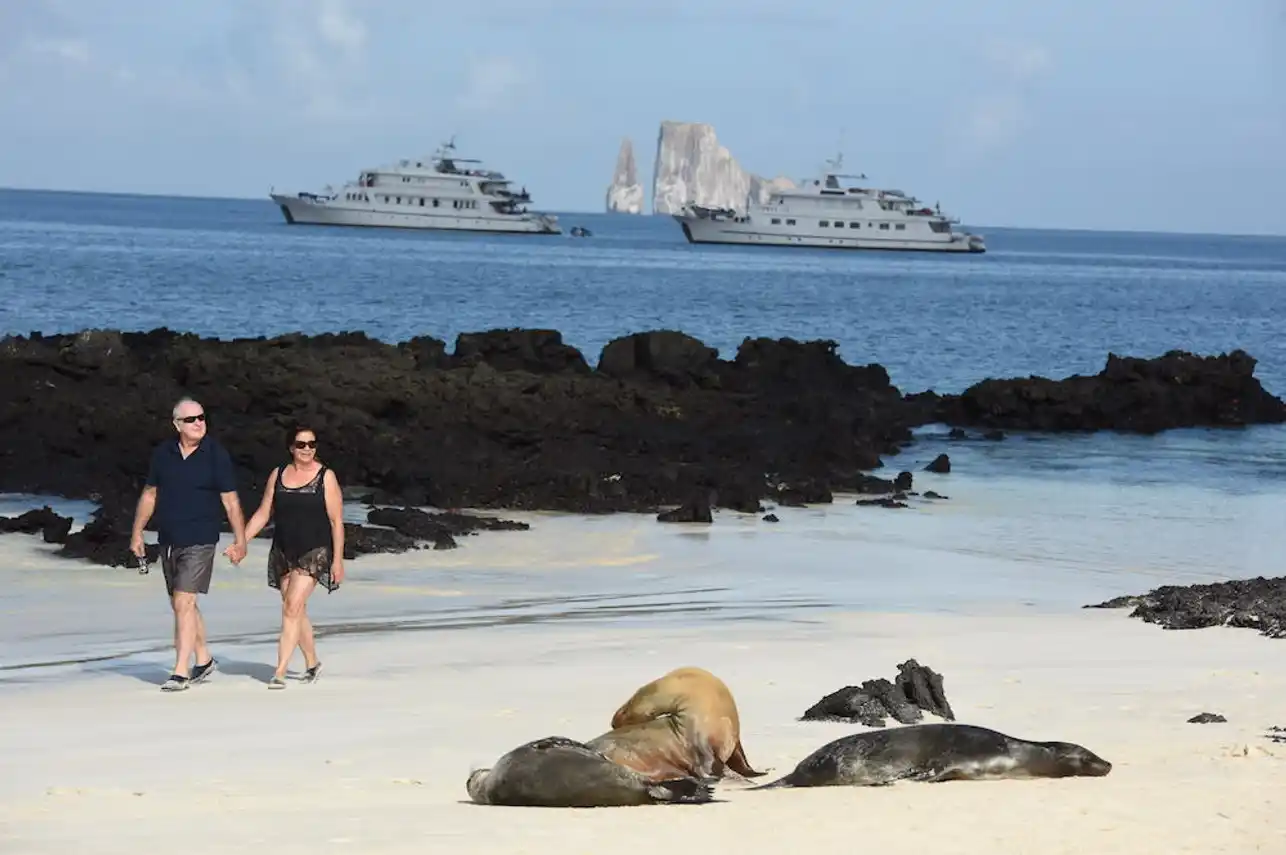
One of the most stunning beaches in all of the Galapagos. The long, white, sandy beach, lapped by turquoise waters, home to a colony of Galapagos sea lions. Hood mockingbirds, endemic to this particular island. We can also snorkel here from the beach, in the shallows of the bay
Day 4: Floreana
AM: Cormoran or Champion
Our walk takes us to a large, shallow lagoon, often inhabited by a variable number of shockingly pink greater flamingos. We arrive at a powdery white beach, a nesting area for green turtles.
PM: Post Office
The famous Post Office Barrel. Claimed to have been first set up in 1793 by Captain James Colnett. The system involved whalers and fur sealers would leave addressed letters in the barrel to be picked up by homeward-bound colleagues. Actually visitors often take letters and hand-deliver them to their home countries
Day 5: Sta. Cruz - Baltra
AM: Sta.Cruz: Highlands
Dry landing. In the Galapagos mountains, admire diverse bird species like finches, flycatchers, crakes, warblers, and egrets (often perched on tortoises’ shells). The journey to the reserve showcases the island’s contrasting ecosystems, from coastal areas to dense humid forests. Look out for Galapagos Giant tortoises wandering through pastures. This spot is a haven for birdwatchers, as it hosts a wide range of land birds that reside or migrate here.
Baltra Island Airport
After the visit, passengers will be transferred to the airport for their return flight to Guayaquil or Quito.
Explore the
place you stay
- Category: First Class Motor Yachts
- Capacity: 36 passengers/ 20 passengers
- Length: 131 ft.
- Beam: 28 ft.
- Speed: 10 knots
- Crew: 10 + 3 naturalist guides
- Facilities: 18 double cabins with private bath and hot shower, sun deck, restaurant, lounge, social areas, bar, TV and VCR room, stereo, boutique, Jacuzzi.
Dates & Rates
To request a quote or make a reservation let's start with your details...*
What's Included
- Accommodation as confirmed.
- All mentioned meals (full-board); filtered water, tea and coffee.
- All guided excursions and activities as mentioned in the itinerary by a National Park certified naturalist guide.
- Beach towels and snorkelling gear (snorkel, mask, flippers; optional wet-suits for hire).
What's Not Included
- Round-trip flight to the Galapagos.
- Soft and alcoholic drinks.
- Galapagos National Park entrance fee ($200 subject to change) and Transit Control Card ($20 subject to change).
- Personal travel insurance.
- Personal expenses, extras and tipping.
Get in touch with us
Explore more of
First Class Boats
Galapagos First-Class boat cruises offer a high level of comfort and service, providing spacious cabins, elegant common areas, and gourmet dining. These vessels typically feature attentive staff, expert naturalist guides, and well-designed itineraries that maximize wildlife encounters and exploration. Expect a more intimate and luxurious experience, balancing immersive adventure with exceptional amenities for a truly memorable journey through the archipelago.